Lane Furniture
Lane Furniture is one of America's most iconic mid-century modern manufacturers — built on a legacy of cedar chests and elevated by groundbreaking collections like Acclaim, Staccato, Perception, and Rhythm. Founded in 1912 in Altavista, Virginia, Lane brought world-class design and solid American walnut construction to households across the country. Today, Lane pieces rank among the most collected and recognized vintage furniture in the world.
Company History
John Edward Lane founded Lane Furniture in 1912 in Altavista, Virginia — a small Piedmont town that would become synonymous with American furniture manufacturing. The company earned its early reputation through cedar hope chests, which became a cultural tradition — given as gifts for weddings, graduations, and milestones across America for decades.
By the late 1950s, Lane recognized the cultural shift toward modernism and made a bold pivot. The company invested in designer collaborations and launched a series of contemporary collections that would redefine its identity. The Acclaim collection, designed by André Bus and launched in 1960, became an overnight sensation — its distinctive dovetail inlays making it one of the most recognizable furniture designs of the 20th century.
""Lane's Acclaim collection proved that great American furniture design could live in every home — not just museums and penthouses."
— Mod City Mad
The Iconic Collections
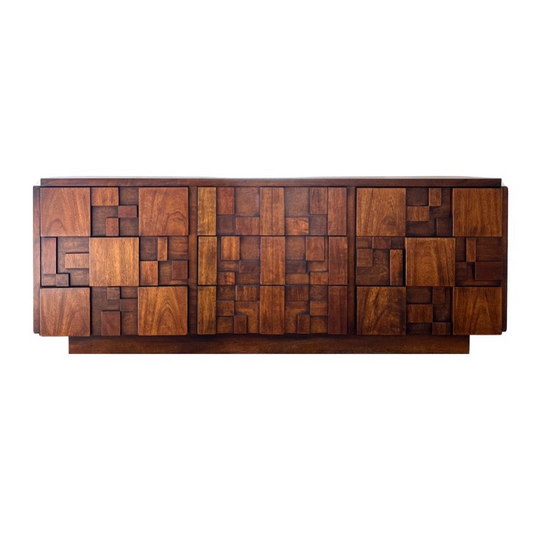
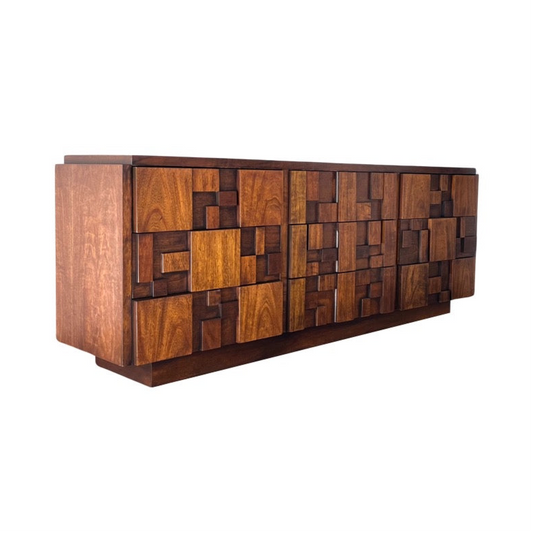
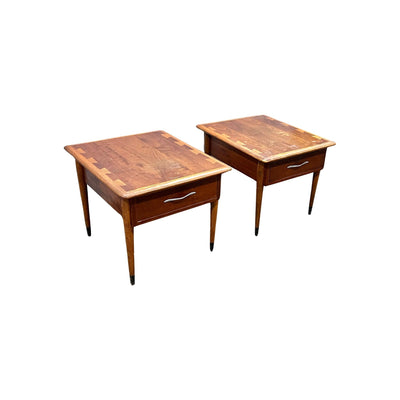
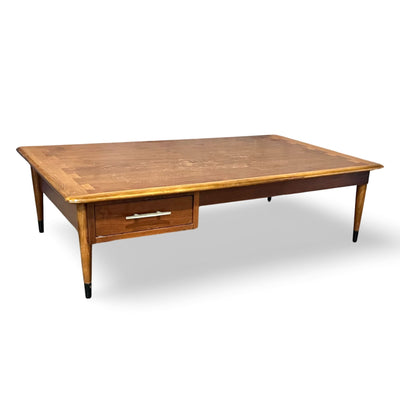
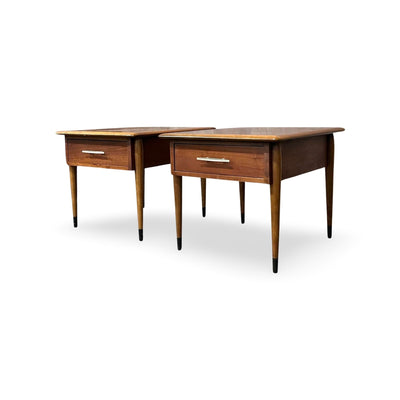
Acclaim (1960–1970) — Designed by André Bus, the Acclaim collection is Lane's crown jewel. Its signature dovetail inlay — contrasting walnut and ash in geometric patterns on drawer fronts — is one of the most recognized motifs in mid-century furniture. The collection included credenzas, coffee tables, end tables, dressers, and dining pieces. Acclaim credenzas command $2,500–$5,500+ on the secondary market, with complete sets reaching even higher.
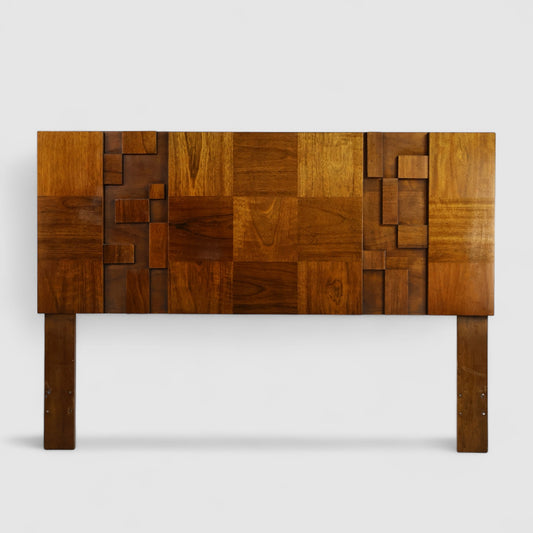
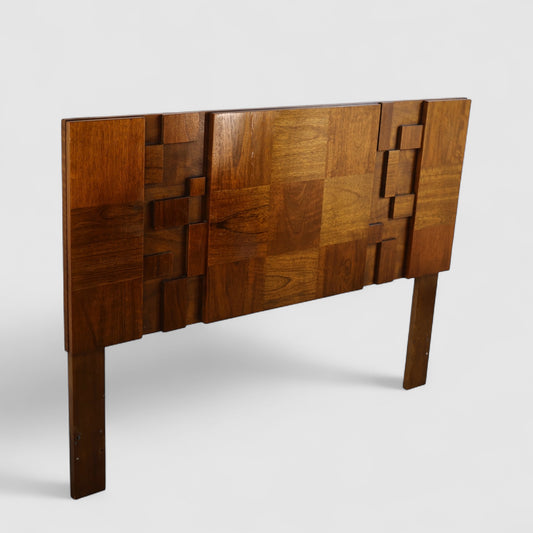
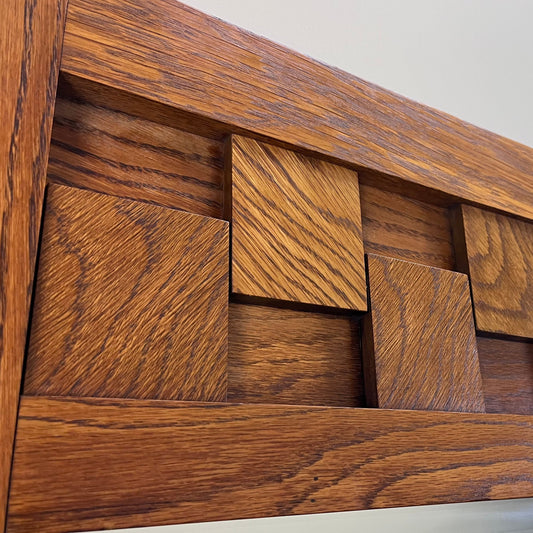
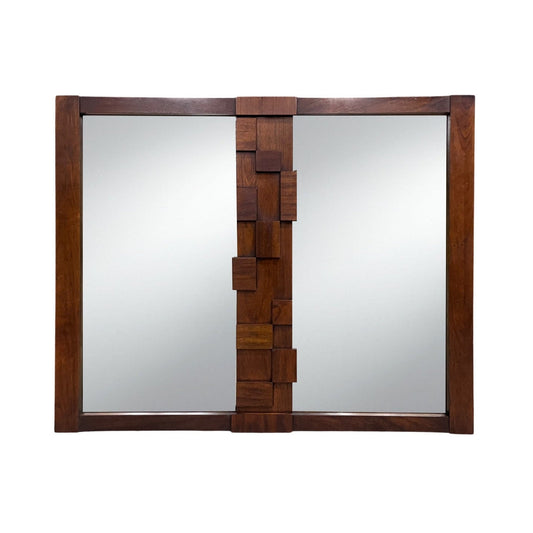
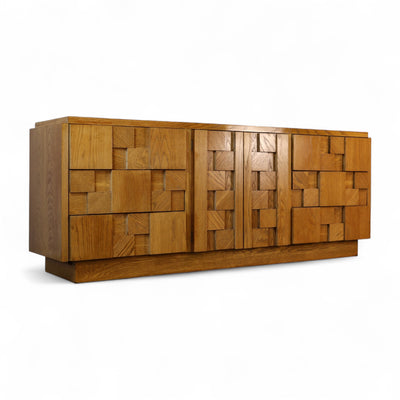
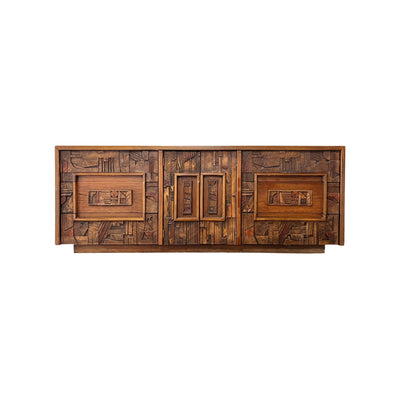
Staccato (1962–1968) — Distinguished by geometric woven cane or rattan panels set within solid walnut frames, Staccato brought textural sophistication to mid-century case goods. The rhythmic grid pattern on cabinet fronts gives the line its musical name. Staccato credenzas and sideboards are increasingly sought after, typically ranging $1,500–$3,800.
Perception (1961–1967) — Lane's most Danish-influenced line, featuring clean horizontal lines, minimal hardware, and a lighter visual footprint. Perception pieces lean toward Scandinavian restraint while maintaining Lane's characteristic solidity. Case goods and dining pieces from Perception typically range $800–$2,800.
Rhythm (1963–1968) — Where Perception was linear, Rhythm embraced curves. Sculpted legs, undulating drawer fronts, and flowing profiles define this collection. Rhythm pieces offer a more organic mid-century aesthetic and typically range $900–$3,200.
Cedar Hope Chests — Lane's founding product and an American institution. Aromatic cedar-lined interiors, walnut veneer exteriors, and brass hardware made these functional pieces beloved across generations. Vintage Lane cedar chests in excellent condition range $300–$1,200 depending on era, style, and finish.
Design Signatures & Materials
Lane built primarily in American walnut — both solid and veneered — prized for its rich color, tight grain, and durability. The Acclaim line's dovetail inlay technique, using contrasting ash and walnut fitted into geometric patterns, required specialized tooling and skilled hand assembly. This hallmark detail is virtually impossible to replicate without Lane's original equipment.
Construction across all Lane collections is consistently excellent: dovetail drawer joints, solid wood drawer bottoms, center-guided drawers, and mortise-and-tenon case joinery. Hardware varies by collection — from Acclaim's recessed pulls to Staccato's minimal bar handles — but quality is uniformly high. Original finishes range from warm honey-toned lacquer to deeper walnut stains, and most have aged gracefully over six decades.
Collecting & Authentication
Lane pieces are among the easiest vintage furniture to authenticate. Look for the branded Lane stamp on the back panel, inside drawers, or on the underside. Lane stamps typically include a serial number and a date code — a unique feature that allows you to determine the exact date of manufacture. The date code reads as a five- or six-digit number, decoded by reading the digits in a specific sequence (middle two, first two, last two = month, day, year).
Condition factors that affect value: original finish integrity, hardware completeness, dovetail inlay condition (on Acclaim), veneer condition, and drawer function. A complete Acclaim credenza with original finish and intact inlays in excellent condition commands $3,000–$5,500+. As-is pieces with cosmetic wear but solid structure are ideal for buyers who plan to use our professional restoration services.
Frequently Asked Questions
How do I identify authentic Lane furniture?
Look for the branded Lane stamp on the back panel, inside drawers, or on the underside. Lane stamps include a serial number and a unique date code that reveals the exact manufacturing date. On Acclaim pieces, the distinctive dovetail inlays — contrasting walnut and ash in geometric patterns — are a reliable visual identifier that's nearly impossible to replicate without original tooling. Construction details like dovetail drawer joints and solid wood bottoms also confirm Lane provenance.
What is Lane Acclaim furniture worth?
Acclaim is Lane's most valuable collection. Complete credenzas in excellent original condition sell for $3,000–$5,500+ through specialist dealers. Coffee tables range $800–$2,200, end tables $400–$1,000 each, six-drawer dressers $1,500–$3,500, and dining sets $2,000–$4,500. Professionally restored examples with documented provenance command premiums. Sets and matched pairs are worth more than individual pieces.
How do I decode a Lane furniture date code?
Lane used a unique date code system stamped on the back or inside drawers alongside the serial number. Read the code as follows: the middle two digits are the month, the first two are the day, and the last two are the year. For example, code "150462" decodes to 04/15/62 — April 15, 1962. This system allows precise dating of any Lane piece, which is valuable for authentication and provenance documentation.
Are Lane cedar chests still functional?
Absolutely. The aromatic cedar interior continues to provide natural moth deterrence and a pleasant fragrance. Many collectors use them for blanket storage, seasonal clothing, or textile preservation. Lightly sanding the interior with fine-grit sandpaper refreshes the cedar scent. Lane cedar chests are equally valued as functional storage and as statement furniture — their walnut exteriors and brass hardware make them versatile accent pieces in bedrooms, living rooms, or entryways.
What is the difference between as-is and restored Lane furniture?
As-is pieces are sold in their found condition — with original finish, patina, and character. Ideal for collectors who value authenticity or plan their own restoration. Restored pieces have been professionally refinished and repaired by our in-house team using period-correct methods. At Mod City Mad, all pieces are sold as-is with optional professional restoration available.
Does Mod City Mad ship Lane furniture worldwide?
Yes — we ship worldwide via professional furniture carriers. All pieces are carefully blanket-wrapped, strapped, and crated where necessary. We provide real-time shipping quotes at checkout. Pieces listed on our catalog are available for shipping within 5–7 business days of purchase. Local pickup is also available from our warehouse.
Is Lane Acclaim a good investment?
Yes. Acclaim has appreciated steadily over the past decade and is now considered a blue-chip mid-century modern collection alongside Broyhill Brasilia and Drexel Declaration. Complete sets and rare configurations command the strongest premiums. Staccato and Perception pieces are also appreciating as collectors expand beyond Acclaim. Well-preserved examples with original finish and intact dovetail inlays hold value best.
Explore More Mid-Century Modern Brands




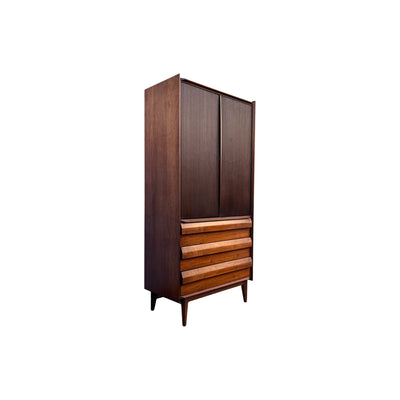
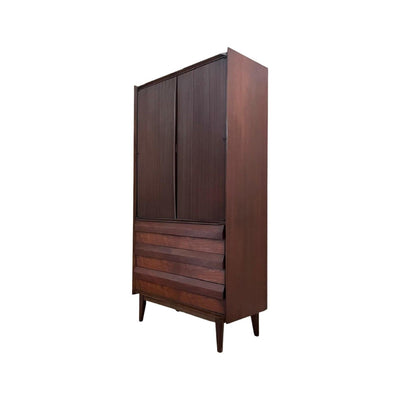
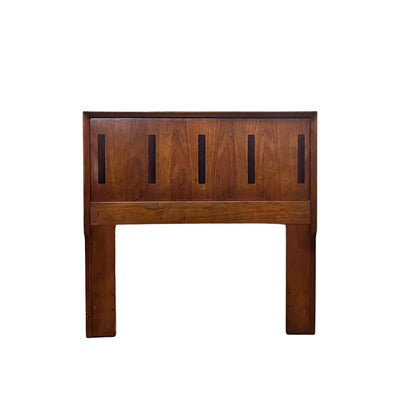
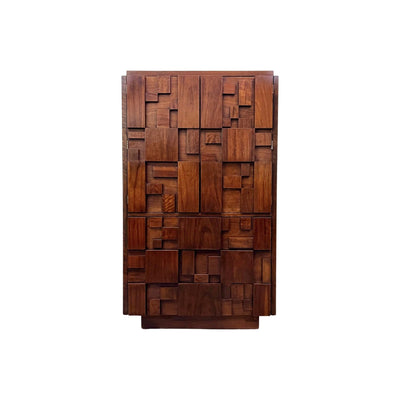
-
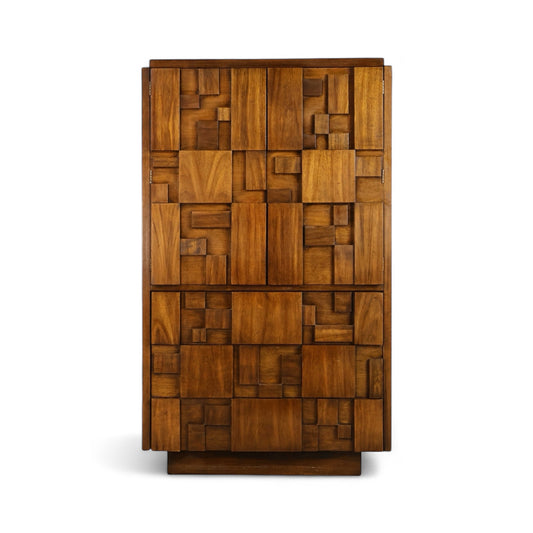
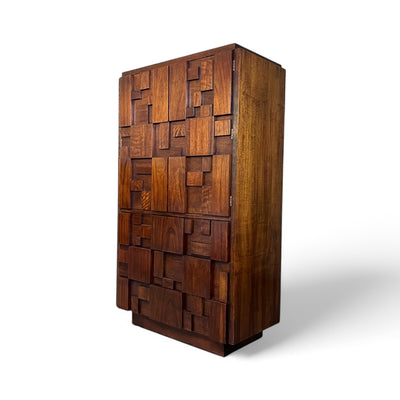
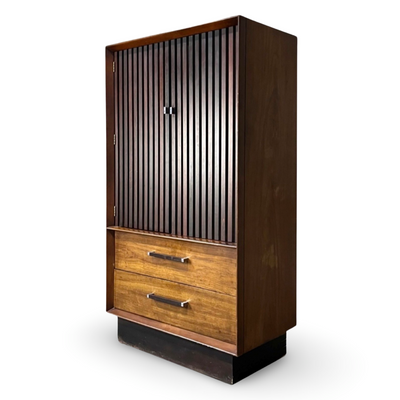
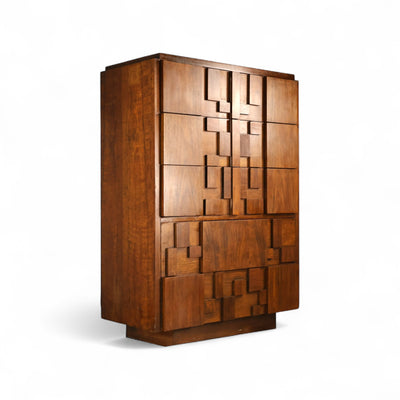
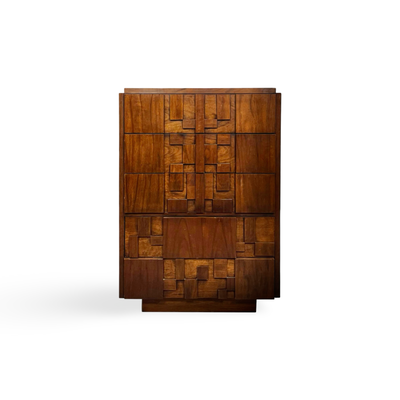
Lane Vintage Brutalist Mid Century Modern Burl Armoire c. 1970s
Vendor:LaneRegular price From $2,515.50 USDRegular priceUnit price per$2,795.00 USDSale price From $2,515.50 USDSale -
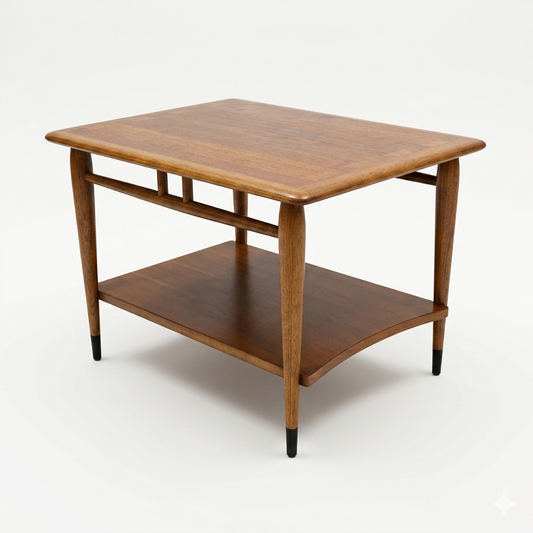
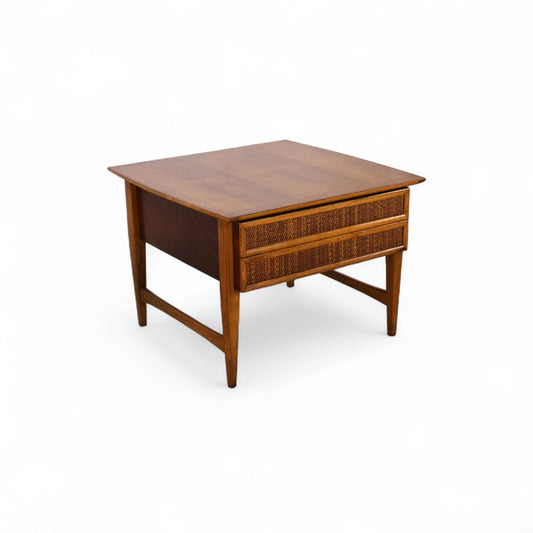
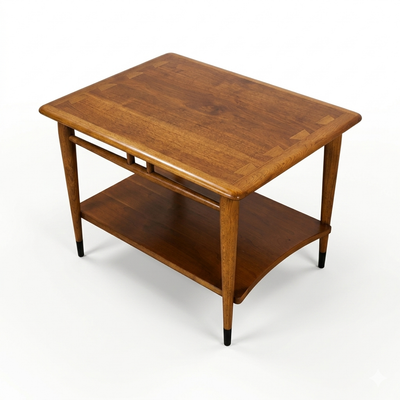
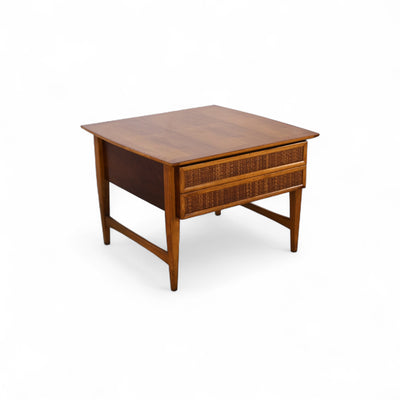
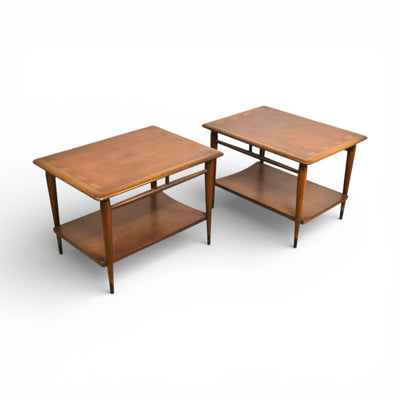
Lane Acclaim Vintage Mid Century Modern Two Tier Side Table c. 1960s
Vendor:LaneRegular price From $517.50 USDRegular priceUnit price per$575.00 USDSale price From $517.50 USDSale -
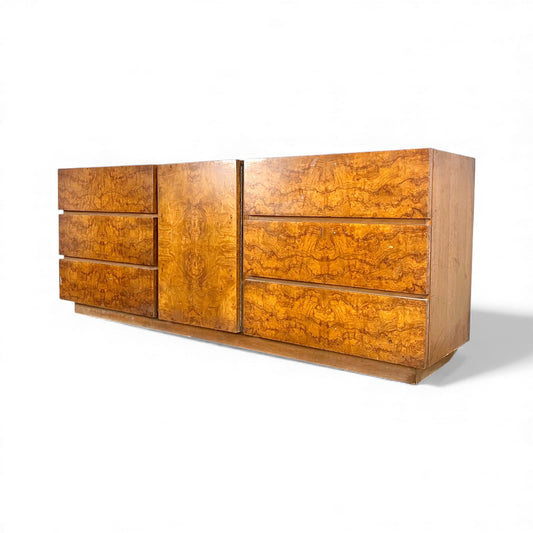
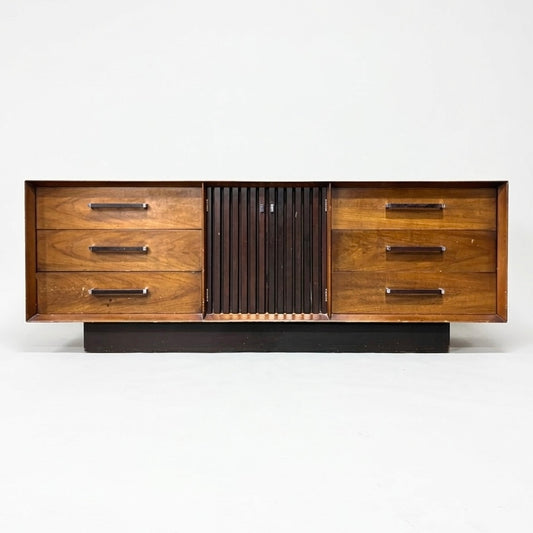
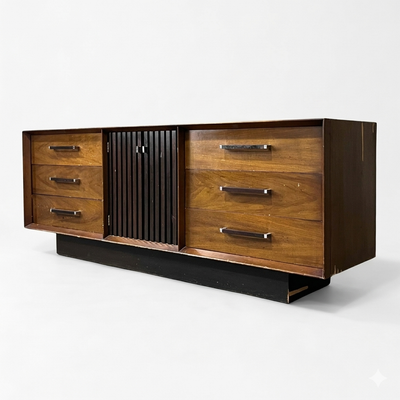
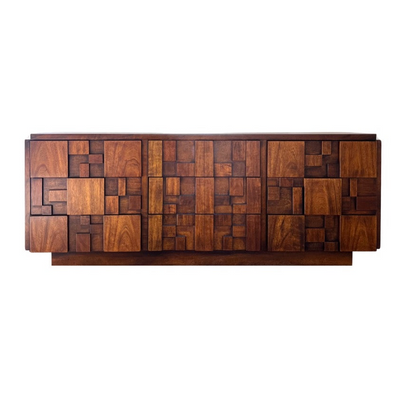
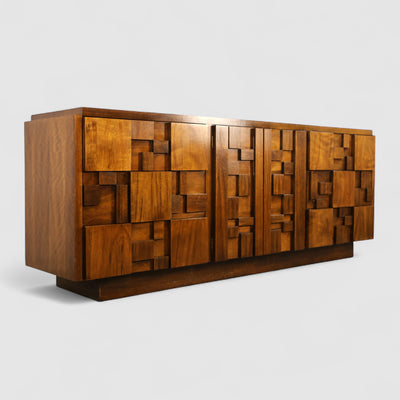
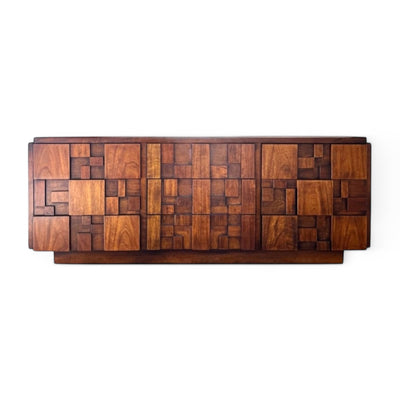
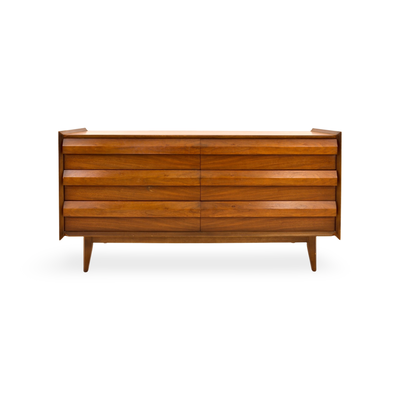
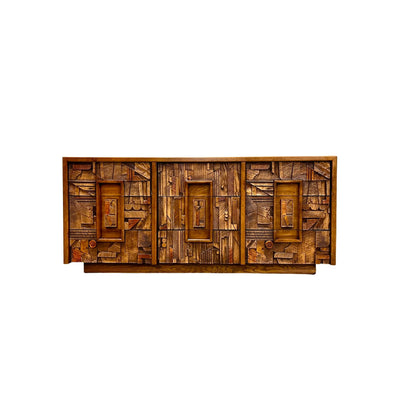
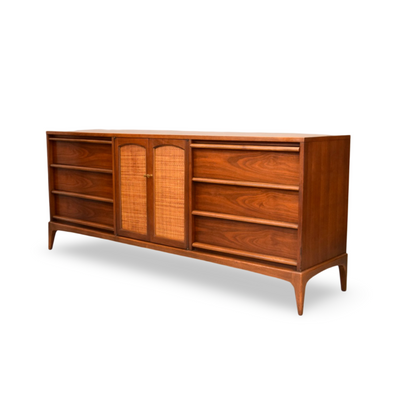
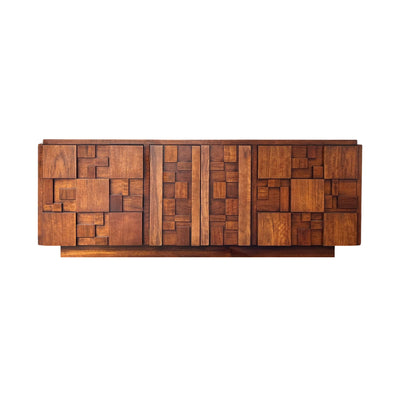
Lane Vintage Brutalist Mid Century Modern Burl 9 Drawer Lowboy Dresser c. 1970s
Vendor:LaneRegular price From $2,047.50 USDRegular priceUnit price per$2,275.00 USDSale price From $2,047.50 USDSale -
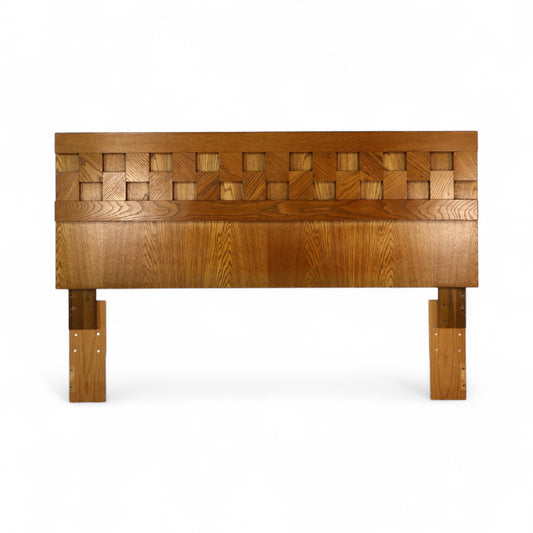
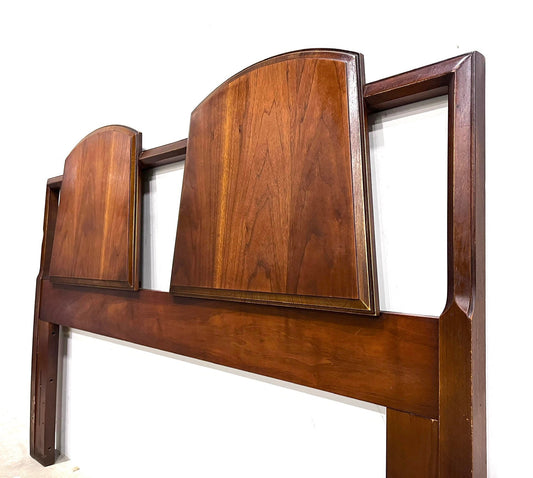
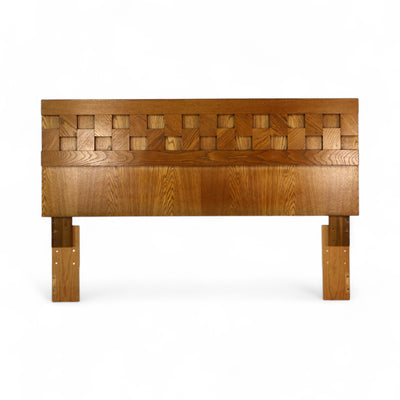
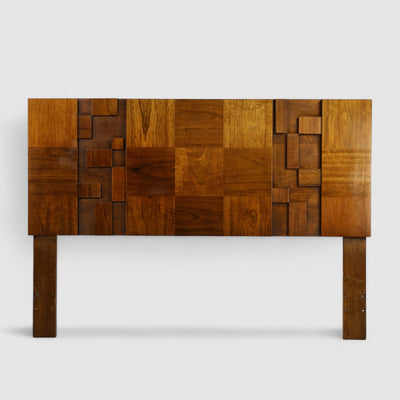
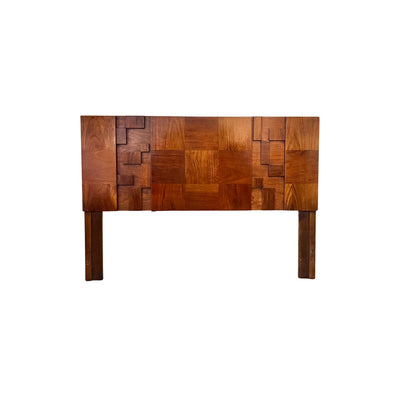
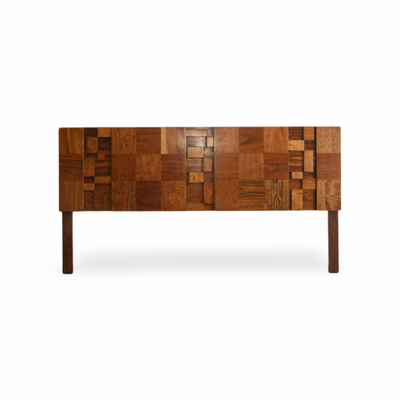
Lane Staccato Vintage Mid Century Modern Brutalist White Oak Queen Headboard c. 1970s
Vendor:LaneRegular price From $1,057.50 USDRegular priceUnit price per$1,175.00 USDSale price From $1,057.50 USDSale -
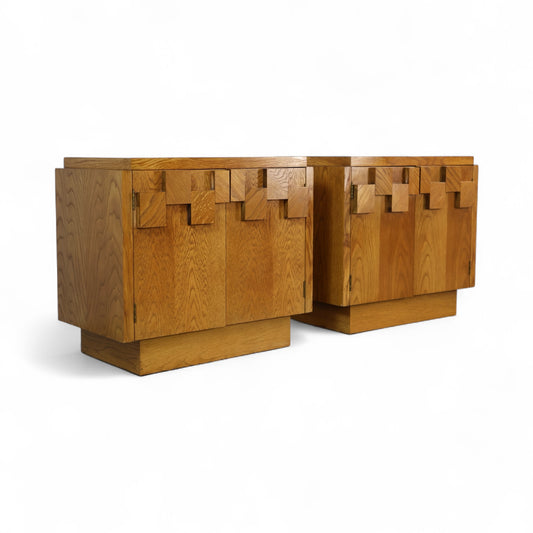
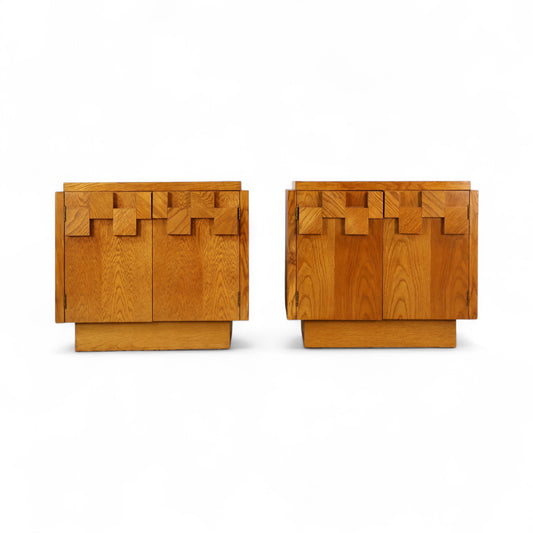
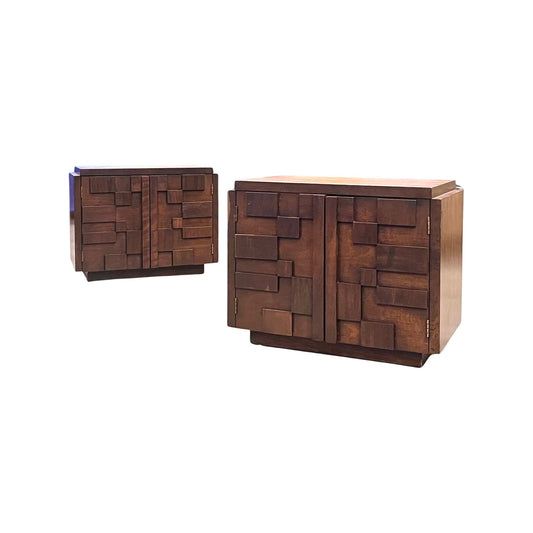
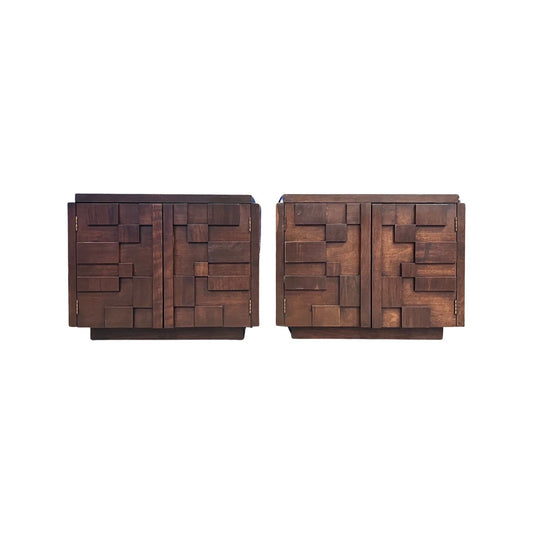
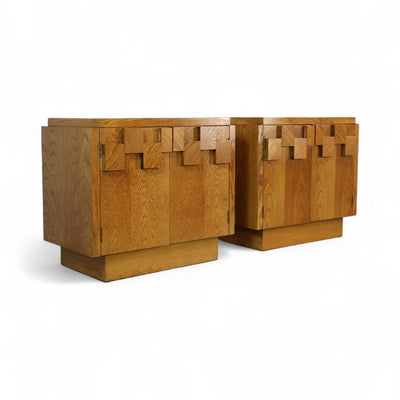
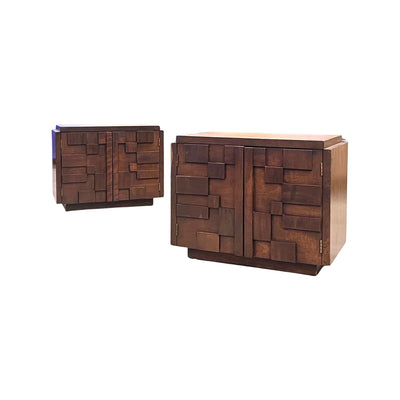
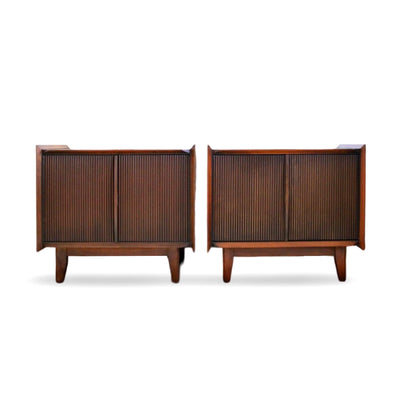
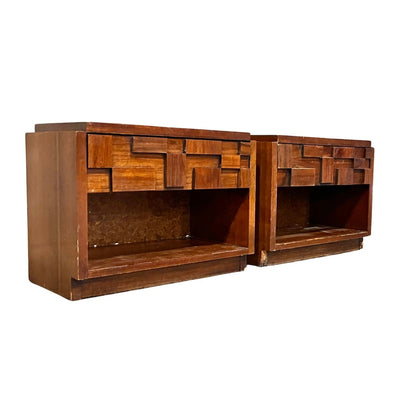
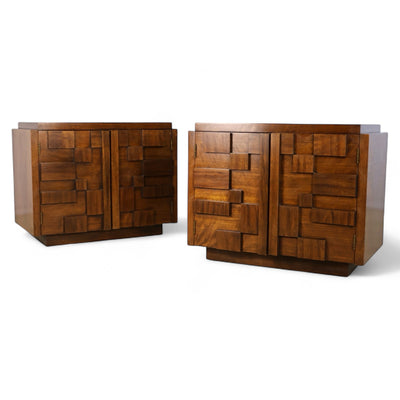
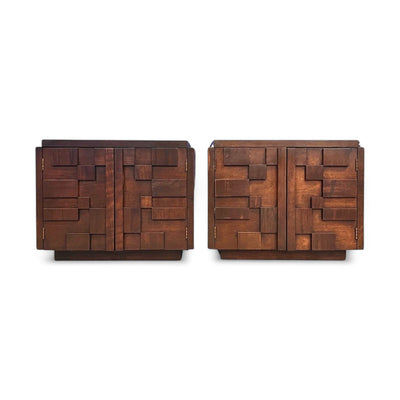
Lane Staccato Vintage Mid Century Modern Brutalist White Oak Pair of Nightstands c. 1970s
Vendor:LaneRegular price From $1,957.50 USDRegular priceUnit price per$2,175.00 USDSale price From $1,957.50 USDSale -
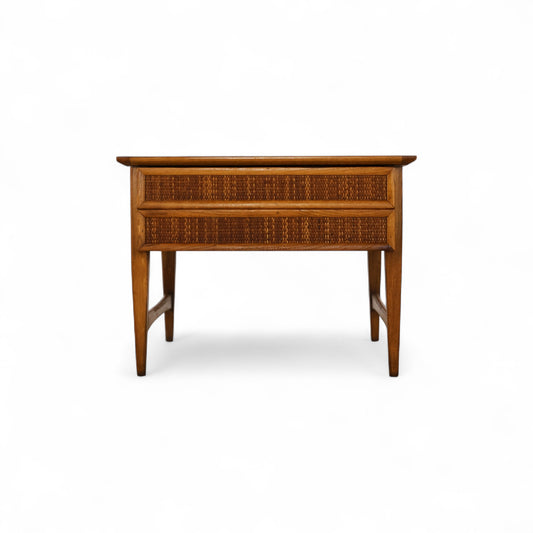
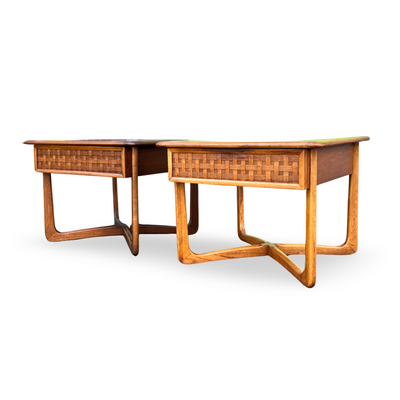
Lane Furniture Vintage Mid Century Modern End Lamp Table c. 1960s
Vendor:LaneRegular price From $517.50 USDRegular priceUnit price per$575.00 USDSale price From $517.50 USDSale -
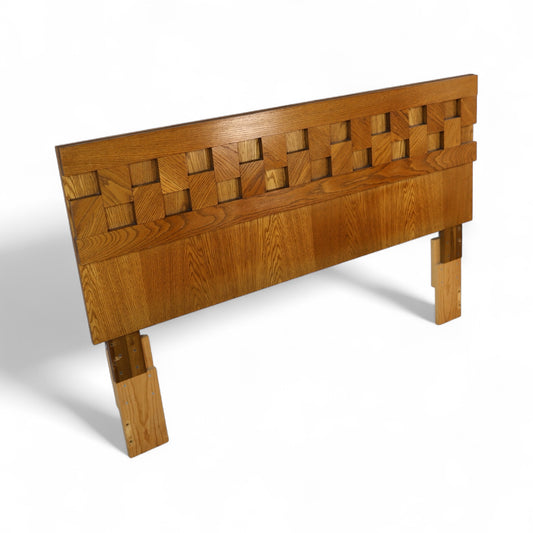
Lane Staccato Vintage Brutalist Mid Century Modern Queen Headboard c. 1960s
Vendor:LaneRegular price From $1,057.50 USDRegular priceUnit price per$1,175.00 USDSale price From $1,057.50 USDSale -
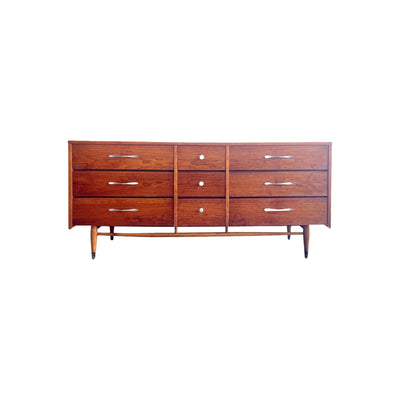
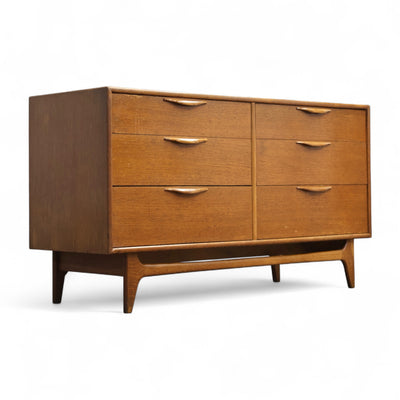
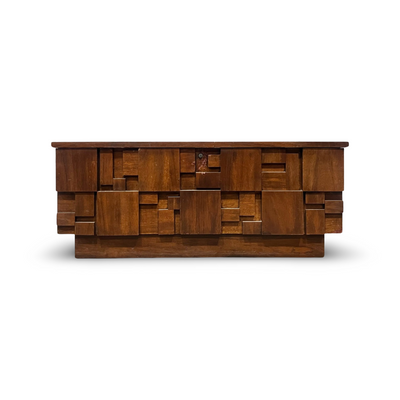
Lane Tower Suite Vintage Mid Century Modern Brutalist Lowboy Dresser c. 1970s
Vendor:LaneRegular price From $1,057.50 USDRegular priceUnit price per$1,175.00 USDSale price From $1,057.50 USDSale -
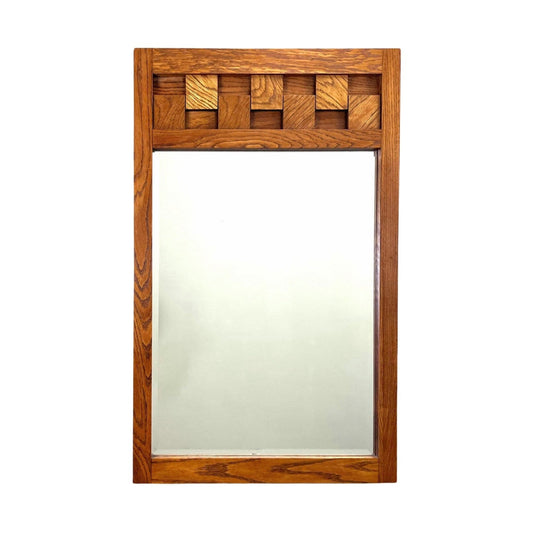
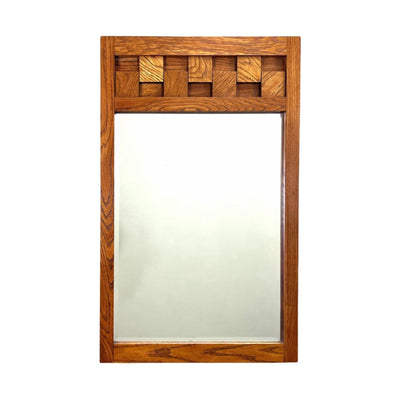
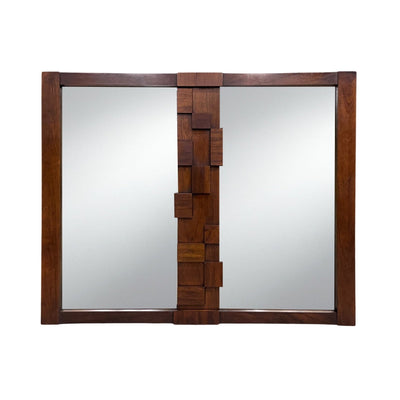
Lane Staccato Brutalist Mid Century Modern Oak Beveled Glass Mirror c. 1960s
Vendor:LaneRegular price $445.50 USDRegular priceUnit price per$495.00 USDSale price $445.50 USDSale -
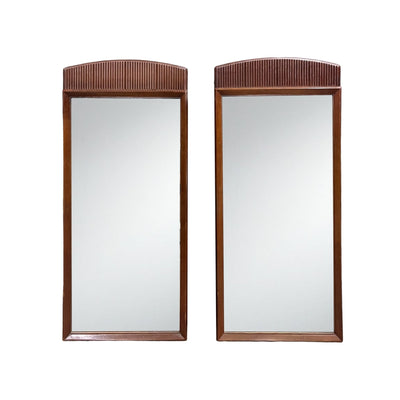
Lane Staccato Mid Century Modern Vintage Brutalist Double Mirror
Vendor:LaneRegular price $445.50 USDRegular priceUnit price per$495.00 USDSale price $445.50 USDSale -
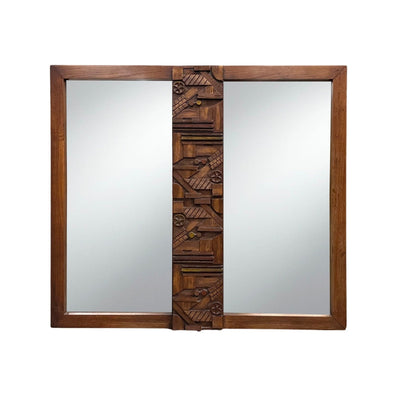
Lane “Pueblo” Mid Century Modern Vintage Brutalist Double Mirror Center Accents
Vendor:LaneRegular price $427.50 USDRegular priceUnit price per$475.00 USDSale price $427.50 USDSale -
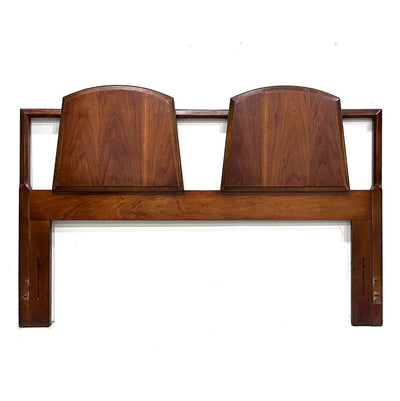
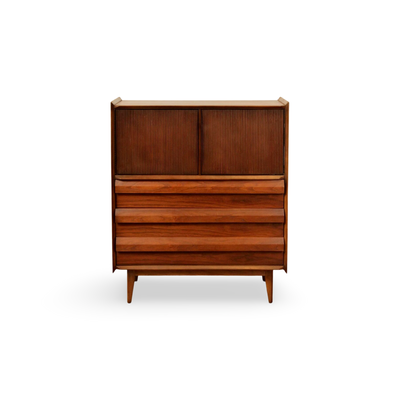
Lane First Edition Mid Century Modern Full or Queen Headboard from Scandia Collection c. 1960s
Vendor:LaneRegular price From $427.50 USDRegular priceUnit price per$475.00 USDSale price From $427.50 USDSale -
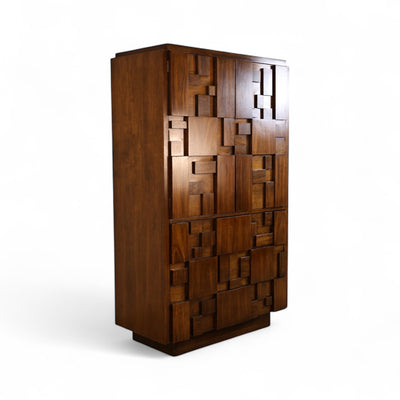
Lane Staccato Vintage Brutalist Mid Century Modern Armoire c. 1960s
Vendor:LaneRegular price From $2,675.00 USDRegular priceUnit price per -
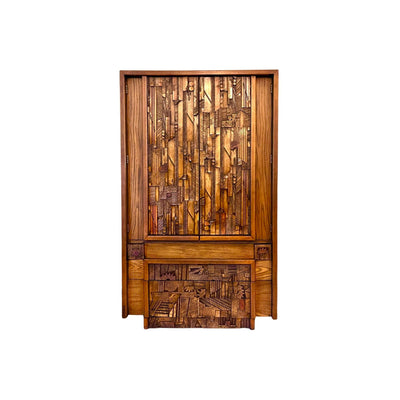
Lane Staccato Mid Century Modern Vintage Brutalist Armoire Chifferobe c. 1970s
Vendor:LaneRegular price $2,975.00 USDRegular priceUnit price per -
Lane Staccato Vintage Mid Century Modern Brutalist Pair of Nightstands c. 1970s
Vendor:LaneRegular price $2,475.00 USDRegular priceUnit price per -
Lane Staccato Vintage Mid Century Modern Brutalist 9 Drawer Lowboy Dresser c. 1970s
Vendor:LaneRegular price $2,995.00 USDRegular priceUnit price per