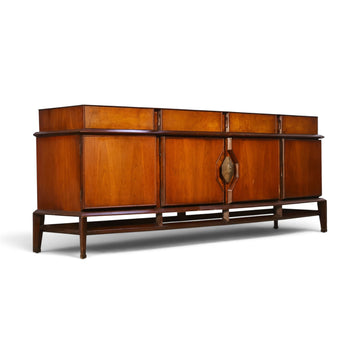
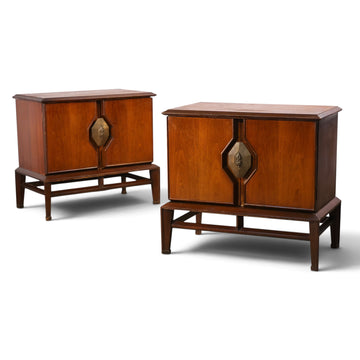
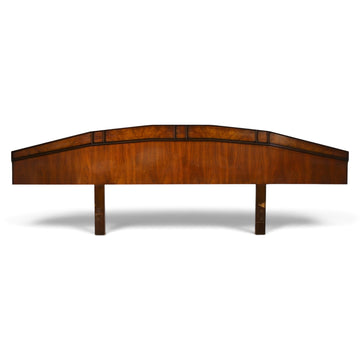
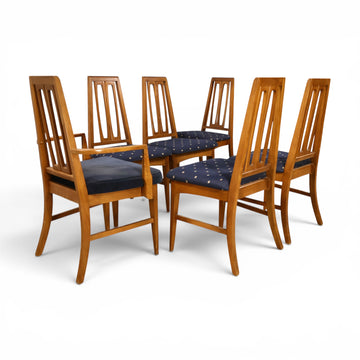
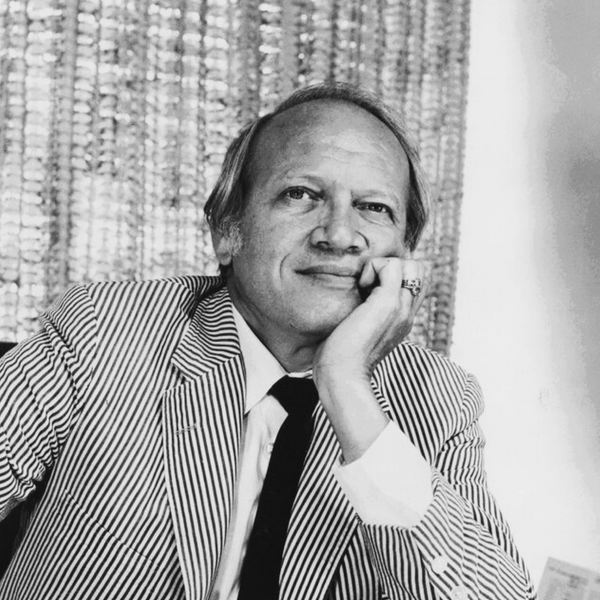
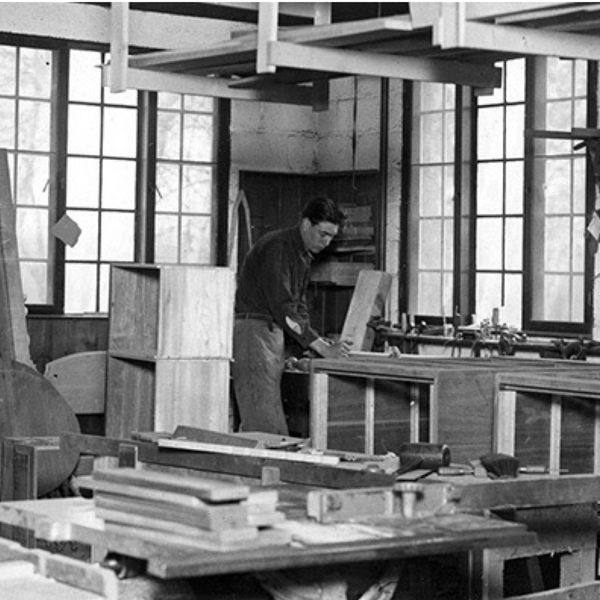
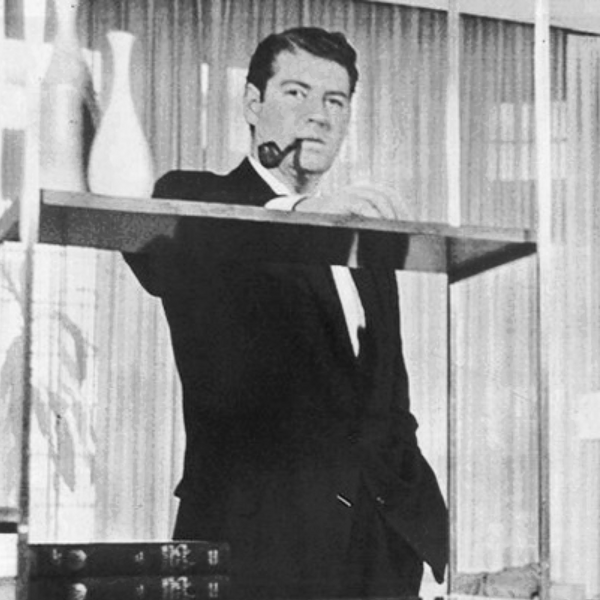
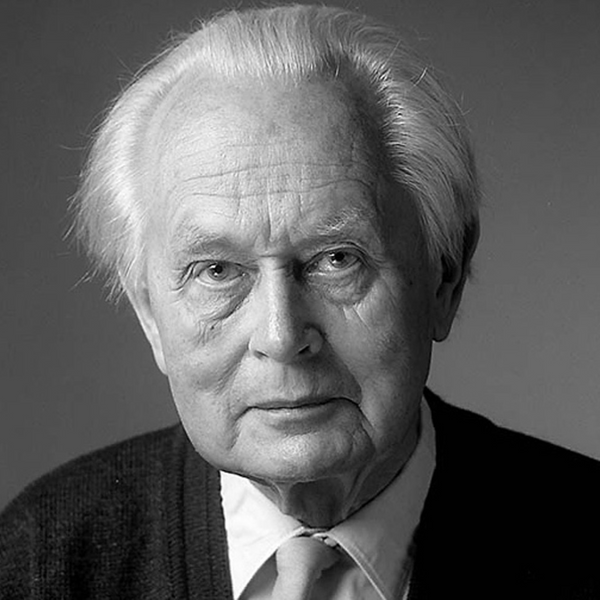
Vladimir Kagan (1927-2016) is widely considered one of the great American furniture designers of the twentieth century, and the market for his work has grown dramatically as mid-century modern collecting has matured. Born in Germany and trained in his father cabinetmaking shop after the family emigrated to New York, Kagan opened his first studio in 1947 and spent the next seven decades producing furniture of extraordinary originality and material quality.
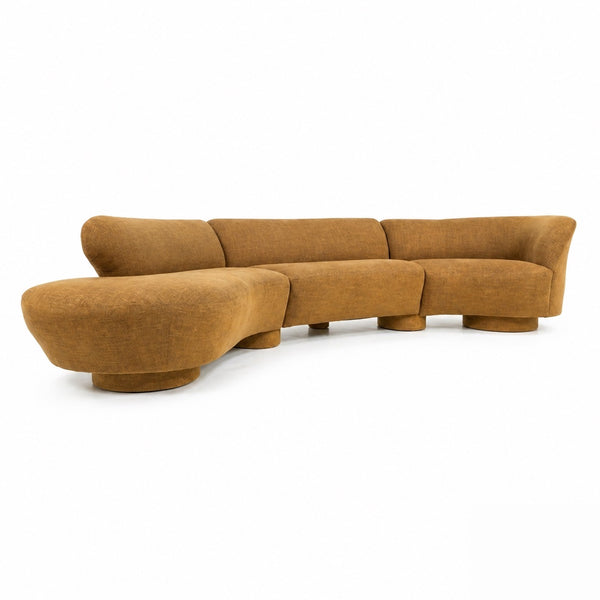
Kagan signature pieces resist easy categorization. His Contour Sofa — with its deeply sinuous seat and back, floating walnut base, and expansive scale — feels as contemporary today as it did in 1950. The Omnibus sectional system offered a modular approach to curved seating that anticipated everything that came after it. His Unicorn Chair, with its single-leg sculptural walnut base, remains one of the most structurally audacious designs of the MCM era.
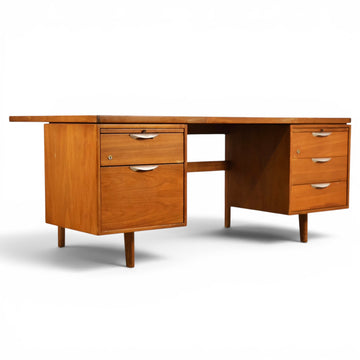
Beyond seating, Kagan produced case goods, dining tables, and beds with the same commitment to sculptural form — carved walnut aprons on dining tables, sinuously profiled desk legs, and bed frames that treat the headboard as an architectural element. His work was consistently hand-finished and made in relatively small numbers, which is why well-preserved original pieces command significant prices at auction.
At Mod City Mad, our Vladimir Kagan inventory reflects the full range of his production — from major seating pieces to smaller tables and case goods. Each piece is individually assessed for structural integrity, upholstery condition, and material authenticity. We offer both original-condition examples and professionally restored pieces for those who want gallery-ready presentation.
Collecting Kagan is collecting one of the defining American voices in twentieth-century design. These pieces only become rarer and more significant with time.
Frequently Asked Questions About Vladimir Kagan Furniture
Who was Vladimir Kagan?
Vladimir Kagan (1927–2016) was one of the most visionary American furniture designers of the 20th century, celebrated for his sensuous organic forms that stood in deliberate contrast to the rectilinear modernism dominant in postwar design. Born in Germany and trained in his father's New York cabinetry workshop, Kagan opened his own studio in 1947 and almost immediately began attracting a high-profile clientele including Marilyn Monroe, Gary Cooper, and the first United Nations headquarters in New York. His career spanned seven decades, and his furniture remains among the most distinctive and sought-after work of the mid-century modern era.
What are Vladimir Kagan's most iconic designs?
Kagan's most celebrated pieces include the Contour sofa and lounge chair, the Omnibus sectional system, the Unicorn chair, and his iconic free-form walnut coffee tables with sculpted bases. His furniture is instantly recognizable by its sweeping curves, cantilever structures, and the way forms seem to defy gravity—legs that angle dramatically outward, seat shells that float above the floor. The Contour collection, in particular, has been continuously in production in some form since the 1950s and remains his most iconic contribution to American design history.
How do I authenticate a Vladimir Kagan piece?
Authentic Vladimir Kagan pieces are often labeled on the underside of the frame or on a metal tag attached to the structure. Labels typically read "Vladimir Kagan" or "Vladimir Kagan Designs Inc." Vintage pieces from the 1950s–70s may also carry the Kagan-Dreyfuss label, reflecting his early partnership with Hugo Dreyfuss. Look for exceptional construction quality, hand-carved walnut or sculpted wood bases, and upholstery that wraps cleanly over complex curved forms. Comparing the piece against known catalog documentation is essential, as Kagan's designs have been widely copied.
What makes Vladimir Kagan furniture so valuable?
Kagan furniture commands premium prices for several compounding reasons: his designs are genuinely original and widely recognized, the construction quality is exceptional, and authentic vintage pieces were produced in relatively small numbers. His work has been exhibited at major design museums and consistently appears at top auction houses globally. The organic sculptural quality of his furniture—unlike anything else from the period—makes pieces immediately recognizable, which drives both collector demand and cultural significance. Well-preserved vintage examples in original upholstery are especially rare and valuable.
What should I look for when buying a vintage Vladimir Kagan piece?
When purchasing vintage Kagan, prioritize structural integrity: check that all joints are tight, legs are secure, and the frame is solid. Original upholstery in good condition is a bonus but not essential, as quality reupholstery is common and does not significantly diminish value. Verify provenance and labeling, and be cautious of pieces without any documentation—Kagan's work has been extensively copied. Purchasing from reputable dealers who specialize in high-end mid-century furniture is the safest approach for significant pieces.
Want to learn more? Read our in-depth Vladimir Kagan Collector's Guide — covering history, authentication, value, and buying tips.