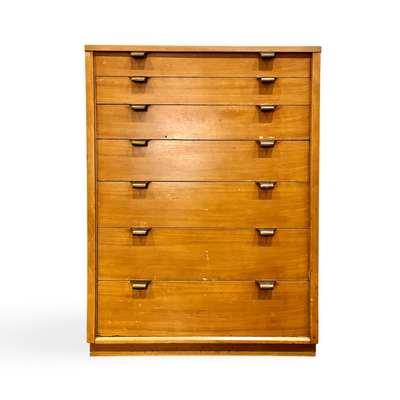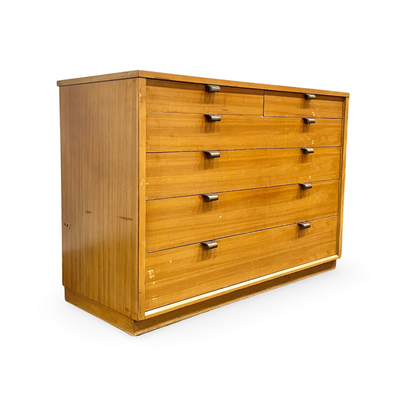
-
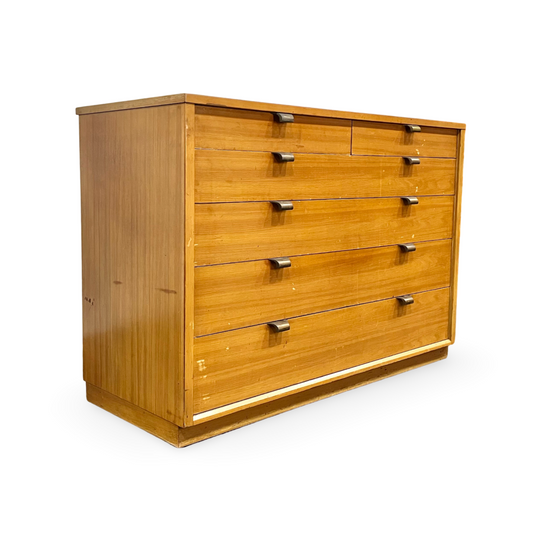
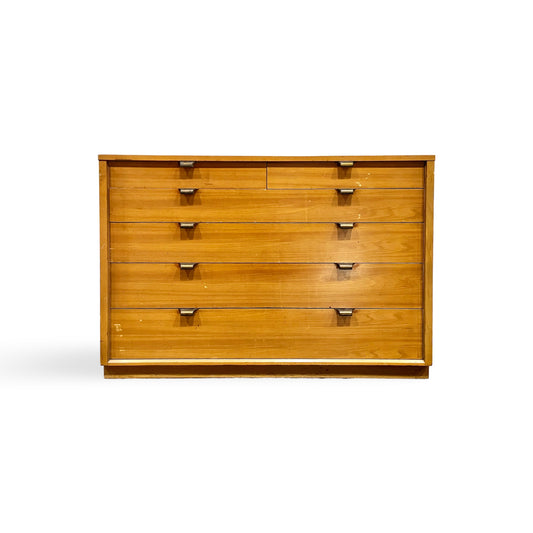
Edward Wormley for Drexel Precedent Vintage Mid Century Modern 7 Drawer Dresser c. 1950s
Vendor:Drexel FurnitureRegular price $1,775.00 USDRegular priceUnit price per -
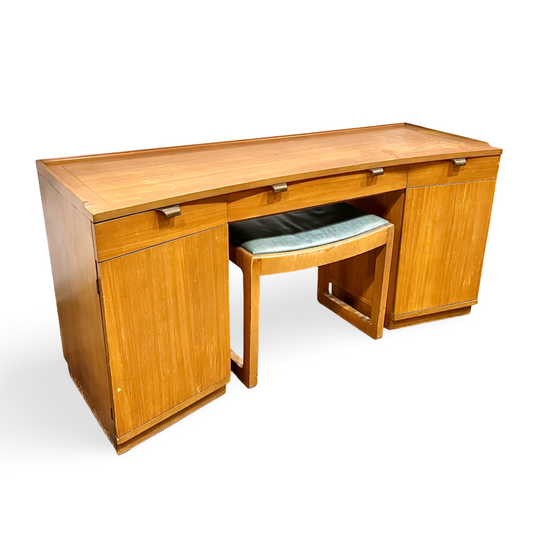
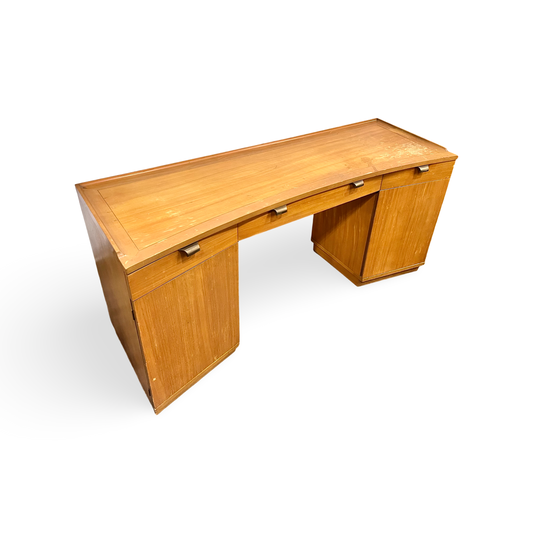
Edward Wormley for Drexel Precedent Vanity Desk & Stool c. 1950s
Vendor:Drexel FurnitureRegular price $1,975.00 USDRegular priceUnit price per -
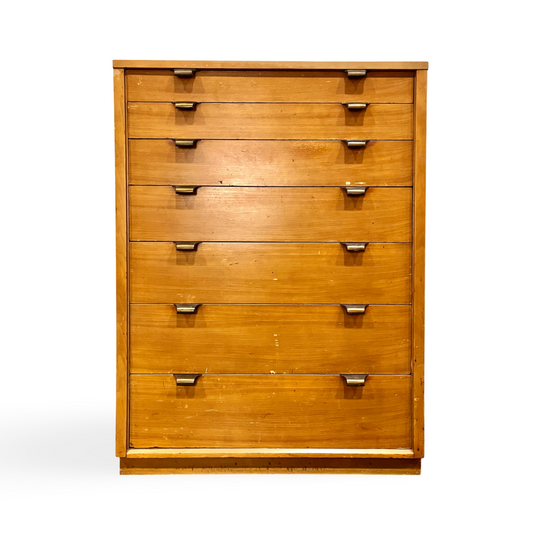
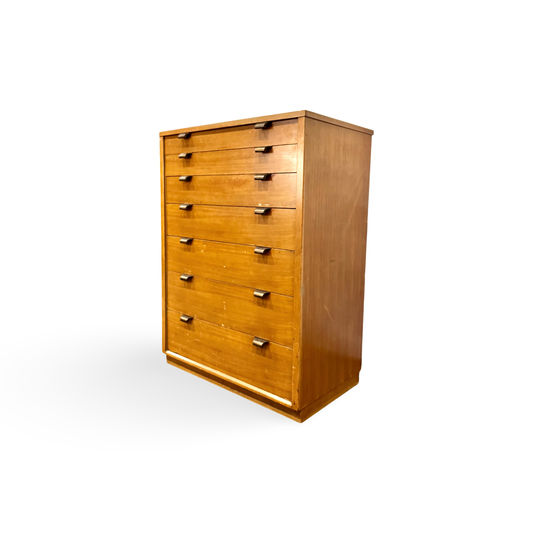
Edward Wormley for Drexel Precedent Vintage Mid Century Modern 6 Drawer Dresser c. 1950s
Vendor:Drexel FurnitureRegular price $1,975.00 USDRegular priceUnit price per


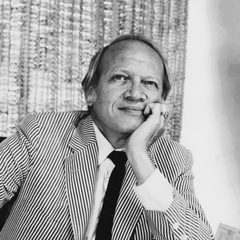

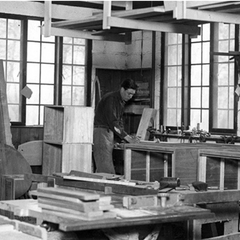

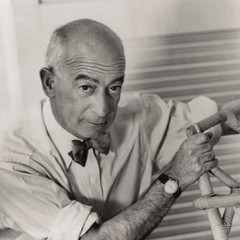
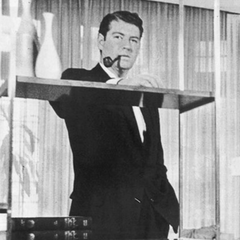
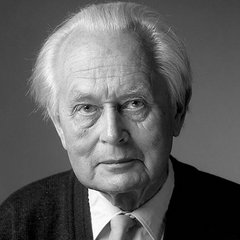


Edward Wormley
Edward Wormley is among the most distinguished American furniture designers of the twentieth century, celebrated for bringing European modernist sophistication to American living through his legendary partnership with Dunbar Furniture. His refined designs bridge the gap between traditional craftsmanship and modern sensibility with an elegance that remains unmatched.
Designer Biography
Edward Wormley was born in Oswego, Illinois in 1907 and studied at the Art Institute of Chicago before beginning his remarkable career in furniture design. In 1931, at just 24 years old, he joined Dunbar Furniture Company of Berne, Indiana as director of design—a partnership that would last over three decades and produce some of the most refined furniture of the twentieth century.
Wormley's genius lay in his ability to translate the intellectual rigor of European modernism into forms that felt warm, inviting, and appropriate for American homes. While his contemporaries often pursued radical minimalism, Wormley embraced rich materials, historical references, and sophisticated proportions that gave his designs a timeless quality. He drew inspiration from sources as diverse as Asian art, Scandinavian design, and the work of European masters like Thonet and Aalto, synthesizing these influences into a distinctly personal vocabulary.
Throughout his career, Wormley designed over 100 pieces for Dunbar's catalog, many of which remain icons of mid-century design. He passed away in 1995, leaving behind a legacy that has only grown in stature. Today, his work is held in major museum collections and is increasingly recognized as essential to understanding the finest achievements of American modernist furniture.
"Edward Wormley proved that modernism need not sacrifice warmth or sophistication. His work for Dunbar represents the highest expression of American furniture design—refined, intelligent, and endlessly livable.
— Mod City Mad
Iconic Designs
Listen-to-Me Chaise
One of Wormley's most celebrated and poetic designs, the Listen-to-Me chaise features a dramatically curved form that invites lounging and conversation. Its sculptural profile and exceptional craftsmanship make it one of the most coveted pieces of American mid-century furniture. Original examples command $8,000–$30,000+ depending on condition and provenance.
Janus Collection
The Janus collection represents Wormley's masterful synthesis of historical forms and modern sensibility. Named for the two-faced Roman god, these pieces look simultaneously backward and forward—incorporating elements from Asian, European, and American design traditions into strikingly modern forms. Janus pieces typically range from $3,000–$15,000.
Credenzas & Case Goods
Wormley's case goods for Dunbar are masterworks of proportion and material selection. Walnut, mahogany, and rosewood credenzas feature refined hardware, quality joinery, and sophisticated detailing that elevate functional storage into sculptural art. Values range from $3,000–$20,000+ depending on scale, wood species, and design complexity.
Lounge Chairs & Sofas
From tufted leather club chairs to sculptural open-arm designs, Wormley's seating combines visual elegance with genuine comfort. His sofas often feature clean lines softened by generous cushioning and luxurious upholstery. Lounge chairs range from $2,000–$10,000, with sofas commanding $3,000–$15,000+.
Occasional Tables
Wormley designed an extraordinary range of coffee tables, side tables, and console tables for Dunbar. Many feature distinctive details—Tiffany glass tile inlays, travertine tops, or sculpted walnut bases—that transform functional pieces into conversation starters. Tables typically range from $2,000–$12,000.
Design Signatures & Materials
Edward Wormley's design vocabulary is characterized by restrained elegance, exceptional material selection, and sophisticated proportions. He favored rich American walnut and mahogany, often complemented by exotic woods, brass hardware, and distinctive surface treatments. His use of Tiffany glass tiles, travertine marble, and leather as accent materials gave many pieces a distinctive luxury that set Dunbar apart from other manufacturers.
Construction quality throughout Dunbar's production under Wormley's direction was exceptional. The Berne, Indiana factory employed skilled craftsmen who executed Wormley's designs with meticulous attention to detail—hand-fitted joinery, carefully matched veneers, and flawless finishing defined every piece. This commitment to quality ensures that well-maintained Wormley pieces continue to function beautifully decades after manufacture.
Collecting & Authentication
Authenticating Edward Wormley pieces requires familiarity with Dunbar's production methods and labeling. Most pieces bear Dunbar manufacturer labels, often with model numbers and the distinctive Dunbar "D" mark. Labels are typically found on the underside of tables, inside drawer fronts, or on the backs of case goods. Published Dunbar catalogs and reference guides can confirm specific design attributions.
When evaluating condition, examine wood surfaces for finish integrity and veneer condition, hardware for originality, and any special materials (glass tiles, stone tops) for damage. Original finishes are highly valued, though quality refinishing does not dramatically diminish value when executed by experienced craftspeople. Reupholstery is expected for vintage seating and does not negatively impact collector value.
Our pieces are sold as-is in their authentic vintage condition. For collectors seeking restored examples, we offer optional professional restoration through our in-house workshop. All pieces ship worldwide with insurance.
Frequently Asked Questions
How do I identify authentic Edward Wormley furniture?
Look for Dunbar manufacturer labels on the underside of pieces or inside drawers. Labels typically include model numbers and the Dunbar name. Wormley's distinctive design vocabulary—refined proportions, quality woods, and sophisticated detailing—are reliable visual identifiers. Published Dunbar catalogs can confirm specific attributions.
What is the relationship between Edward Wormley and Dunbar?
Edward Wormley served as director of design for Dunbar Furniture Company from 1931 through the 1960s. He created over 100 designs for Dunbar, and the partnership is considered one of the most important designer-manufacturer collaborations in American furniture history. Most Wormley pieces bear Dunbar labels.
What is the typical price range for Edward Wormley pieces?
Pricing varies significantly by design and rarity. Occasional tables start around $2,000–$5,000, lounge chairs range from $2,000–$10,000, and important case goods command $3,000–$20,000+. Iconic designs like the Listen-to-Me chaise can exceed $30,000 at auction.
Are Edward Wormley pieces investment-grade?
Wormley's work has appreciated steadily as collectors and institutions recognize the sophistication and quality of his designs. His pieces for Dunbar are increasingly sought after at auction and through specialist dealers. Museum exhibitions and scholarly attention continue to elevate his legacy and support premium valuations.
Explore Related Designers
Explore more vintage pieces from our full roster of mid-century modern designers.
Frequently Asked Questions About Edward Wormley Furniture
Who was Edward Wormley?
Edward Wormley (1907–1995) was one of the most accomplished American furniture designers of the 20th century, best known for his 30-year collaboration with Dunbar Furniture of Berne, Indiana. Trained at the Art Institute of Chicago, Wormley joined Dunbar in 1931 at age 24 as Director of Design—a partnership that would produce over 100 pieces and establish both his reputation and Dunbar's as forces in refined American modernism. Unlike some mid-century contemporaries who pursued radical abstraction, Wormley brought a warmth and historical sensibility to modern design, earning his furniture a devoted following among architects, designers, and discerning homeowners.
What is Dunbar furniture?
Dunbar Furniture Corporation of Berne, Indiana was one of mid-century America's most prestigious furniture manufacturers, positioned at the upper end of the market alongside Herman Miller and Knoll. Founded in 1884, Dunbar built its mid-century reputation almost entirely on Edward Wormley's designs, which the company produced to an exceptionally high standard using quality hardwoods, premium upholstery, and meticulous craftsmanship. Dunbar pieces were sold through high-end department stores and interior design showrooms rather than mass-market retailers, which kept production volumes low and quality standards high. The company ceased production in the 1980s, making all authentic Dunbar furniture vintage.
What are Edward Wormley's most iconic designs?
Wormley's most celebrated pieces include the Listen-to-Me chaise (Model 4756), a flowing reclined lounge chair that is among the most recognizable American furniture designs of the 1940s; the Janus collection (1957), which incorporated Japanese woodblock prints into furniture surfaces; the Long John coffee table series; and the refined sectional seating systems that demonstrated Wormley's gift for combining comfort with visual sophistication. Many of his most acclaimed pieces drew on Arts and Crafts, Japanese, and historical European influences, filtered through a distinctly modern American lens.
How do I identify Edward Wormley furniture?
Most Dunbar furniture carries a brass manufacturer's label—often a small brass tag or plate—typically found on the underside of tables, inside drawer fronts, or on the backs of case goods. Labels generally read "Dunbar" or "Dunbar Furniture Corporation" and may include a model number. Construction quality is a strong secondary indicator: Dunbar pieces used premium hardwoods with impeccable joinery, and upholstered pieces have quality spring suspension and fabric application. Comparing pieces against Dunbar catalog documentation or Wormley's known design vocabulary is the most reliable method when labels are absent.
Is Edward Wormley furniture valuable?
Edward Wormley furniture commands significant prices, particularly at specialist dealers and major auction houses, where important pieces regularly achieve four and five-figure results. The Listen-to-Me chaise and rare Janus pieces are among the most valuable, while more common case goods and seating pieces are more accessible for new collectors. Condition, original upholstery, intact labels, and documented provenance all enhance value substantially. Wormley's growing critical recognition—he has been the subject of major museum retrospectives and monographs—continues to strengthen his market position.
Want to learn more? Read our in-depth Edward Wormley Collector's Guide — covering history, authentication, value, and buying tips.