
-
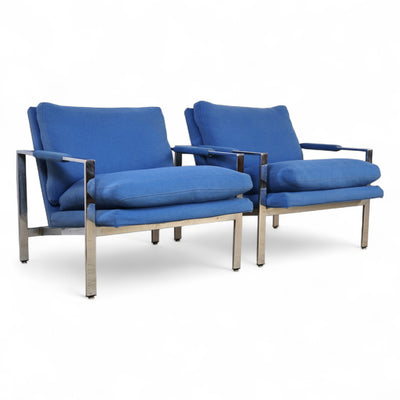
Milo Baughman for Thayer Coggin Vintage Mid Century Modern T Back Lounge Chairs c. 1960s
Vendor:Thayer CogginRegular price $3,217.50 USDRegular priceUnit price per$3,575.00 USDSale price $3,217.50 USDSale -
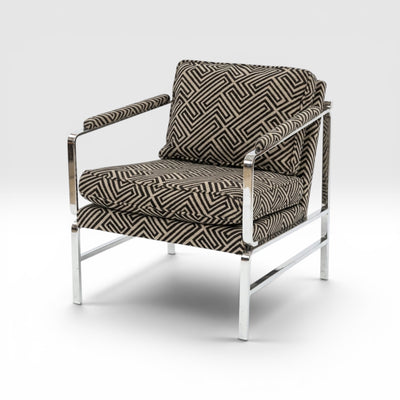
Milo Baughman Style Vintage Mid Century Modern Chrome and Fabric Accent Chair
Vendor:OtherRegular price $775.00 USDRegular priceUnit price per -


Milo Baughman Style Custom Vintage Mid Century Modern Burl and Chrome Pedestal Dining Table c. 1960s
Vendor:OtherRegular price $2,275.00 USDRegular priceUnit price per -
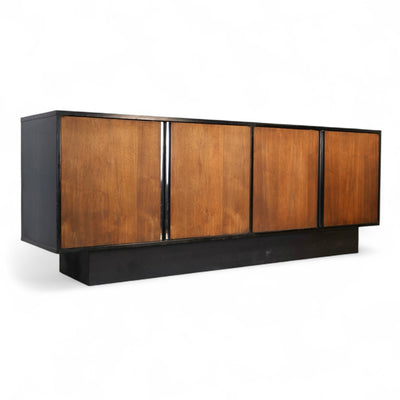
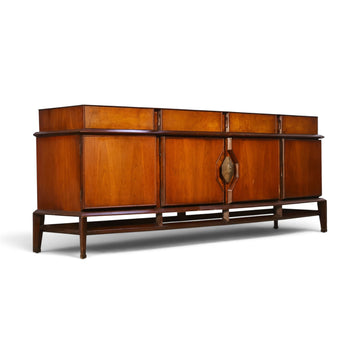
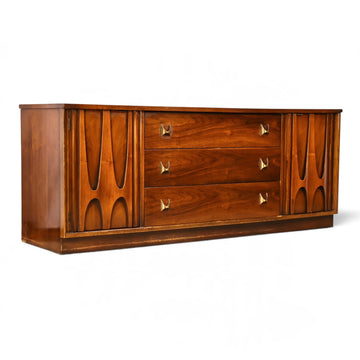
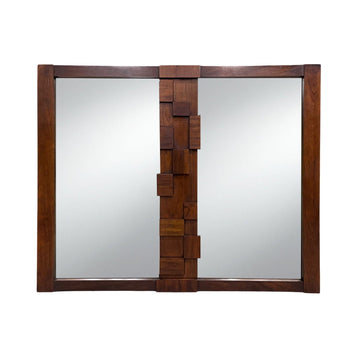
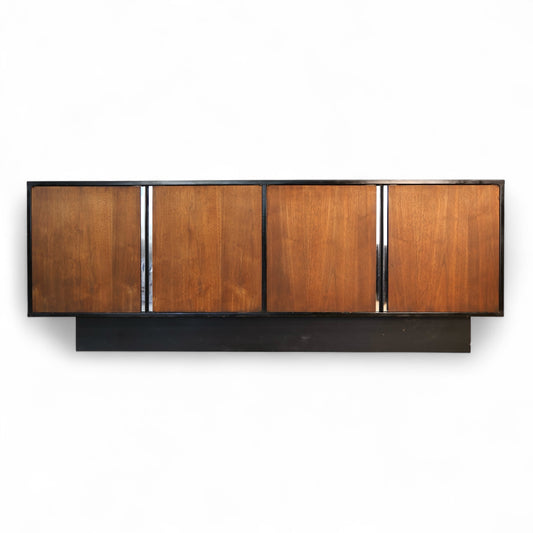
Milo Baughman Style Vintage Mid Century Modern Walnut and Chrome Credenza c. 1970s
Vendor:OtherRegular price $2,375.00 USDRegular priceUnit price per -
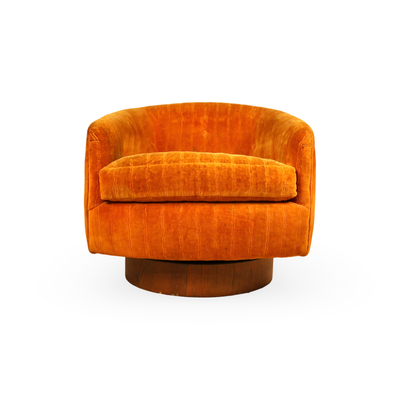
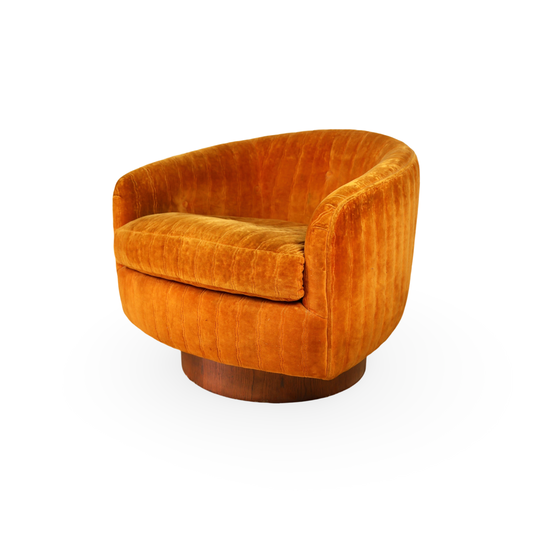
Milo Baughman for Thayer Coggin Vintage Mid Century Modern Swivel and Tilt Barrel Lounge Chair c. 1960s
Vendor:Milo BaughmanRegular price $1,475.00 USDRegular priceUnit price per -
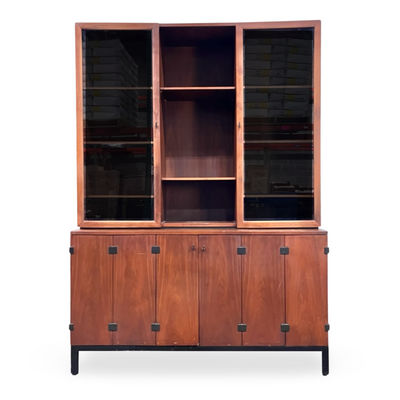
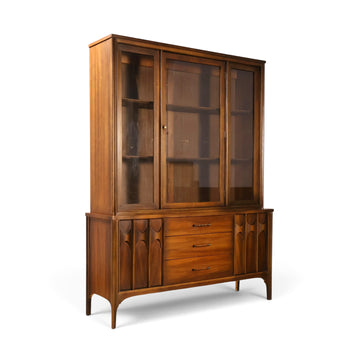
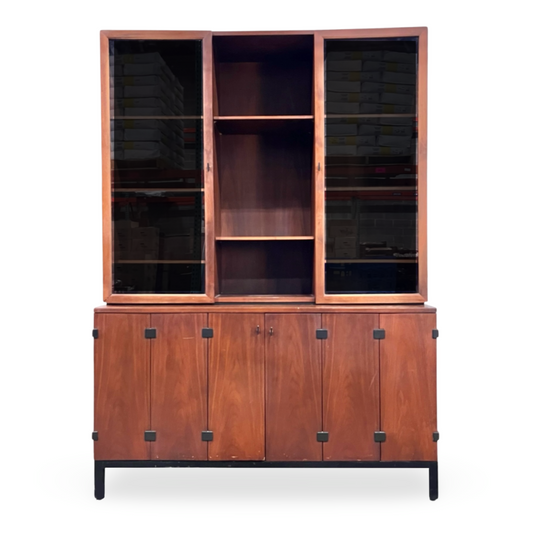
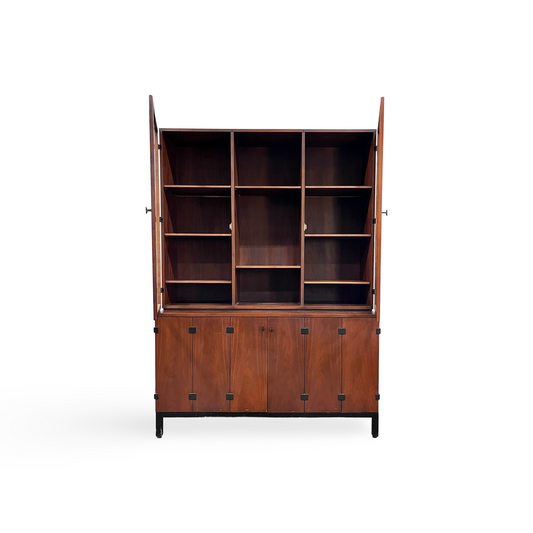
Milo Baughman for Directional Furniture Mid Century Modern 2 Piece China Cabinet c. 1960s
Vendor:DirectionalRegular price $2,475.00 USDRegular priceUnit price per -
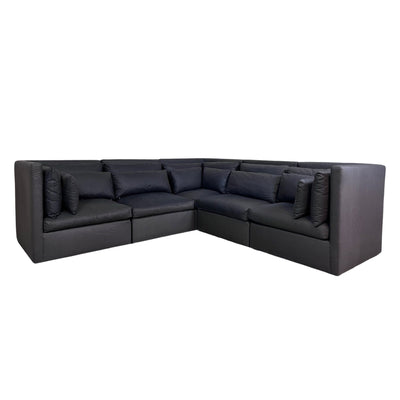
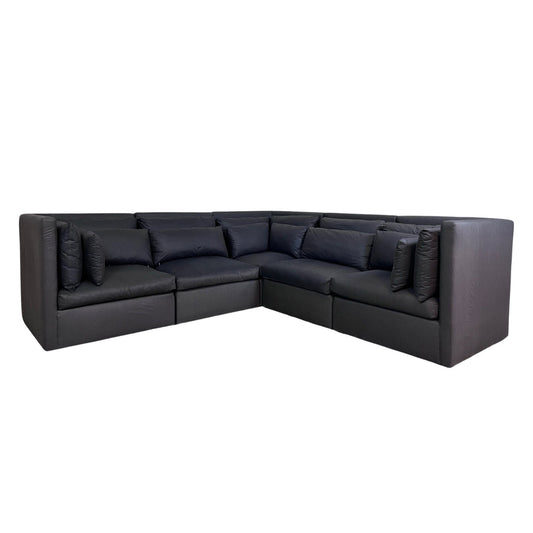
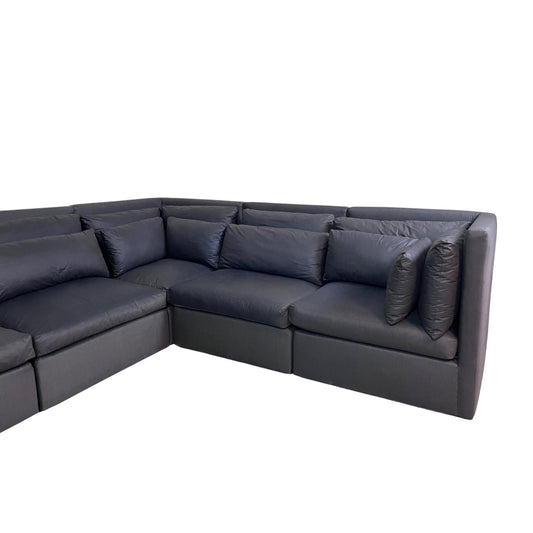
Milo Baughman for Thayer Coggin Charcoal Modular 5 Piece Sectional Sofa
Vendor:Thayer CogginRegular price $4,995.00 USDRegular priceUnit price per
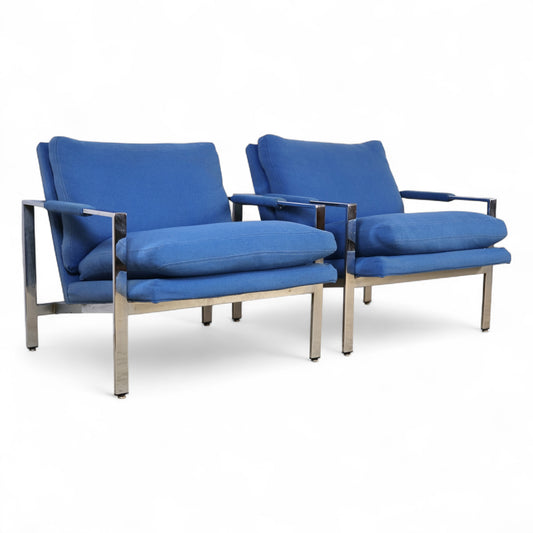
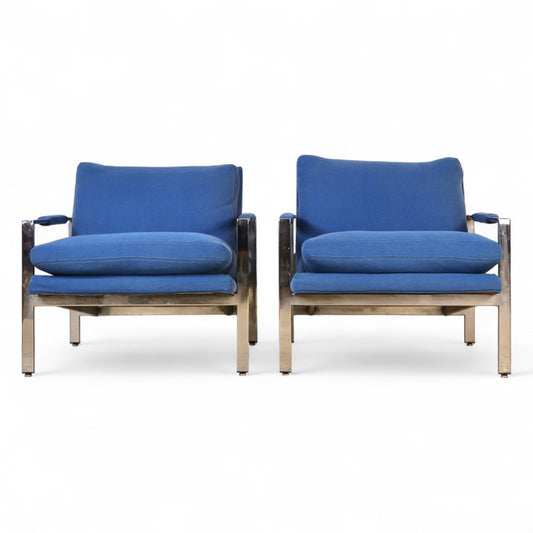

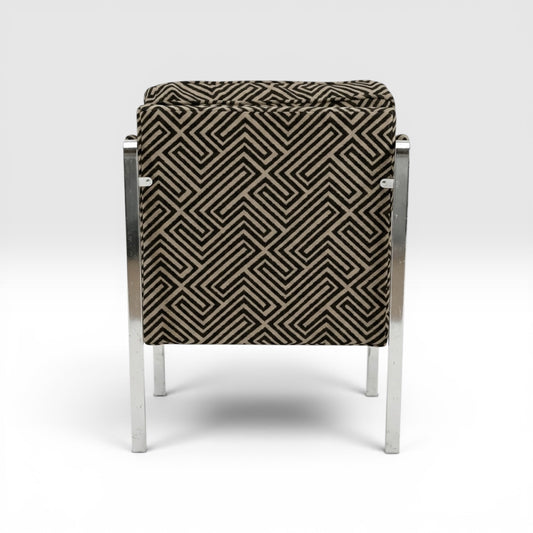





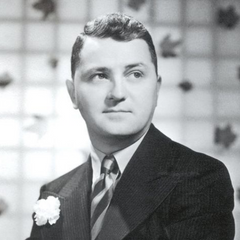
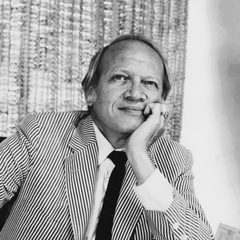

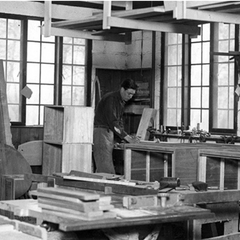

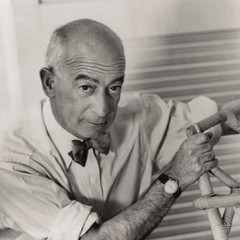

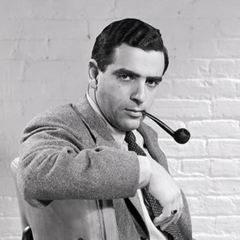
Milo Baughman
Milo Baughman is widely regarded as one of the most influential American furniture designers of the twentieth century. His partnership with Thayer Coggin produced some of mid-century modern's most iconic seating and case goods—celebrated for their clean geometry, luxurious materials, and timeless sophistication.
Designer Biography
Born in 1923 in Goodland, Kansas, Milo Baughman developed an early passion for design that led him to study architecture and industrial design. By the late 1940s, he had begun designing furniture that challenged conventional American tastes, introducing European modernist sensibilities to mainstream residential interiors. His approach was radical for the time—stripping furniture to its essential forms while insisting on the highest quality materials and construction.
In 1953, Baughman formed his legendary partnership with manufacturer Thayer Coggin in High Point, North Carolina. This collaboration would span five decades and produce over 150 designs, many of which remain in production today. Baughman's genius lay in his ability to create furniture that felt simultaneously luxurious and minimal—chrome flat-bar frames supporting supple leather cushions, sleek walnut cases with restrained hardware, and swivel chairs that invited both conversation and contemplation.
Baughman continued designing actively until his passing in 2003, leaving behind a body of work that profoundly shaped American furniture design. His pieces are represented in major design collections and remain among the most sought-after examples of twentieth-century American modernism.
"Milo Baughman achieved what few designers ever manage—creating furniture that feels both of its moment and entirely timeless. His work bridges the gap between museum-quality design and everyday living.
— Mod City Mad
Iconic Designs
Flat-Bar Chrome Seating
Perhaps Baughman's most recognizable contribution, his flat-bar chrome chairs and sofas feature sleek rectangular steel frames supporting deeply cushioned seats. The contrast between industrial chrome and rich upholstery became a defining image of 1970s luxury modernism. Original flat-bar pieces command $2,000–$8,000+ depending on configuration and condition.
Thin-Line Collection
The Thin-Line series showcased Baughman's mastery of proportion and restraint. Featuring impossibly slender frames supporting generous cushions, these pieces demonstrate how visual lightness can coexist with substantial comfort. Thin-Line sofas and lounge chairs typically range from $1,500–$6,000.
Swivel & Tilt Chairs
Baughman elevated the swivel chair from office utility to sculptural statement. His barrel-back swivels, pedestal-base loungers, and tilt-swivel designs became icons of sophisticated living rooms and executive suites. Values range from $1,000–$5,000 for individual chairs, with matched pairs commanding premiums.
Case Goods & Credenzas
Beyond seating, Baughman designed exceptional case goods—credenzas, dining tables, and shelving systems that shared his signature minimalist aesthetic. Walnut and rosewood cases with chrome or brass accents showcase his refined material sensibility. Case goods typically range from $1,500–$7,000 depending on scale and wood species.
Sectional & Modular Seating
Baughman pioneered modular seating configurations that could be arranged to suit any space. His sectional sofas—often featuring curved elements, chrome bases, and premium upholstery—remain highly functional and visually striking. Complete sectionals range from $3,000–$12,000+.
Design Signatures & Materials
Milo Baughman's design vocabulary is immediately recognizable to collectors and enthusiasts. Chrome and polished steel were his preferred structural materials—used in flat-bar, tubular, and pedestal forms that gave furniture an architectural quality. He favored rich American walnut and exotic rosewood for case goods, often pairing warm wood tones with cool metallic frames for dramatic contrast.
Upholstery played a central role in Baughman's designs. He specified high-quality leathers, velvets, and textured fabrics that complemented his minimal frames. Construction quality throughout is exceptional—Thayer Coggin's manufacturing standards ensured solid hardwood frames, precision welding on metal components, and meticulous upholstery work. Many pieces feature original Thayer Coggin labels with model numbers and production details that aid authentication.
Collecting & Authentication
Authenticating Milo Baughman pieces requires attention to manufacturer markings and construction details. Most pieces produced through Thayer Coggin bear labels or stamps with the company name, often including model numbers and production dates. Look for labels on the underside of seating frames, inside drawers, or on the back panels of case goods. Design attribution can also be confirmed through published catalogs and reference guides.
Condition is paramount for chrome-framed pieces—examine for pitting, flaking, or re-plating. Original chrome in good condition commands significant premiums over re-plated examples. For upholstered pieces, original fabric is less critical than structural integrity, as reupholstery is expected and does not diminish value when executed professionally. Walnut and rosewood case goods should be examined for veneer integrity and hardware originality.
Our pieces are sold as-is in their authentic vintage condition. For collectors seeking restored examples, we offer optional professional restoration through our in-house workshop. All pieces ship worldwide with insurance.
Frequently Asked Questions
How do I identify authentic Milo Baughman furniture?
Look for Thayer Coggin manufacturer labels on the underside of frames or inside case goods. Labels typically include model numbers and production details. Chrome flat-bar construction, distinctive proportions, and premium materials are reliable visual identifiers. Published design catalogs can confirm specific model attributions.
What is the typical price range for Milo Baughman pieces?
Pricing varies significantly by design type and condition. Individual swivel chairs start around $1,000–$3,000, flat-bar seating ranges from $2,000–$8,000+, and large sectionals or rare case goods can exceed $12,000. Chrome condition, original upholstery status, and design rarity all influence final pricing.
What's the difference between Milo Baughman and Thayer Coggin?
Milo Baughman was the designer; Thayer Coggin was the manufacturer. Their partnership began in 1953 and lasted five decades. Baughman created the designs while Thayer Coggin handled production and distribution. Most Baughman pieces bear Thayer Coggin labels, and both names are associated with the same body of work.
Does reupholstery affect the value of Milo Baughman furniture?
Professional reupholstery does not significantly diminish value for most Baughman seating. Unlike wood finishes, fabric and leather are expected to be replaced over decades of use. Quality reupholstery in period-appropriate materials can actually enhance desirability. Chrome and structural condition are more critical value factors.
Are Milo Baughman pieces investment-grade?
Baughman's work has shown consistent appreciation among collectors and design enthusiasts. His flat-bar chrome designs and iconic swivel chairs are particularly strong performers. Museum exhibitions and growing recognition of his design legacy continue to support premium valuations across his body of work.
Explore Related Designers
Explore more vintage pieces from our full roster of mid-century modern designers.
Frequently Asked Questions About Milo Baughman Furniture
Who was Milo Baughman?
Milo Baughman (1923–2003) was one of the most prolific and innovative American furniture designers of the mid-20th century, known for an extraordinarily long and productive career that spanned from the early 1950s through the 1990s. California-born and trained, Baughman developed a distinctly American modernism that incorporated chrome, polished metal, lucite, and unusual material combinations with a relaxed California sensibility. He is most closely associated with Thayer Coggin, the North Carolina manufacturer that produced the vast majority of his designs from the 1950s onward—a partnership that rivaled Wormley-Dunbar in its longevity and output.
What makes Milo Baughman furniture distinctive?
Milo Baughman's designs are recognizable by their bold use of materials and their comfortable, livable scale. He pioneered the use of chrome-framed furniture in residential settings at a time when metal was primarily associated with commercial or industrial design—his chrome-base sofas, lounge chairs, and dining sets remain some of his most iconic work. He also worked extensively with burl wood veneers, lacquered surfaces, and clear lucite elements, always combining materials in ways that felt luxurious without being formal. His furniture seats large and is genuinely comfortable, which distinguishes him from designers who prioritized visual drama at the expense of usability.
How do I identify Milo Baughman furniture?
Milo Baughman pieces produced by Thayer Coggin carry the Thayer Coggin label—typically a fabric tag on upholstered pieces or a metal plate on case goods. Earlier pieces produced by Glenn of California (from the late 1940s and 1950s) carry the Glenn label. The design vocabulary is a strong secondary identifier: look for chrome tube or flat bar frames, burl wood veneer panels, floating bases that keep furniture visually light, and the characteristic Baughman proportions—pieces that are wide and low with generous cushion depth. Model numbers can be cross-referenced against Thayer Coggin catalogs, which are well-documented by collectors.
What are Milo Baughman's most collectible pieces?
The most sought-after Baughman pieces include his chrome-base lounge chairs and sofas from the 1960s and 70s, particularly the iconic barrel chair designs; burl wood credenzas and dining tables; the lucite-base seating series; and his modular sofa systems. Baughman designed for over five decades, so output is substantial—but the most collectible pieces are generally from the 1960s and early 1970s when his material experimentation was at its peak. Complete matched sets in original condition (especially chrome-and-velvet combinations) command significant premiums.
Is Milo Baughman furniture a good value for collectors?
Milo Baughman furniture offers excellent value relative to more famous designer names—his pieces are genuinely well-made, historically significant, and visually distinctive, yet often more accessible in price than comparable work by Kagan or Probber. His long production run means more pieces are available in the market, which keeps prices from reaching extreme levels for common designs. However, rare early pieces, unusual material combinations, and documented designs from key collections have appreciated significantly. For buyers who want high-quality American mid-century furniture with strong visual impact at a reasonable price point, Baughman represents excellent value.
Want to learn more? Read our in-depth Milo Baughman Collector's Guide — covering history, authentication, value, and buying tips.