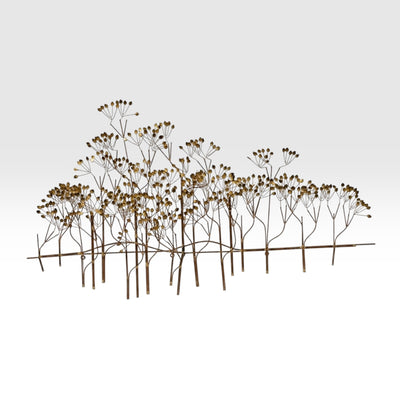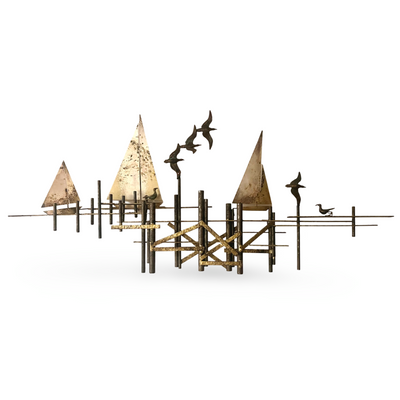
-
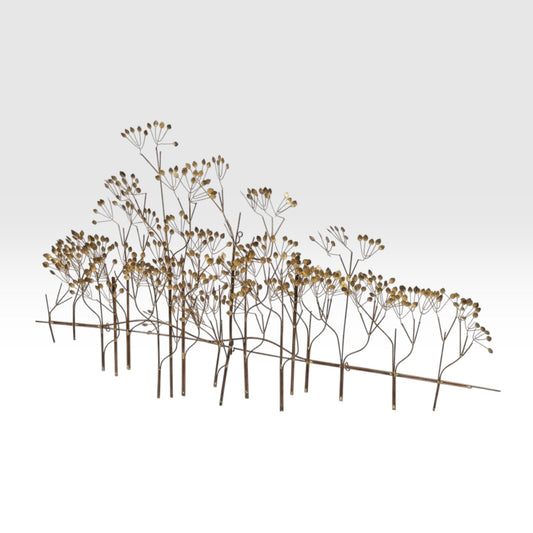
Curtis Jere Vintage Mid Century Modern 'The Elms' Wall Sculpture c. 1960s
Vendor:Curtis JereRegular price $975.00 USDRegular priceUnit price per -
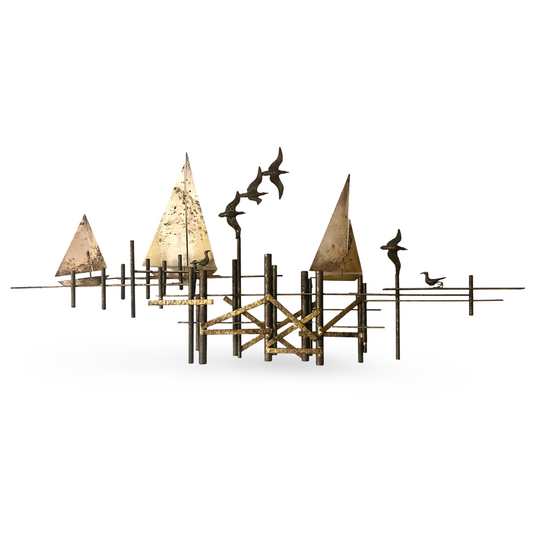
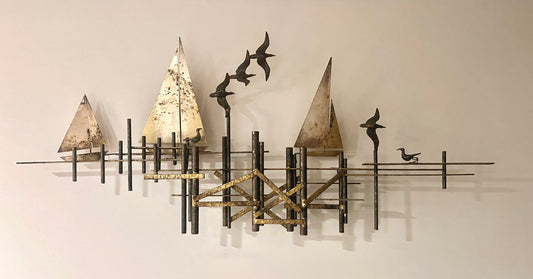
Curtis Jere Brutalist Seagulls and Sailboats at the Dock Metal Wall Sculpture c. 1972
Vendor:Curtis JereRegular price $1,175.00 USDRegular priceUnit price per -
Curtis Jere Vintage Mid Century Modern Brass Wall Hanging Parisian Cafe Sculpture c. 1960s
Vendor:Curtis JereRegular price $875.00 USDRegular priceUnit price per




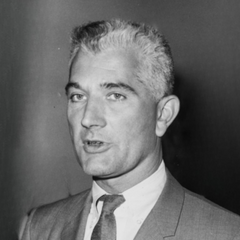
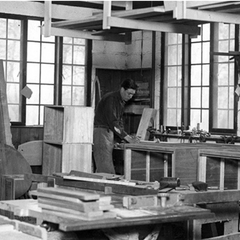
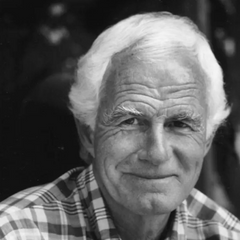
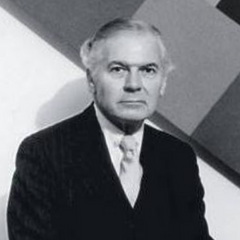
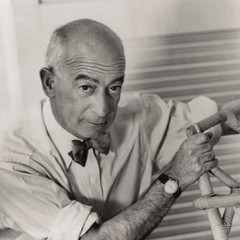
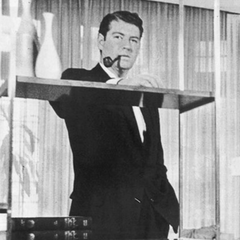
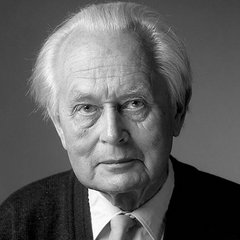
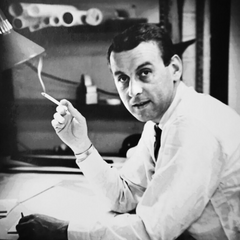
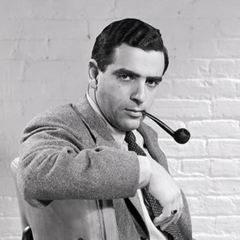
Curtis Jere
Curtis Jere is the celebrated collective name of brothers Curtis Freiler and Jerry Fels, whose Los Angeles studio produced some of the most iconic metal wall sculptures and mixed-media art of the mid-century modern era. Their hand-welded, signed works remain among the most collected decorative art pieces of the 20th century.
Studio History
Curtis Jere is the artistic pseudonym of Curtis Freiler and Jerry Fels, brothers who founded their metal art studio in Los Angeles in the late 1950s. Operating under the name Artisan House, the duo pioneered a distinctive approach to decorative metal sculpture that bridged the gap between fine art and functional décor. Their work became synonymous with the sophisticated interiors of the 1960s and 1970s, gracing the walls of modernist homes, corporate lobbies, and high-end commercial spaces across America.
What distinguished Curtis Jere from mass-produced wall art was their commitment to handcrafted quality. Each piece was assembled by skilled metalworkers using techniques including hand-welding, torch-cutting, and patination. The studio produced an extraordinary range of designs—from abstract compositions to representational scenes—all unified by bold scale, rich material texture, and an unmistakable sense of artistic authority.
Today, Curtis Jere pieces are recognized as important examples of mid-century decorative art. Museum exhibitions, design publications, and sustained collector demand have elevated the studio's legacy, with rare and large-scale works commanding exceptional prices at auction and through specialist dealers.
"Curtis Jere wall sculptures are the ultimate mid-century statement pieces—where industrial craft meets artistic vision to create works that transform any wall into a gallery experience.
— Mod City Mad
Iconic Designs
Sunburst Wall Sculptures (1960s–1970s)
The most recognizable Curtis Jere design, sunburst sculptures feature radiating metal rays—often in brass, copper, or mixed metals—emanating from a central point to create dramatic focal pieces. Available in sizes ranging from modest accent pieces to room-dominating installations spanning several feet, sunbursts epitomize the studio's mastery of scale and material. Values range from $800–$5,000+ depending on size, condition, and specific design.
Abstract Cityscape Sculptures (1960s–1970s)
Curtis Jere's cityscape wall sculptures capture urban skylines in layered, textured metal compositions. Using torch-cut brass, copper, and steel, these pieces create dimensional representations of city architecture with remarkable depth and detail. Large-scale cityscapes are among the most valuable Curtis Jere works, commanding $2,000–$10,000+ for exceptional examples.
Birds in Flight (1960s–1970s)
Graceful and dynamic, Curtis Jere's bird sculptures depict flocks in motion using welded brass or mixed metals. These pieces range from compact compositions to sweeping installations and bring organic movement to interior walls. Values typically range from $500–$3,000 depending on scale and complexity.
Tree of Life & Botanical Sculptures (1960s–1970s)
Naturalistic themes feature prominently in the Curtis Jere catalog, with tree sculptures, leaf compositions, and botanical forms rendered in brass, copper, and mixed metals. These pieces often incorporate multiple patinas and textures for visual depth. Values range from $600–$4,000.
Materials & Techniques
Curtis Jere pieces are distinguished by their exceptional material quality and handcrafted construction. The studio worked primarily in brass, copper, steel, and chrome—often combining multiple metals within a single piece for visual contrast and depth. Techniques included hand-welding, torch-cutting, hammering, and patination, giving each work a subtle individuality that mass production could never replicate.
Patinas range from warm golden brass to deep verdigris greens, with some pieces featuring polished chrome or mixed-metal finishes. Scale was a hallmark of the studio's ambition—many wall sculptures span three to six feet or more, designed to serve as architectural focal points rather than mere accessories. The combination of industrial materials and artistic composition creates a textural richness that photographs can only partially capture.
Collecting & Authentication
Authentic Curtis Jere pieces are typically signed "C. Jere" or "Curtis Jere" with a date, usually found on the sculpture itself or on an attached metal tag. Some pieces also bear an "Artisan House" label. The signature is the most reliable authenticator—look for hand-etched or stamped markings on the piece's surface or mounting hardware. Unsigned pieces require careful evaluation of construction quality, materials, and design consistency with known Curtis Jere works.
Condition assessment should focus on metal integrity, patina consistency, and structural soundness. Original patinas are highly valued by collectors; aggressive polishing or refinishing can reduce value. Minor oxidation and natural aging are generally considered desirable, adding character and authenticity. Large-scale works and rare designs command the highest premiums.
Our pieces are sold as-is in their authentic vintage condition. For collectors seeking restored examples, we offer optional professional restoration through our in-house workshop. All pieces ship worldwide with insurance.
Frequently Asked Questions
How can I identify authentic Curtis Jere pieces?
Look for the "C. Jere" or "Curtis Jere" signature, typically hand-etched or stamped on the sculpture's surface, often accompanied by a date. Some pieces also carry an "Artisan House" label. Authentic works demonstrate hand-welded construction, quality metals (brass, copper, steel), and the distinctive textural depth that defined the studio's output.
What is the typical price range for Curtis Jere sculptures?
Pricing varies significantly by design, size, and condition. Smaller accent pieces start around $500–$1,000. Mid-size wall sculptures typically range from $1,000–$5,000. Large-scale cityscapes, rare designs, and museum-quality pieces can command $5,000–$10,000+. Signed and dated works in original condition bring the strongest premiums.
Should I polish or restore a Curtis Jere sculpture?
Proceed with caution. Original patinas are highly valued by collectors and contribute significantly to authenticity and value. Aggressive polishing can permanently damage original surfaces. Light dusting and gentle cleaning are generally safe. For pieces requiring restoration, we offer professional restoration services that respect original patinas while addressing structural issues.
Are Curtis Jere pieces investment-grade?
Curtis Jere sculptures are widely recognized as blue-chip mid-century decorative art. Signed works have shown consistent value appreciation, with large-scale and rare designs performing especially well. Museum exhibitions and growing collector interest continue to support strong demand. As with all art, buy pieces you love from reputable sources.
How should I hang a large Curtis Jere wall sculpture?
Large-scale Curtis Jere pieces can be substantial in weight. Professional installation is recommended, using appropriate wall anchors rated for the piece's weight. Many sculptures include original hanging hardware; replacement hardware should be chosen carefully to support the work safely. Consider wall material and stud placement when planning installation.
Explore Related Brands
Explore more vintage pieces from our full roster of mid-century modern designers.