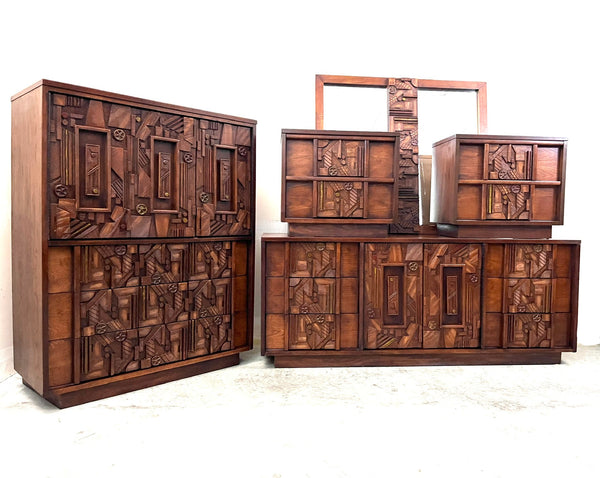
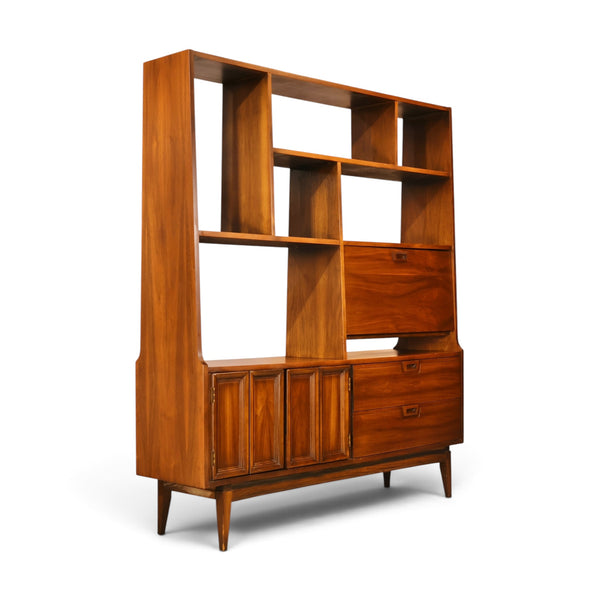
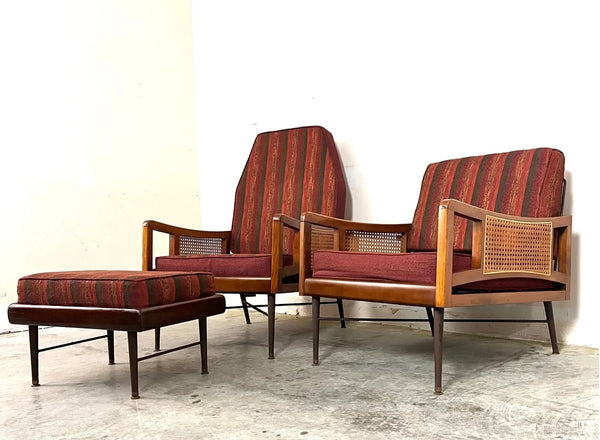
Shopping for a mid century modern credenza for sale? Browse our hand-picked selection below. Our curated collection of vintage mid-century modern credenzas, sideboards, and bar cabinets represents the finest examples from America's golden age of furniture design. Featuring iconic pieces from Lane, Broyhill, Kent Coffey, and other celebrated manufacturers, each piece combines sculptural beauty with generous storage—making them the perfect statement piece for living rooms, dining rooms, and home offices.
Era1950s–1970s
StylesCredenzas · Sideboards · Bars
MaterialsWalnut · Rosewood · Oak
Price Range$800–$4,000+
Why Collect Vintage Credenzas
The mid-century credenza is one of the most versatile and sought-after furniture forms of the 20th century. Originally designed as elegant storage pieces for dining rooms, credenzas have become the go-to statement piece for modern interiors—serving as media consoles, entryway pieces, home office storage, and living room focal points. Their long, low silhouettes and warm wood tones complement virtually any design aesthetic.
What makes vintage credenzas particularly compelling is the quality of design and construction that defined the mid-century era. American manufacturers like Lane, Broyhill, Kent Coffey, and Bassett invested heavily in distinctive design details—sculpted arches, dovetail inlays, carved panels, rosewood accents—that gave their credenzas genuine artistic character. These decorative elements, combined with solid hardwood construction and quality joinery, produced furniture that has endured beautifully for over half a century.
Sideboards and bar cabinets from this era share the credenza's elegant proportions while offering specialized storage configurations. Sideboards typically feature a combination of drawers and cabinet space ideal for dining room service, while bar cabinets include interior fittings for bottles, glasses, and barware—perfect for entertaining.
“
A great vintage credenza is the anchor piece of any room. Nothing else delivers the same combination of sculptural beauty, practical storage, and warm mid-century character—it's the piece that ties everything together.
— Mod City Mad
Featured Collections
Lane Credenzas
Lane Furniture produced some of the most iconic credenzas of the mid-century era. The Acclaim series features the celebrated dovetail inlay, Staccato showcases bold rhythmic carving, and First Edition offers elegant inlaid banding. Lane credenzas combine distinctive design with reliable construction quality. Values range from $1,200–$4,000+.
Broyhill Brasilia Credenzas
The Broyhill Brasilia credenza is one of the most recognized mid-century furniture forms. Featuring the signature sculpted arch motif on sliding doors, generous interior storage, and warm walnut construction, Brasilia credenzas deliver bold visual impact. Values range from $1,500–$4,000+.
Kent Coffey Perspecta Credenzas
Perspecta credenzas feature dramatic rosewood inlay panels contrasting against warm walnut cases—creating one of the most visually striking credenza designs of the era. The bold two-tone aesthetic makes these pieces genuine showstoppers. Values range from $1,500–$4,000+.
Bassett & Other Manufacturers
Our collection also includes credenzas from Bassett (including the dramatic Mayan collection), American of Martinsville, United Furniture, and other quality mid-century manufacturers. Each offers distinctive design character and solid construction. Values range from $800–$3,000+.
Buying Guide
When selecting a vintage credenza, consider the piece's intended use. For media consoles, look for models with cable management-friendly interiors and sufficient depth for electronics. For dining room service, prioritize pieces with a mix of drawers and cabinet space. For home office use, consider credenzas with adjustable interior shelving. Dimensions matter—measure your space carefully and account for the piece's visual footprint in the room.
Condition evaluation should focus on structural integrity, drawer operation, and surface quality. Check that doors slide or swing smoothly, drawers operate without sticking, and the case sits level. Examine surfaces for finish integrity, veneer condition, and any water damage. Original hardware adds value, though replacement hardware is acceptable if period-appropriate.
Our pieces are sold as-is in their authentic vintage condition. For collectors seeking restored examples, we offer optional professional restoration through our in-house workshop. All pieces ship worldwide with insurance.
Frequently Asked Questions
What is the difference between a credenza, sideboard, and buffet?
A credenza typically features sliding doors and sits lower to the ground, originally designed for office or living room use. A sideboard is a dining room storage piece with hinged doors and drawers, often with a higher profile. A buffet is similar to a sideboard but may include a hutch or upper display section. In mid-century design, these terms are often used interchangeably.
Can I use a vintage credenza as a TV console?
Vintage credenzas make excellent TV consoles. Their long, low profile is ideal for supporting televisions, and the interior storage accommodates media components, gaming consoles, and cable boxes. Most credenzas can be modified with discreet cable management holes if needed. Ensure the credenza's depth accommodates your equipment.
What is the typical price range for vintage credenzas?
Entry-level credenzas from quality manufacturers start around $800–$1,200. Pieces from iconic collections like Lane Acclaim, Broyhill Brasilia, or Kent Coffey Perspecta typically range from $1,500–$4,000+. Exceptional examples, rare configurations, or professionally restored pieces can command higher prices.
Shop by Brand
Frequently Asked Questions About Vintage Mid-Century Modern Credenzas
What is a mid-century modern credenza?
A credenza is a low, horizontal storage cabinet—typically between 54 and 84 inches wide and 24 to 32 inches tall—designed to sit along a wall in a dining room, living room, or home office. In the mid-century modern era, credenzas became one of the defining pieces of the aesthetic: long, low profiles with tapered legs that gave rooms a sense of horizontal expansiveness, paired with sliding doors, fold-down fronts, or bi-fold panels that concealed organized interior storage. MCM credenzas were produced in enormous variety—from everyday production pieces to designer originals—and remain among the most sought-after vintage furniture categories today.
What is the difference between a credenza and a sideboard?
The terms credenza and sideboard are often used interchangeably for low horizontal storage cabinets, and the distinction is largely semantic in common usage. Historically, a sideboard was specifically used in dining rooms for serving and storing dining accessories, while a credenza originated in Italian Renaissance furniture as a display cabinet. In practice, mid-century modern collectors and dealers use both terms to describe the same type of piece: a low, long cabinet on legs. The term "buffet" is also used for the same piece when it appears in a dining room context. Most buyers treat all three terms as equivalent.
What wood is used in vintage MCM credenzas?
The most common wood in authentic mid-century modern credenzas is walnut—specifically American black walnut, prized for its rich chocolate-brown tones with golden undertones and fine, straight grain. Walnut credenzas were produced by virtually every major MCM manufacturer from Dunbar and Herman Miller to Lane, Drexel, and Broyhill. Teak is the dominant wood in Scandinavian MCM credenzas, while oak appears in American production furniture and rosewood in the most premium pieces. Mahogany was used in some earlier transitional pieces from the late 1940s and early 1950s.
How do I authenticate a vintage MCM credenza?
Authentication starts with the manufacturer's label, which is typically found inside a door or drawer, on the back panel, or underneath the piece. Construction quality tells you more: authentic mid-century credenzas have solid wood or quality veneer construction, dovetailed drawer joints, smooth hardware, and legs that are securely integrated into the frame rather than bolted on as an afterthought. The wood tone, grain matching across panels, and hardware style should be consistent and period-appropriate. Be cautious of pieces with recently replaced hardware, signs of structural repair, or inconsistent finishes that may indicate significant restoration or a later reproduction.
What should I look for when buying a vintage credenza?
Prioritize structural integrity above all: check that legs are solid, doors hang straight and open smoothly, drawers slide without binding, and the top surface has no delaminating veneer. Minor surface scratches and worn finish are expected and repairable—they are not dealbreakers. Check interior condition: original shelf brackets, intact drawer bottoms, and functioning locks all add value and suggest the piece has been well-kept. For designer pieces, verify labels and compare against catalog documentation. Consider dimensions carefully—credenzas range from compact 54-inch pieces to grand 84-inch statement pieces, so measure your space before purchasing.
Want to learn more? Read our in-depth Credenzas Sideboards Bar Collector's Guide — covering history, authentication, value, and buying tips.
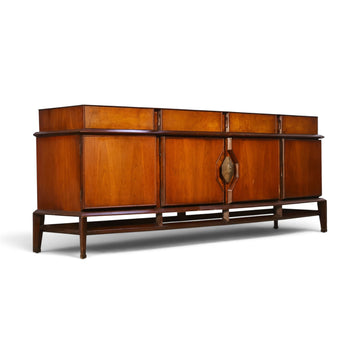
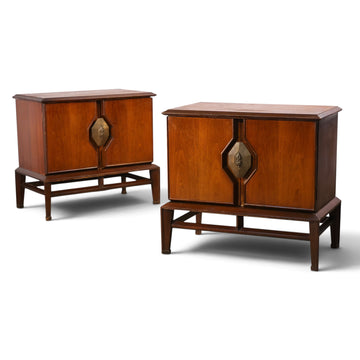
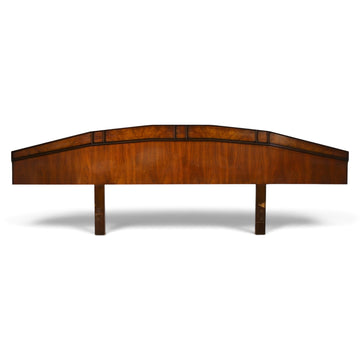
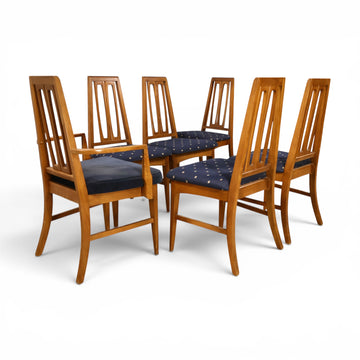
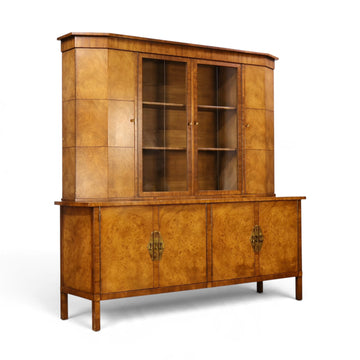
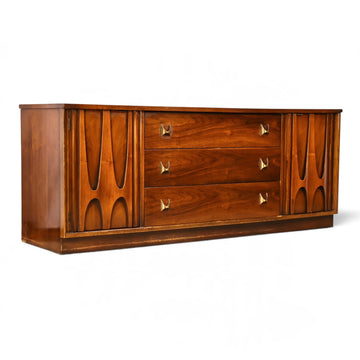
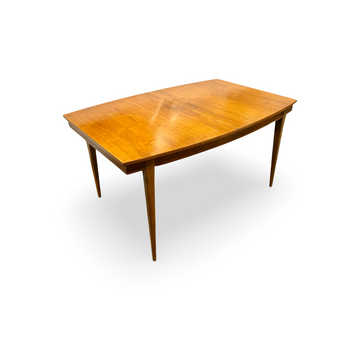
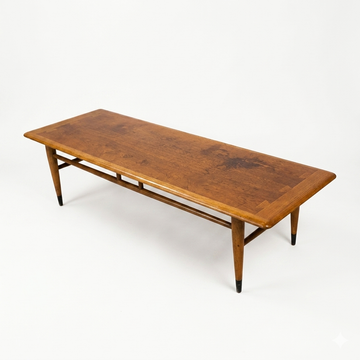
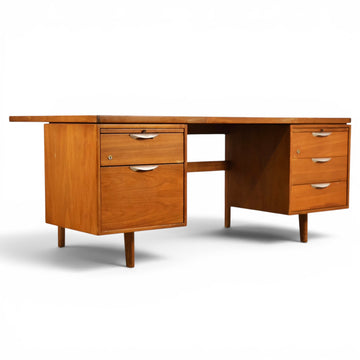

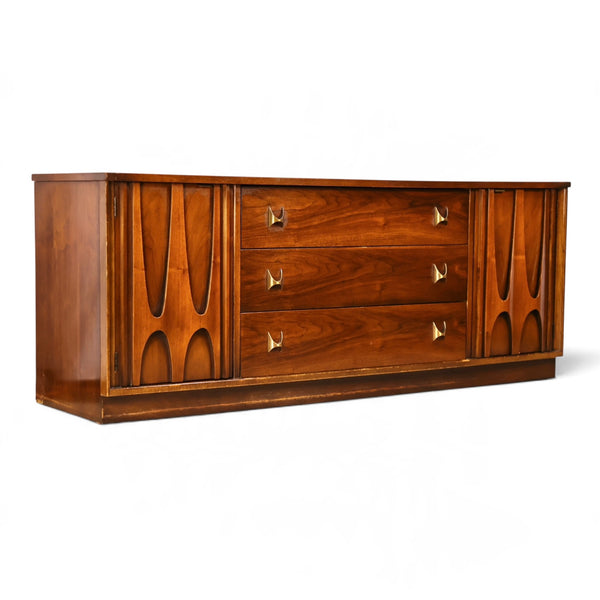 No. 0677BroyhillCredenza$2,475 as pictured$2,975 restored
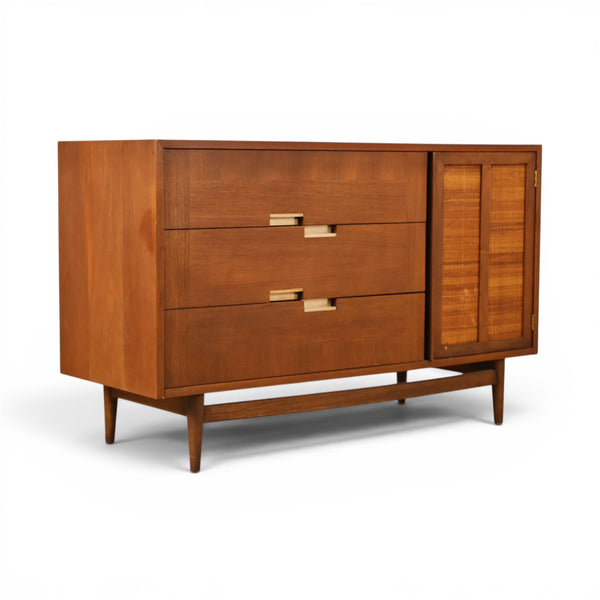 No. 0627American of MartinsvilleCredenza$1,775 as pictured$2,275 restored
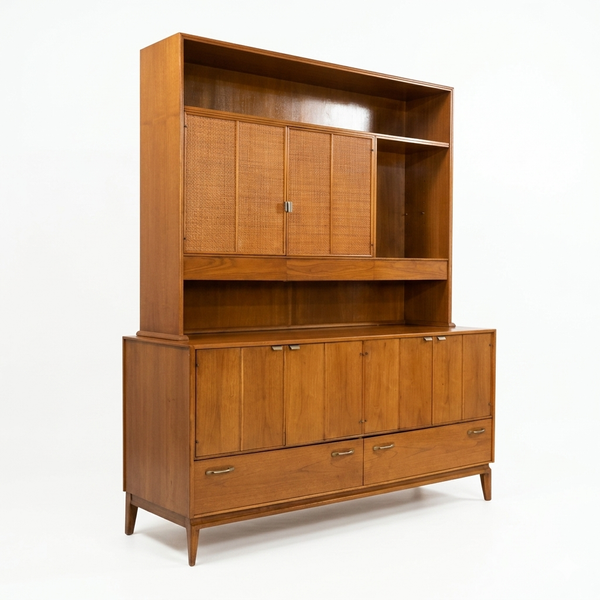 No. 0588Red LionChina cabinet$2,575 as pictured$3,175 restored
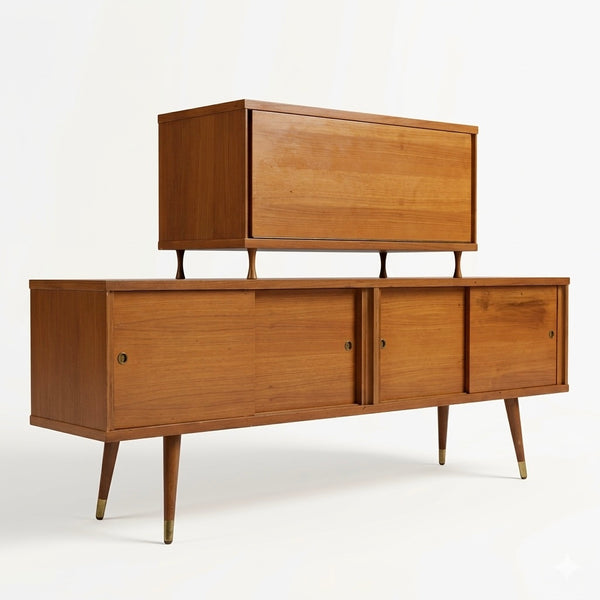 No. 0489Atomic StyleBar Cabinet$1,975 as pictured$2,675 restored
 No. 0589FoundersCredenzaSold
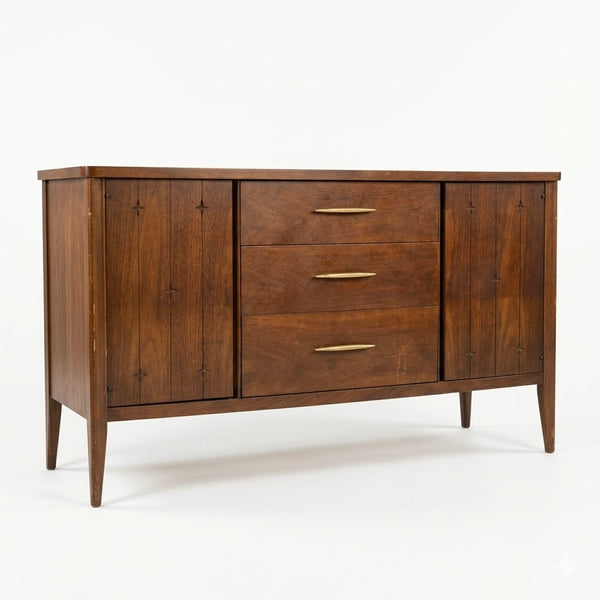 No. 0480BroyhillCredenzaSold
 United FurnitureCredenzaSold
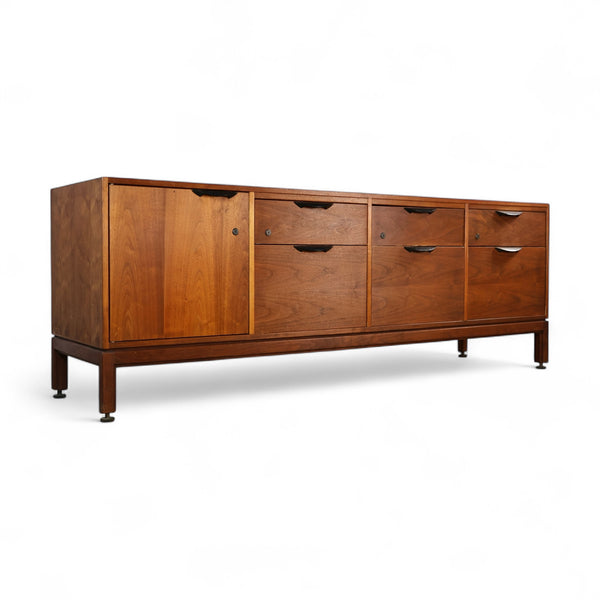 Jens RisomCredenzaSold
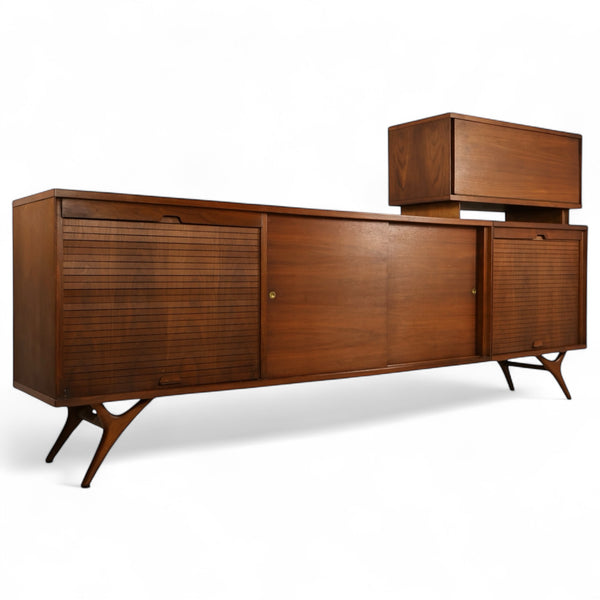 Vladimir Kagan StyleCredenzaSold
 Young ManufacturingCredenzaSold
 RomweberCredenzaSold
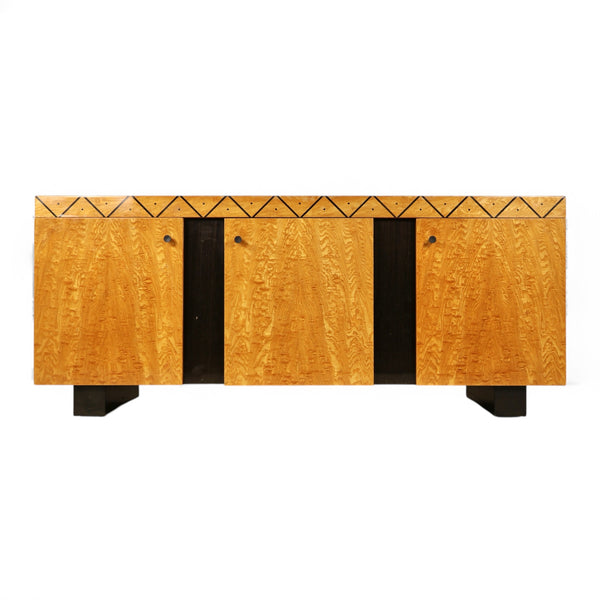 PaceCredenzaSold
 Craft AssociatiesBar CabinetSold
 Craft AssociatiesCredenzaSold
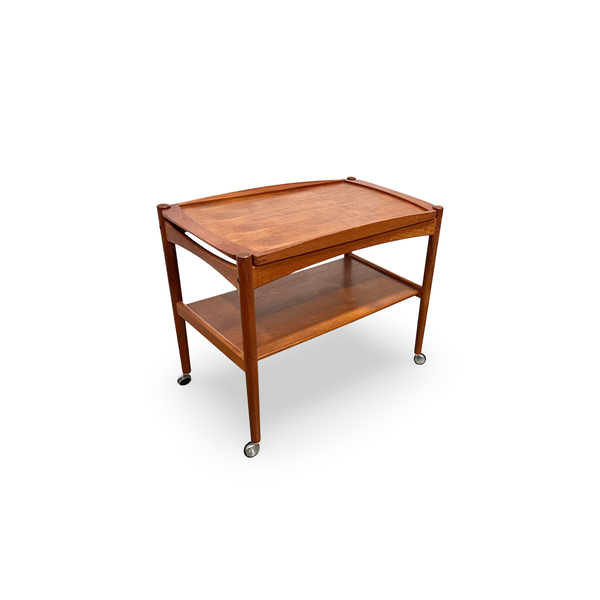 Poul HundevadBar CabinetSold
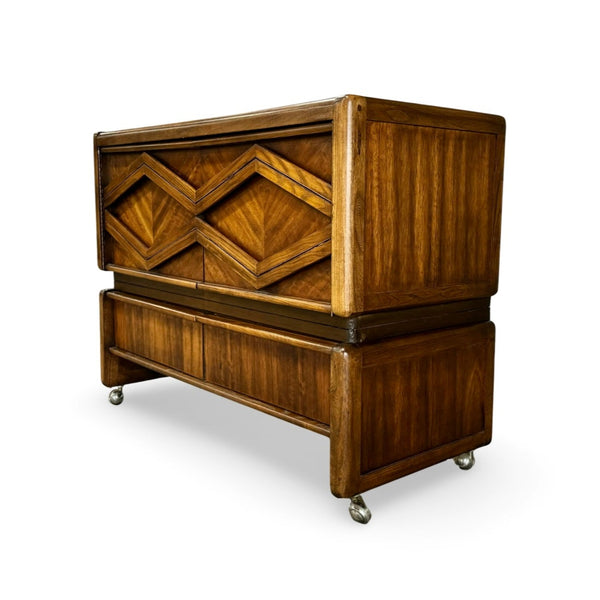 PulaskiBar CabinetSold