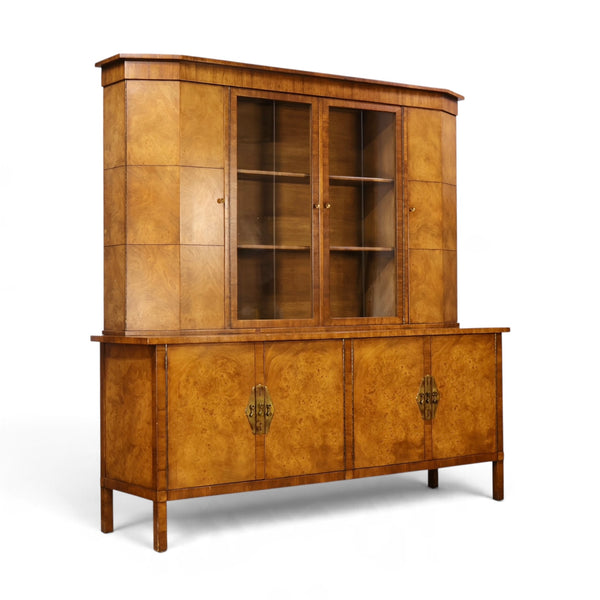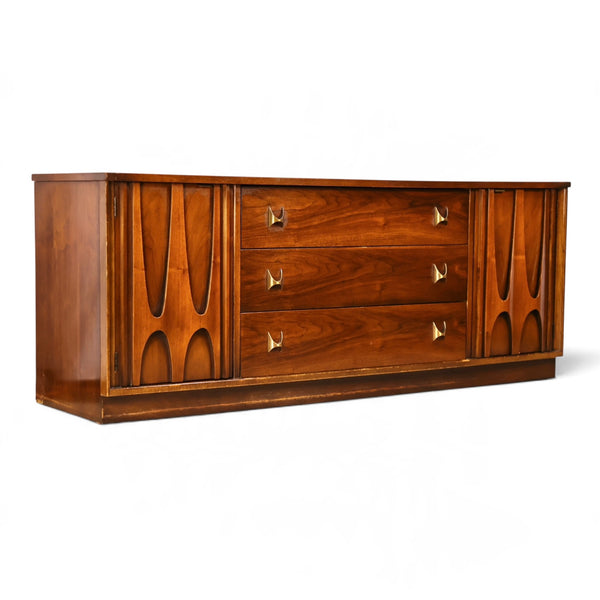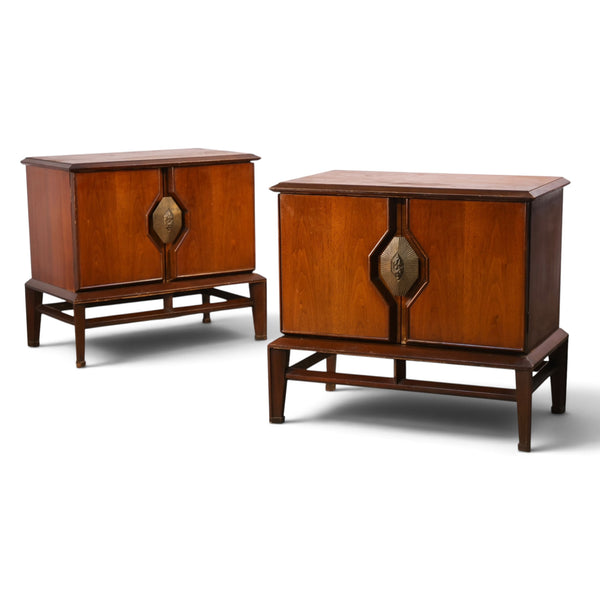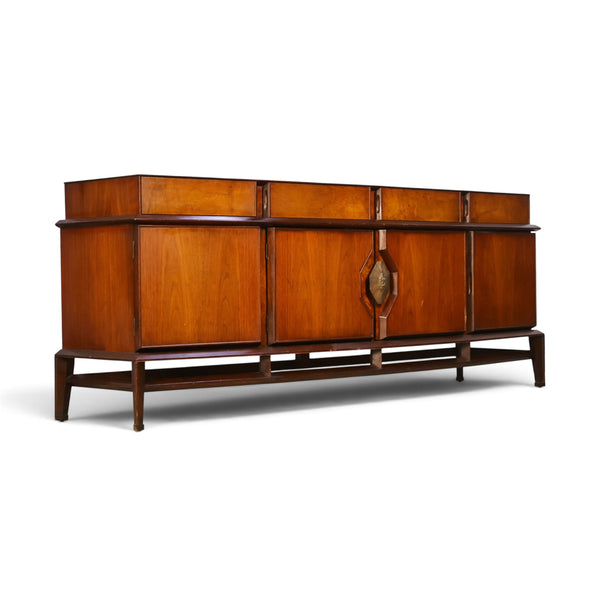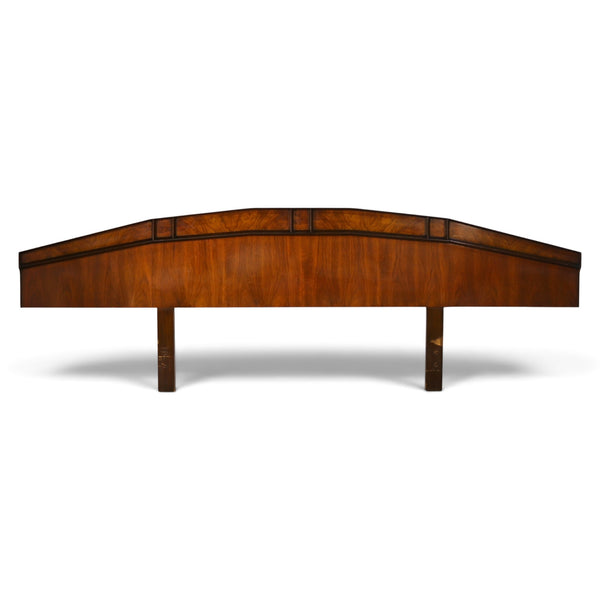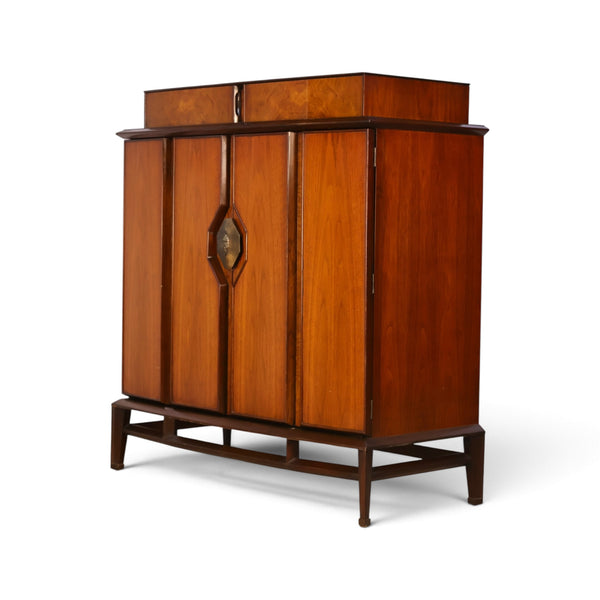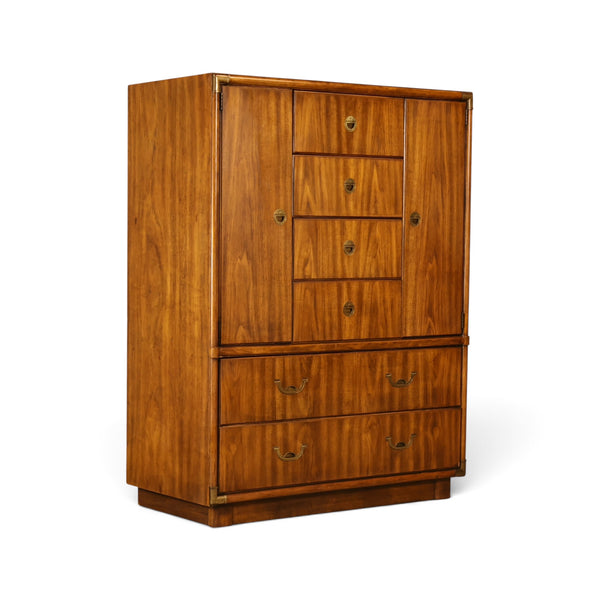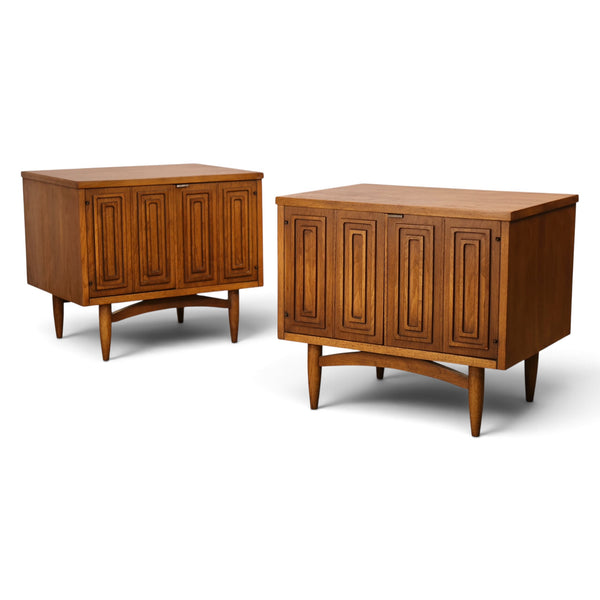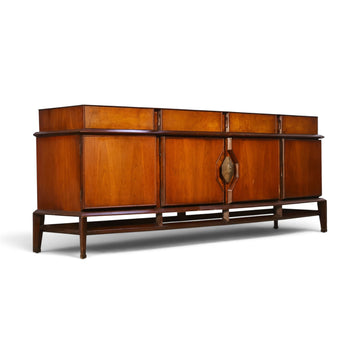
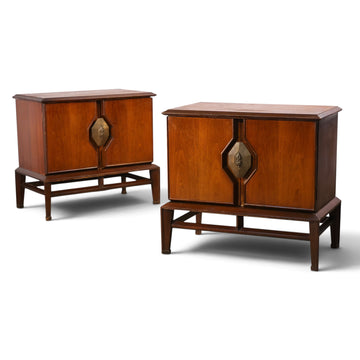
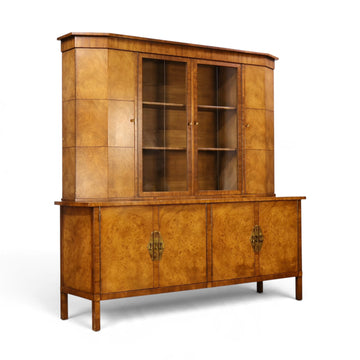
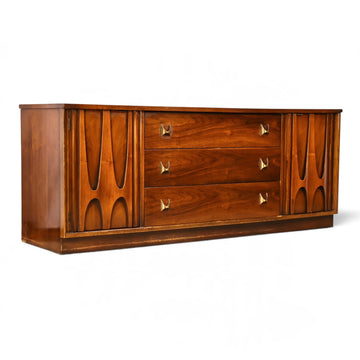
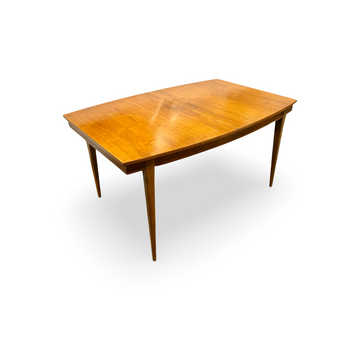
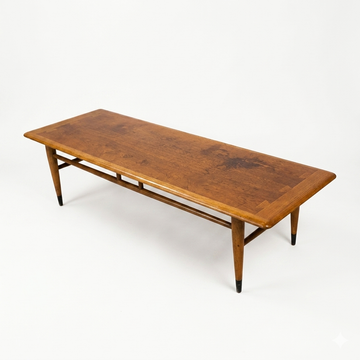
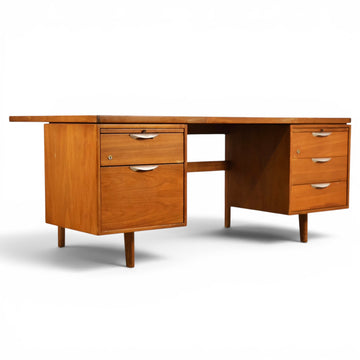
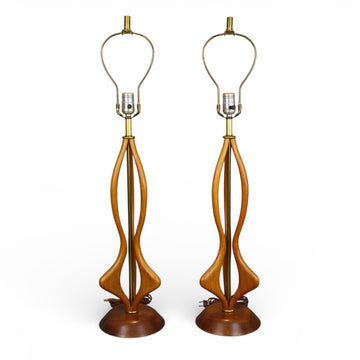
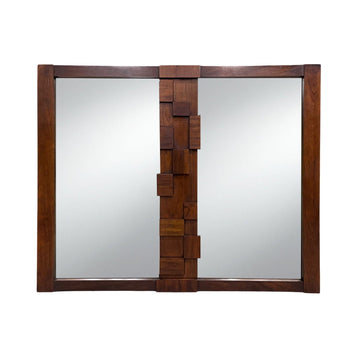


You've just brought home a beautiful piece of vintage mid-century modern furniture — a walnut dresser, a teak credenza, a solid mahogany sideboard. Now the question is: how do you keep it looking this good for the next 50 years? Vintage wood furniture requires a different approach than modern pieces finished with polyurethane or lacquer. This guide covers everything you need to know: cleaning, conditioning, protecting against humidity and sunlight, dealing with minor damage, and the products and techniques that actually work.
Understanding Vintage Wood Finishes
Before you apply anything to a vintage piece, you need to understand what finish you're working with. The approach that works beautifully on an oil-finished teak credenza can damage a lacquered Heywood-Wakefield dresser. MCM-era furniture used several different finish types:
Oil Finishes (Most Common on Teak and Scandinavian Pieces)
Teak and many Scandinavian MCM pieces were finished with tung oil, Danish oil, or raw linseed oil. Oil finishes penetrate the wood rather than sitting on the surface, giving the piece a natural, low-sheen look. They're relatively easy to maintain and refresh — but they require periodic re-oiling as they dry out over time.
How to identify: Oil-finished pieces look matte to satin. Water beads on new oil finishes; older, dried-out oil finishes may show a chalky or grayish surface on the wood.
Lacquer Finishes (Common on American Production Furniture)
Most American MCM production furniture — Broyhill, Lane, Drexel, Bassett — was finished with nitrocellulose lacquer, which dries hard and creates a more protective surface barrier. Lacquered pieces have a clearer, more defined sheen.
How to identify: Lacquered surfaces look shinier and more uniform. You can often see the finish layer separate from the wood if you look at a worn edge. Lacquer is also more susceptible to water rings and alcohol damage than oil finishes.
Varnish and Shellac (Older Pieces)
Some MCM-era pieces, particularly those from smaller manufacturers or earlier in the period, used varnish or shellac. Shellac is especially sensitive to alcohol and water. A simple test: dab a small amount of denatured alcohol on an inconspicuous spot — if the finish dissolves or becomes tacky, it's shellac.
Wax Finishes
Some pieces were finished with paste wax over a base coat of oil or shellac. Wax finishes are soft, build up easily over time, and can appear yellowed or cloudy on older pieces.
Daily and Weekly Care: The Basics
Dusting
Dust is mildly abrasive and traps moisture. Dust vintage wood furniture regularly — ideally weekly — with a soft, lint-free cloth. Microfiber cloths work well. Avoid feather dusters, which can scratch delicate finishes, and dry paper towels, which are surprisingly abrasive on polished wood.
Always dust with the grain, not against it.
Avoid Commercial Spray Polishes
This is the most important rule of vintage wood care: avoid products like Pledge and most commercial spray polishes. These products typically contain silicone, which temporarily makes wood look great but builds up over time, creates a hazy film, and makes future refinishing nearly impossible. They also don't nourish the wood — they just add a temporary sheen that masks the finish underneath.
One exception: some wax-based aerosol products (like Briwax Spray) are silicone-free and acceptable for wax-finished pieces. Always check the ingredients.
Cleaning
For routine cleaning, a barely damp cloth is all you need. Wring it out so it's just slightly moist — never wet. Wipe surfaces down, then immediately follow with a dry cloth. Standing moisture is the enemy of vintage wood finishes.
For greasier buildup (common on dining tables and kitchen furniture), add a tiny drop of dish soap to your damp cloth. Wipe with the soapy cloth, then follow with a clean damp cloth to remove any soap residue, then dry immediately.
Conditioning and Protecting Wood
For Oil-Finished Pieces (Teak, Danish Furniture)
Oil-finished teak and Danish furniture needs periodic re-oiling — typically once or twice a year depending on how dry your environment is. Signs that your piece needs oil: the wood looks dull, ashy, or grayish; the surface feels rough or dry rather than smooth.
Products that work well:
- Teak oil or Danish oil: Apply with a clean cloth, let penetrate for 15–20 minutes, then wipe off all excess. Leaving excess oil on the surface leads to a sticky, gummy finish. Let dry completely (24–48 hours) before using.
- Pure tung oil: More durable than most commercial Danish oils, which are often blended. Slower drying but excellent results.
- Boiled linseed oil: Traditional and effective, but dries slowly. Avoid raw linseed oil on furniture — it dries very slowly and stays tacky.
See our detailed vintage teak furniture buyer's guide for more on teak-specific care.
For Lacquered Pieces (American MCM Production Furniture)
Lacquered surfaces don't absorb oil — they need to be cleaned, not conditioned. After cleaning, you can apply a thin coat of paste wax to add protection and sheen.
Good paste wax options:
- Paste wax (Johnson's, Briwax, or Renaissance Wax): Apply a thin coat with a soft cloth, let haze slightly (5–10 minutes), then buff with a clean cloth. Work in small sections. Wax once or twice a year.
- Renaissance Wax: The museum-standard choice for high-value pieces. More expensive but excellent protection and a beautiful finish.
Do not apply oil products to lacquered surfaces — they won't absorb and will leave a greasy residue.
For Pieces You're Not Sure About
When in doubt, start with the mildest intervention: a barely damp cloth to clean, followed by a thin coat of paste wax. Paste wax is compatible with virtually all vintage finishes and won't cause problems if you've misjudged the finish type.
Protecting Against Environmental Damage
Sunlight
UV light is one of the primary enemies of vintage wood furniture. Direct sunlight fades and dries out finishes, and causes uneven color changes that are difficult to reverse. Walnut, in particular, can fade significantly with prolonged UV exposure — becoming lighter and losing its rich brown tones.
Position vintage furniture away from direct sunlight where possible. If you can't avoid a sunny room, use UV-filtering window film or keep blinds drawn during peak sun hours. Rotate pieces or objects on surfaces periodically to avoid uneven fading.
Humidity
Wood is a living material that expands and contracts with changes in humidity. Extreme dryness causes cracking and veneer lifting; excessive moisture causes swelling, warping, and mold. The ideal range for vintage furniture is 40–60% relative humidity.
In dry climates or during winter heating season, use a humidifier to keep levels above 35%. In humid climates or summer months, air conditioning and dehumidifiers help keep moisture in check. Avoid placing vintage furniture near heating vents, radiators, or air conditioning units — the localized temperature and humidity swings are hard on wood.
Heat Sources
Placing furniture directly next to or above heat sources — radiators, floor vents, fireplaces — causes rapid moisture loss, finish checking (fine surface cracks), and veneer problems. Maintain at least 18–24 inches of clearance from any heat source.
Water and Liquids
Always use coasters under glasses and cups. Even "waterproof" modern finishes can be compromised by standing water, and vintage lacquer and oil finishes are more vulnerable. A wet glass left on a walnut table for an hour can create a white ring that takes significant effort to remove.
If a spill occurs: blot immediately — don't wipe, which spreads the liquid — and dry the area completely.
Dealing with Common Damage
White Water Rings
White rings or haze indicate moisture trapped in or under the finish. On lacquered pieces, try rubbing with a small amount of mayonnaise or petroleum jelly on a soft cloth — the oil can displace the trapped moisture. Let sit for an hour, then wipe clean. This works on mild rings; deep rings may require light refinishing.
On oil-finished pieces, sand very lightly with 400-grit sandpaper and re-oil the area.
Surface Scratches
Minor scratches in the finish (not the wood itself) can often be reduced with a matching furniture touch-up marker or by rubbing a shelled walnut along the scratch — the natural oils in the nut can help fill and obscure light surface marks on walnut furniture. For deeper scratches that go into the wood, wax-based fill sticks in matching colors can be effective.
Veneer Lifting or Bubbling
If veneer is lifting at an edge or seam, the sooner you address it the better — left alone, it will continue to lift and may crack or break off. Apply a small amount of wood glue under the lifted section with a toothpick, press down firmly, wipe away excess glue, and clamp or weight the area for 24 hours. A rolling pin wrapped in a cloth works well to press out air bubbles in veneer.
Sticky or Gummy Surfaces
A sticky finish usually means old wax buildup, silicone residue from commercial polishes, or a deteriorating varnish. Clean with a mixture of equal parts white vinegar and water, or use mineral spirits on a cloth (test in an inconspicuous area first). For severe cases, a complete strip and refinish may be needed.
When to Restore vs. When to Preserve
There's an ongoing debate in the vintage furniture world about whether to restore pieces to like-new condition or preserve them with their original patina. There's no universal right answer — it depends on the piece, the damage, and your goals.
Preservation is often preferable for rare, museum-quality pieces where original finish integrity is part of the value. Restoration makes more sense for everyday pieces with significant functional damage, missing hardware, or finishes that have deteriorated beyond preservation.
At Mod City Mad, we restore select pieces in-house when restoration adds more value than it subtracts. Our restored furniture collection shows what's possible. Read more about our approach in the MCM furniture restoration guide.
Products We Recommend
A short list of reliable products for vintage wood care:
- Cleaning: Murphy's Oil Soap (diluted), Howard Feed-N-Wax, or simply water + mild dish soap
- Oil finishing: Watco Danish Oil, pure tung oil, or Howard Teak Oil for teak pieces
- Paste wax: Johnson's Paste Wax, Briwax (neutral or colored), Renaissance Wax
- Touch-up markers: Minwax Wood Finish Stain Markers in matching wood tones
- Veneer glue: Titebond Original Wood Glue (yellow woodworking glue)
Avoid: Pledge and silicone-based sprays, WD-40 on wood, olive oil or vegetable cooking oils (they go rancid), and any product not specifically designed for wood care.
Frequently Asked Questions
Can I use olive oil or coconut oil on vintage furniture?
No. Cooking oils — olive oil, coconut oil, vegetable oil — go rancid when applied to furniture and will eventually produce an unpleasant smell and a sticky, deteriorating surface. Use only purpose-made wood oils: tung oil, Danish oil, or teak oil.
How often should I oil teak furniture?
In typical indoor conditions, once or twice a year is usually sufficient. If you live in a very dry climate or use forced-air heating extensively in winter, you may need to oil more frequently. The wood will tell you: when it starts to look dull, chalky, or grayish, it's time for another coat.
My vintage piece has a white haze on the finish — what is it?
White haze is usually trapped moisture in the finish (called "blushing"), old wax buildup, or silicone residue from commercial polishes. Try cleaning with a barely damp cloth first. If the haze persists, gently rub with a cloth dampened with mineral spirits (test in a hidden area first) to cut through wax or silicone buildup.
Is it bad to put plants near vintage furniture?
It can be. Plant pots can leak and cause localized high moisture or direct water exposure. Always use waterproof saucers, elevate pots away from the wood surface, and periodically check for moisture damage underneath plant displays.
What's the best way to clean drawer interiors?
Vacuum out debris first. For odors (musty smells are common in vintage drawers), place a few activated charcoal odor absorbers inside for a week, or use crumpled newspaper. Wipe interiors with a barely damp cloth and let dry completely. Cedar sachets are excellent for ongoing odor control and have the bonus of repelling insects.