
-
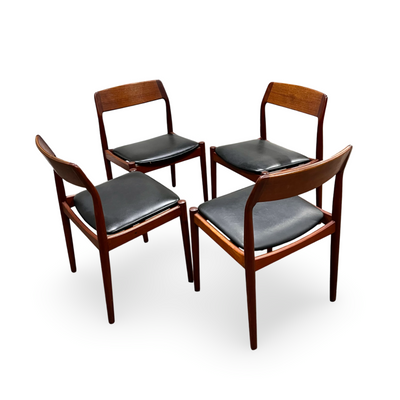
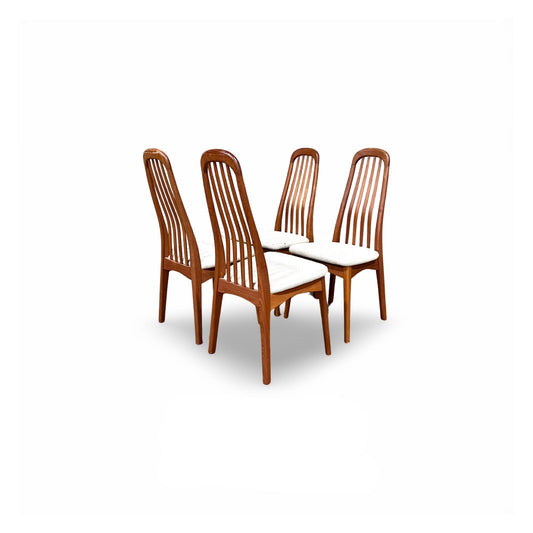
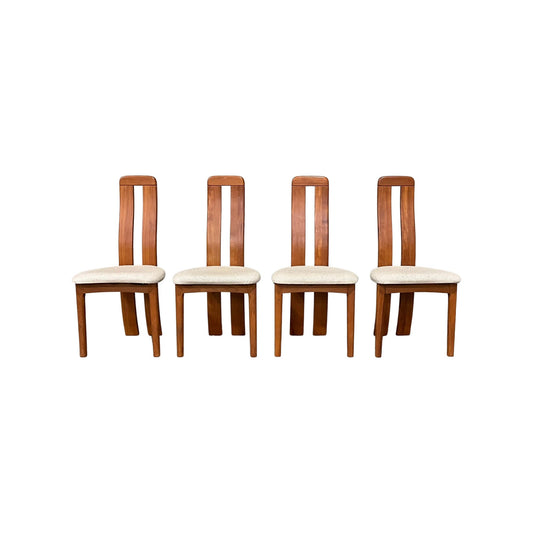
Scantic Mobelvaerk Set of 4 Mid Century Danish Modern Vintage Dining Chairs c. 1960s
Vendor:Scantic MobelvaerkRegular price $2,395.00 USDRegular priceUnit price per -
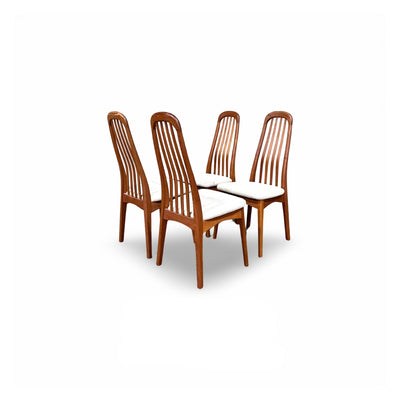
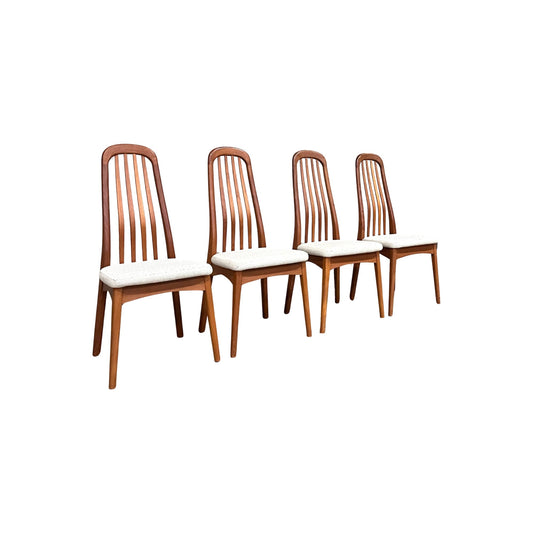
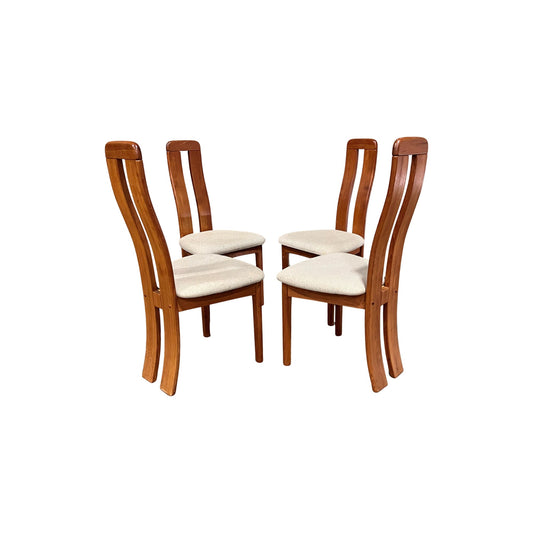
Benny Linden set of Four Teak Danish Mid Century Modern Dining Chairs c. 1960s
Vendor:Benny LindenRegular price $1,695.00 USDRegular priceUnit price per -
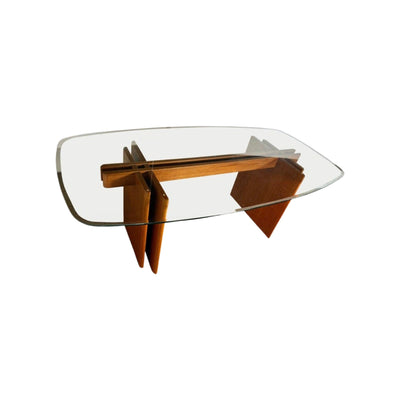
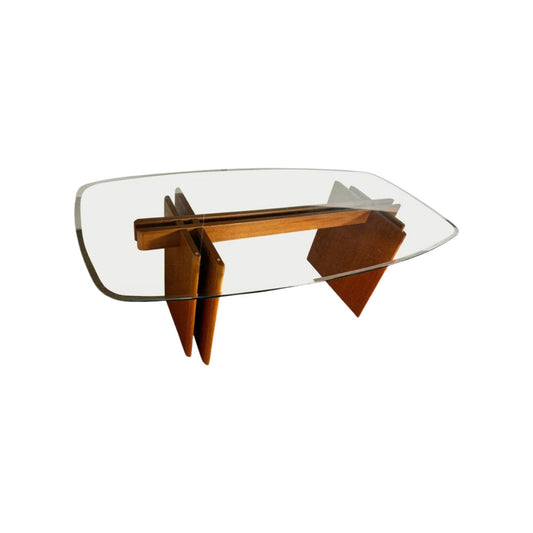
Gustav Gaarde for Trekanten Danish Mid Century Modern Glass and Teak Dining Table
Vendor:Gustav GaardeRegular price $1,895.00 USDRegular priceUnit price per -
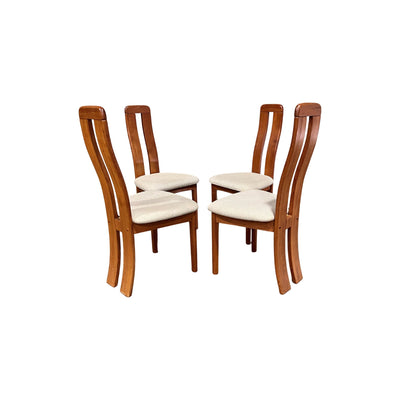
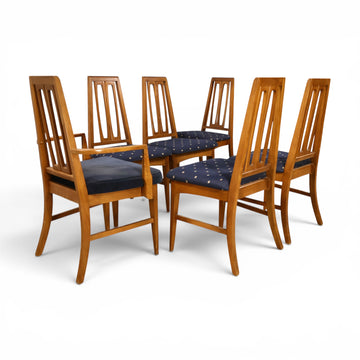
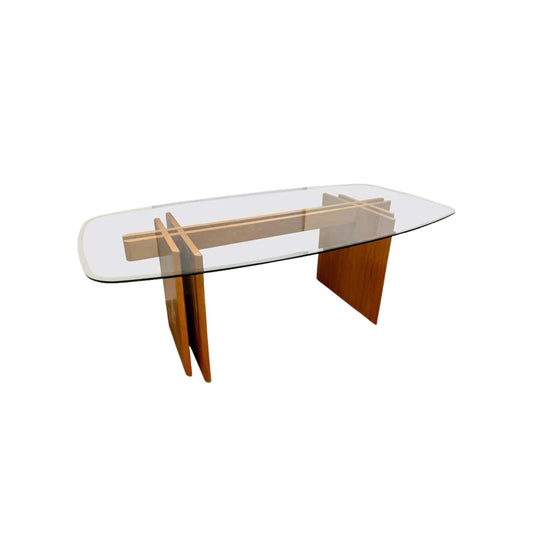
Benny Linden Danish Mid Century Modern Set of 4 Highback Dining Chairs
Vendor:Benny LindenRegular price $1,495.00 USDRegular priceUnit price per -
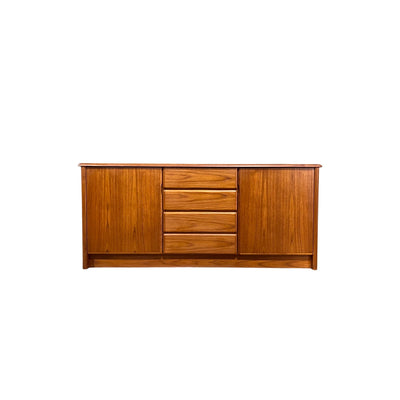
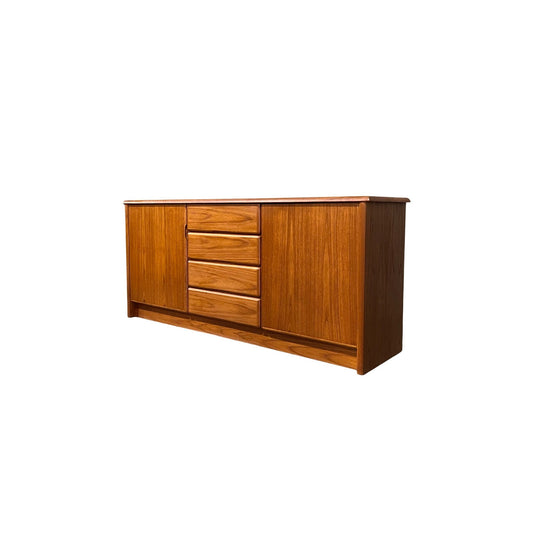
Nordic Furniture Danish Modern Teak Sideboard Credenza
Vendor:Nordic FurnitureRegular price $1,095.00 USDRegular priceUnit price per -
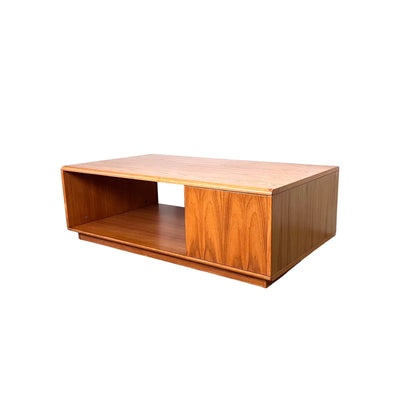
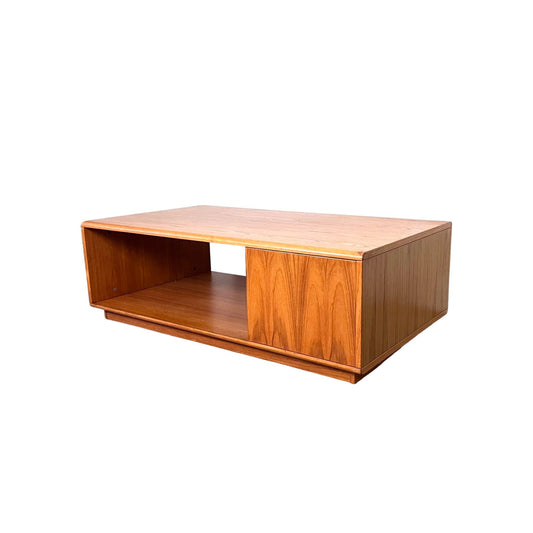
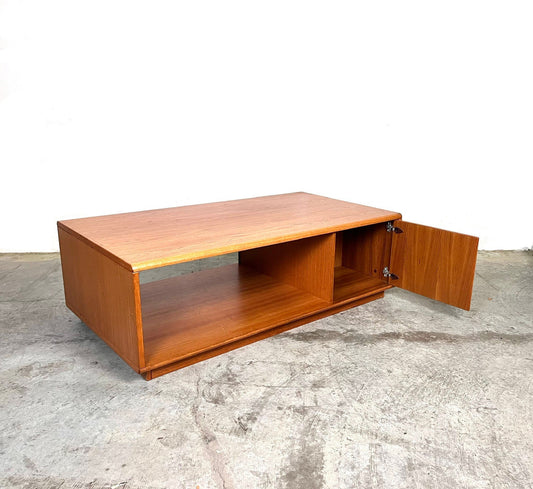
Jesper International Danish Mid Century Modern Teak Coffee Table from Denmark
Vendor:Jesper InternationalRegular price $1,295.00 USDRegular priceUnit price per -
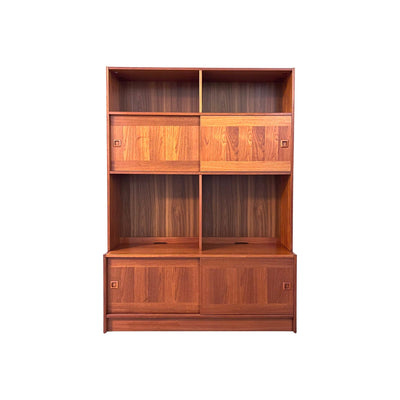
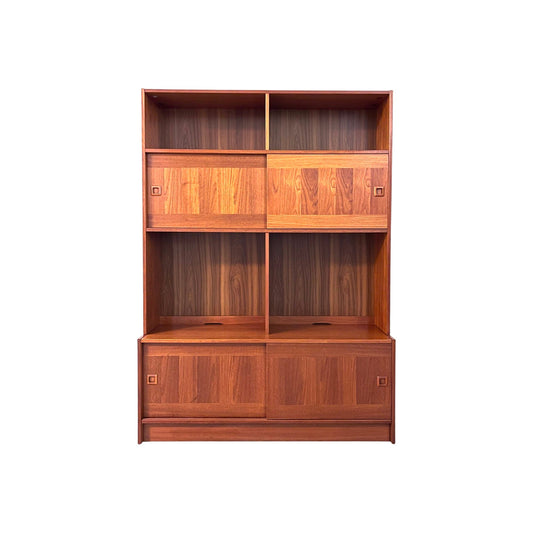
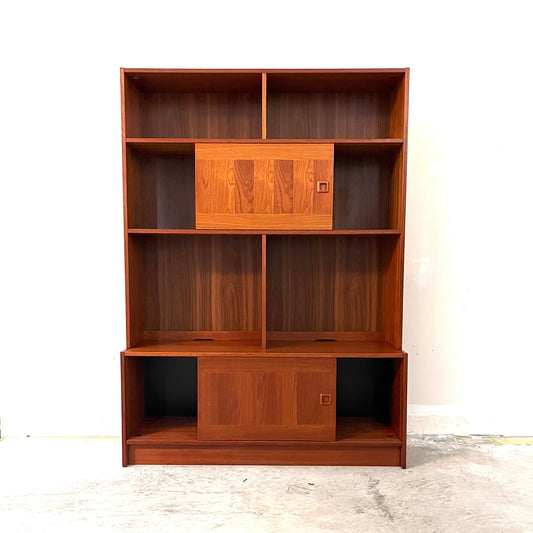
Domino Mobler Mid Century Danish Modern Teak Wall Unit Bookcase 2 Sliders c. 1960
Vendor:Domino MoblerRegular price $1,395.00 USDRegular priceUnit price per
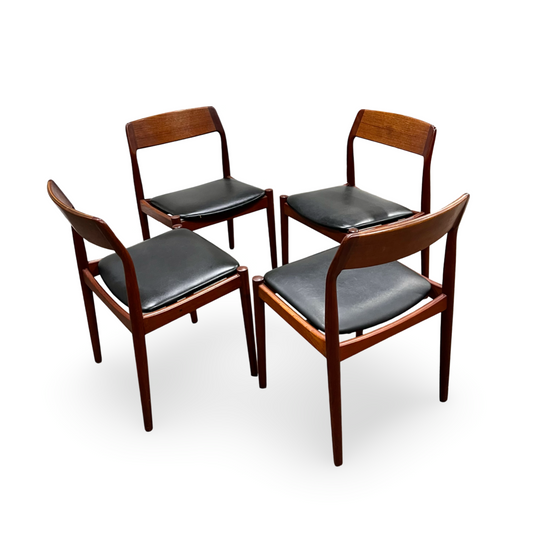
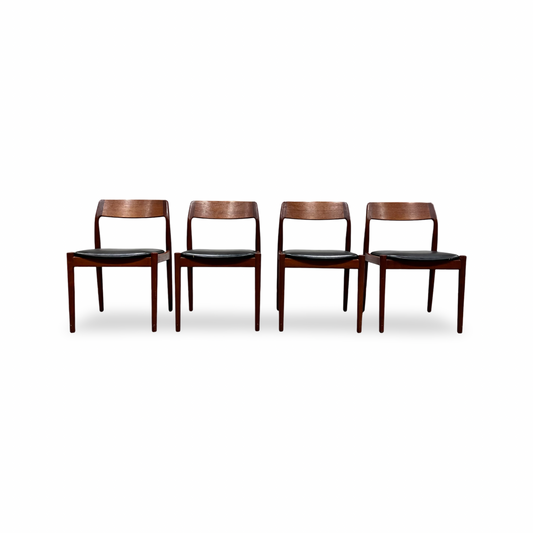

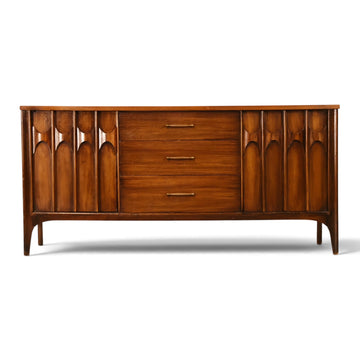
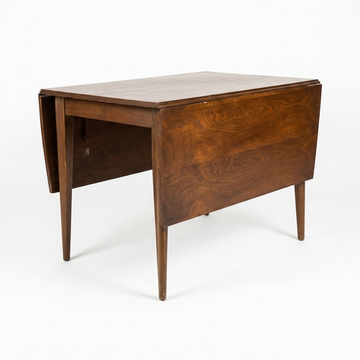
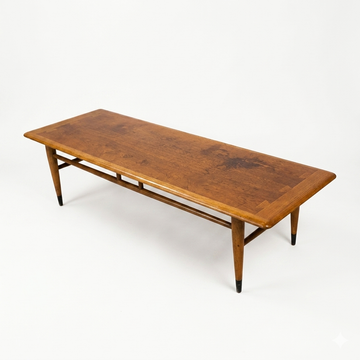
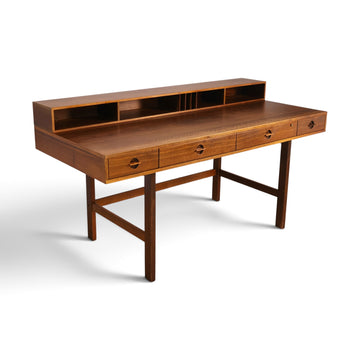
Mid Century Modern Teak Furniture
Mid-century modern teak furniture represents one of the great material achievements of twentieth-century design. Teak — a tropical hardwood native to Southeast Asia — became the defining material of the postwar modern interior, embraced by Scandinavian designers for its workability and warmth, and quickly adopted by American manufacturers who recognized its exceptional properties.
What makes teak special is a combination of characteristics no other commonly available wood quite matches. Its natural oils make it dimensionally stable, resistant to warping, and impervious to most household moisture. Its grain is tight and even, taking finish well and aging to a consistent honey-brown patina. And it machines beautifully, allowing the detailed joinery and clean profiles that define the mid-century aesthetic.
Vintage teak furniture from the 1950s and 1960s encompasses the full range of residential pieces: bedroom dressers and nightstands, dining tables and chairs, credenzas and sideboards, coffee and end tables, and case goods of every description. Scandinavian makers like Skovby dominated the category, while American manufacturers produced parallel lines adapting the Scandinavian aesthetic to domestic proportions.
At Mod City Mad, our teak furniture collection spans the full range of the category. Every piece is assessed for veneer condition, structural integrity, and finish quality before listing. We carry both as-is examples with original patina and restored pieces with fresh Danish oil or hand-rubbed topcoats.
Browse our teak collection for authentic mid-century modern furniture with the material quality and design integrity that makes the period so enduring.
Frequently Asked Questions About Vintage Teak Mid-Century Modern Furniture
Why was teak so popular in mid-century modern furniture?
Teak became the defining wood of Scandinavian mid-century modern design for several compelling reasons. Its natural oils make it exceptionally durable and resistant to moisture, warping, and insects—qualities that gave Scandinavian manufacturers confidence in its longevity. Its warm golden-brown tones and straight, fine grain photograph beautifully and complement the earthy, nature-inspired color palettes of 1950s and 1960s interiors. After World War II, teak became cost-effective for Scandinavian manufacturers importing from Southeast Asia, enabling quality production at accessible prices. American manufacturers also incorporated teak into their designs, though walnut remained the dominant choice in domestic production.
How do I care for vintage teak furniture?
Vintage teak furniture requires relatively minimal maintenance compared to other hardwoods. For regular cleaning, wipe with a soft damp cloth and mild dish soap, then dry immediately—avoid leaving water standing on the surface. Teak will naturally oxidize and lighten to a silvery-grey patina over time if left untreated; to maintain or restore the original warm golden-brown color, apply teak oil or a quality wood conditioner once or twice a year. For dried-out or faded vintage teak, a light sanding (starting with 150-grit, finishing with 220-grit) followed by fresh teak oil application is the standard restoration approach and can dramatically revive the wood's appearance.
Is vintage teak furniture solid teak or teak veneer?
Authentic mid-century Scandinavian teak furniture uses both solid teak and teak veneer, often within the same piece—a standard practice that was both resource-efficient and structurally sound. Legs, frames, and visible structural members are typically solid teak, while flat surfaces (cabinet doors, drawer fronts, tabletops) are often teak veneer over a solid core or quality plywood substrate. High-quality teak veneer is indistinguishable in appearance from solid teak and performs equally well in normal use. The key distinction matters primarily for repairs: veneer surfaces can delaminate if exposed to sustained moisture, while solid members can be refinished more aggressively.
How do I authenticate a vintage teak piece as genuinely Scandinavian?
Authentic Scandinavian teak pieces from the mid-century era often carry manufacturer or designer labels—look for Danish, Swedish, or Norwegian maker's marks inside drawers, on the back, or on the underside. Construction details are reliable secondary indicators: Scandinavian pieces typically use quality joinery (mortise and tenon, finger joints, dowels), carefully matched grain across panels, and quality hardware—often simple turned wooden pulls or brushed steel. The proportions of authentic pieces tend to be carefully considered: Scandinavian designers were deeply trained in craft tradition, so the relationship between solid and void, between structure and surface, will feel deliberate and resolved. American teak production furniture exists as well and is good quality, though it carries different labels and typically different design vocabulary.
What are the most desirable vintage teak furniture pieces?
The most sought-after vintage teak pieces include Danish modern credenzas and sideboards with elegant tapered legs and sliding doors; teak dining sets (table plus matching chairs) from respected Danish manufacturers; Hans Wegner teak chairs, particularly the Round Chair (The Chair), Wishbone Chair, and Shell Chair; Arne Jacobsen and Finn Juhl upholstered pieces with teak frames; and quality Scandinavian bedroom suites in matching teak. Danish teak furniture from makers like Niels Møller, Henning Kjaernulf, and Erik Buch has gained significant collector attention; pieces from these makers in good condition command premium prices.
Want to learn more? Read our in-depth Teak Furniture Collector's Guide — covering history, authentication, value, and buying tips.