
-
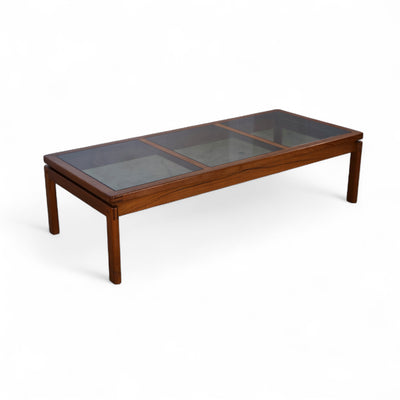
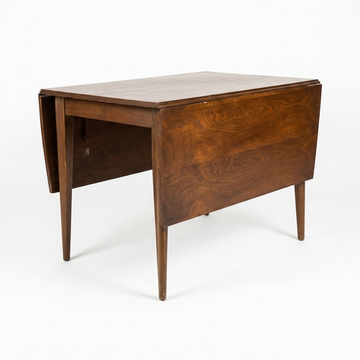
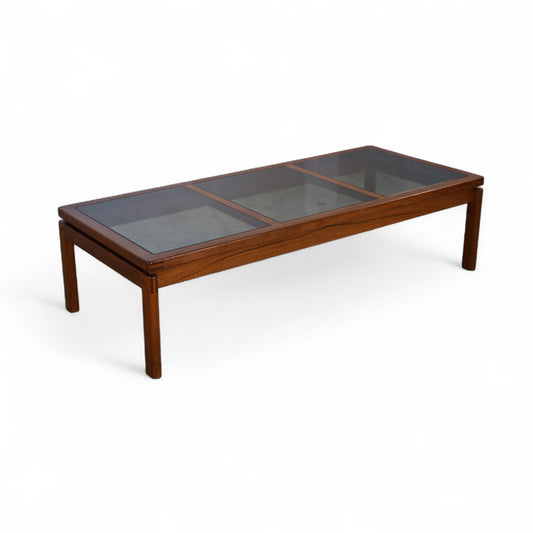
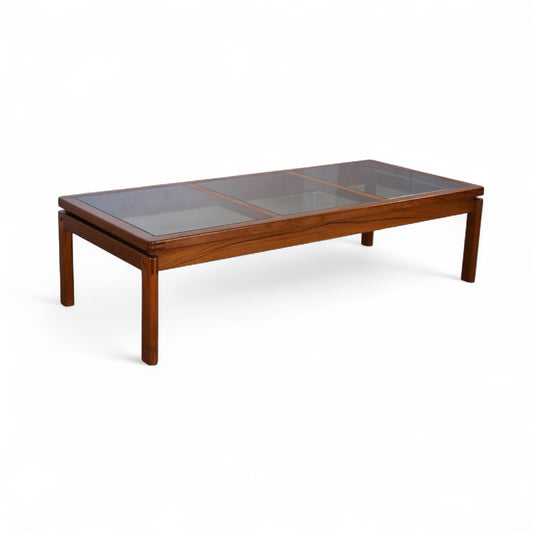
Kristiansen Thomassen Vintage Danish Mid Century Modern Teak and Smoke Glass Coffee Table
Vendor:Kristiansen ThomassenRegular price $975.00 USDRegular priceUnit price per -
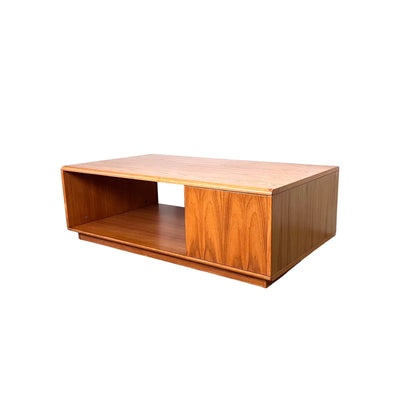
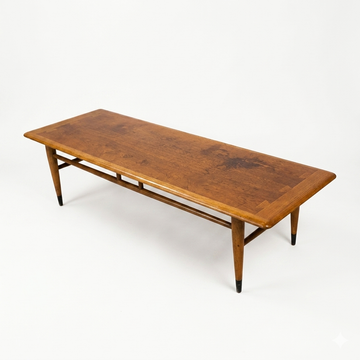
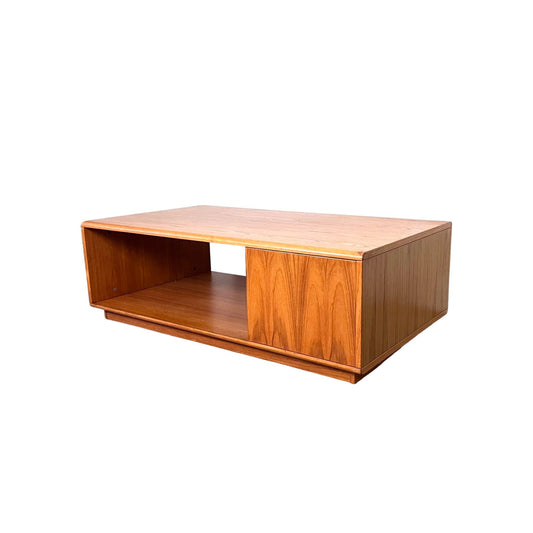
Jesper International Danish Mid Century Modern Teak Coffee Table from Denmark
Vendor:Jesper InternationalRegular price $1,295.00 USDRegular priceUnit price per
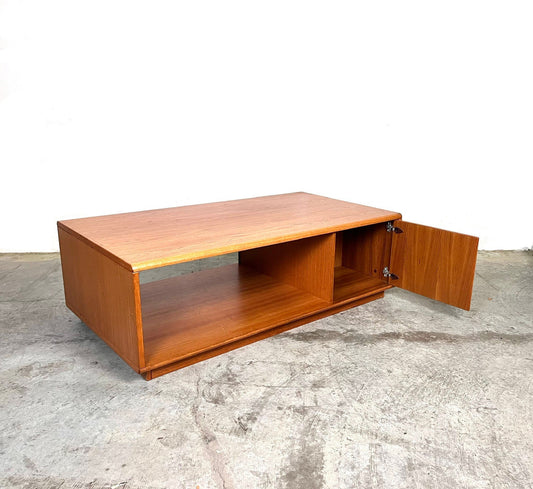
Mid Century Modern Teak Coffee Tables
Vintage teak coffee tables are among the most enduring icons of mid-century Scandinavian design. Low, horizontal, and elegantly proportioned, Danish and Swedish teak coffee tables of the 1950s and 1960s brought the same design philosophy to the living room that their dining table counterparts brought to the dining room: high-quality materials, honest construction, and a restrained aesthetic that looks equally at home in a period interior and a contemporary one. Today they are among the most popular vintage mid-century pieces in active circulation, and for good reason — they are genuinely well-made, versatile, and age beautifully.
Teak coffee tables come in an enormous variety of forms: rectangular slat-top tables with teak strip construction, solid teak slab tops with sculpted bases, drum tables on splayed legs, nested sets, and oval or rounded-rectangular shapes suited to small living rooms. The unifying characteristic is teak's warm, close-grained wood and the spare, functional design ethos that Scandinavian designers applied across every category.
Types of Vintage Teak Coffee Tables
Slat-top tables — Open teak slat construction with visible gaps between strips gives these tables a light, airy quality. The slat tops are strong but allow air circulation underneath, making them particularly good for use over area rugs. Solid-top tables — A flat, continuous teak surface, often with bookmatched veneer or solid teak boards, provides the most surface area and a seamless aesthetic. Surfboard and boat-shape tables — Elongated oval forms that narrow at both ends are a classic MCM silhouette; the organic form contrasts with the geometry of seating. Nesting tables — Sets of two or three graduated tables that store beneath the largest piece are a clever Scandinavian solution to flexible living room surfaces. Drum or pedestal tables — Round tops on a single central column or X-base pedestal, often used as side tables but occasionally coffee table height.
What to Look for When Buying a Vintage Teak Coffee Table
- Top surface condition — This is where the most wear accumulates. Light scratches and oxidation are normal and treatable with teak oil; deep gouges or large watermarks are harder to address invisibly.
- Structural soundness — Check that legs are tight, joints are solid, and the table doesn't wobble. Loose joints on teak are typically straightforward to re-glue.
- Slat integrity — On slat-top tables, confirm all slats are present and fully adhered or secured. Missing slats can be replaced but matching old teak exactly is difficult.
- Leg condition — Tapered or splayed teak legs are often the most vulnerable part of a table. Check for cracks, chips at the foot, or previous repairs. Minor chip repairs at leg feet are common and usually cosmetic.
- Proportions for your space — Coffee tables work best at a height 1–2 inches below your sofa seat. Standard is 16–18 inches. Measure your sofa height before purchasing.
Caring for Your Vintage Teak Coffee Table
Teak coffee tables are low-maintenance. Wipe down with a damp cloth for regular cleaning and apply pure teak oil or Danish oil every 1–2 years to restore the wood's warm luster. Avoid silicone furniture polish, which builds up on the surface. Use coasters — teak handles heat and moisture better than most woods, but ring marks from cold glasses are still possible on unfinished surfaces. For detailed care instructions, see our guide to caring for vintage wood furniture.
Pair With
Vintage teak coffee tables pair naturally with Scandinavian modern lounge seating, Danish modern sofas, and period accent chairs. Browse our full vintage coffee table collection to compare teak, walnut, and other period options. See our Danish modern furniture collection for complementary seating and case pieces. Our Vintage Teak Furniture Buyer's Guide goes deeper on identification, dating, and value.