-
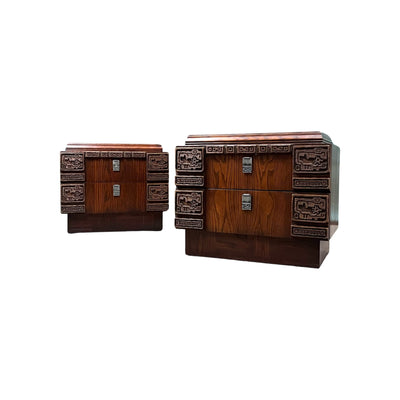
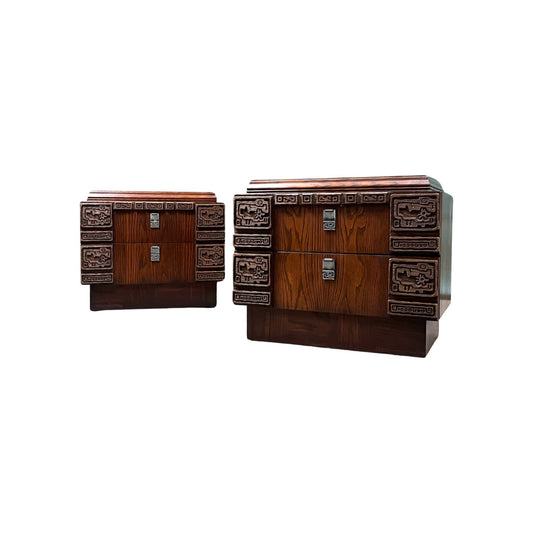
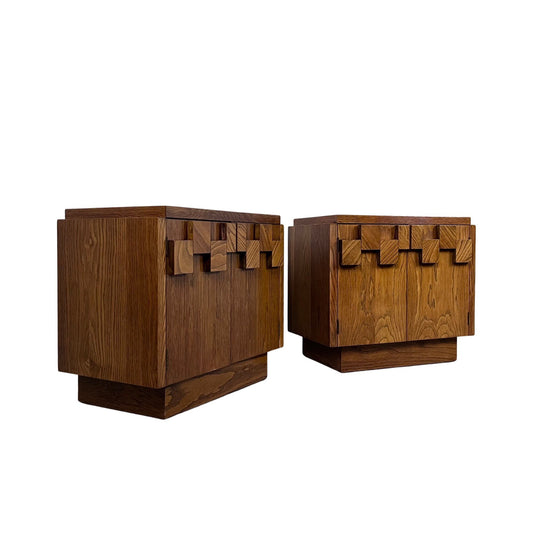
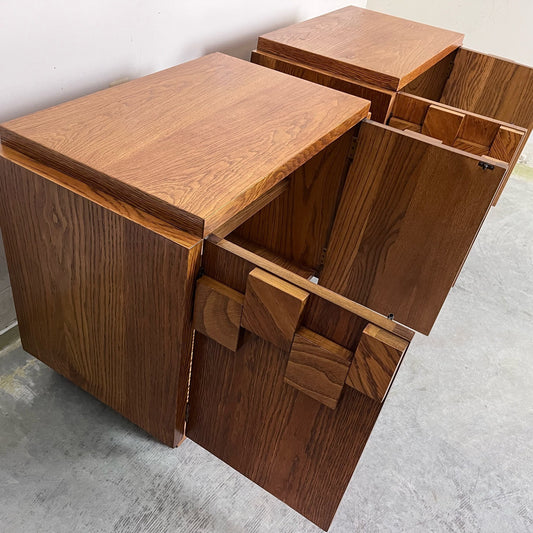
Mid Century Modern Canadian Brutalist Pair of Nightstands c. 1970s
Vendor:OtherRegular price $1,775.00 USDRegular priceUnit price per -
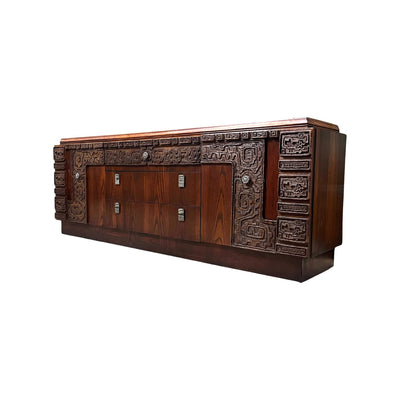
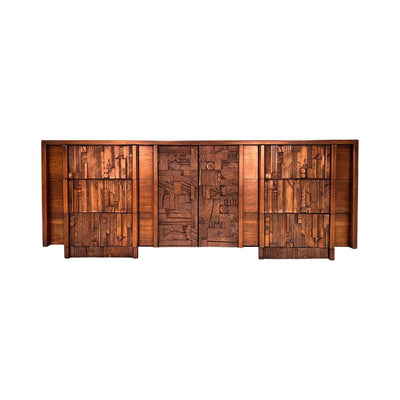
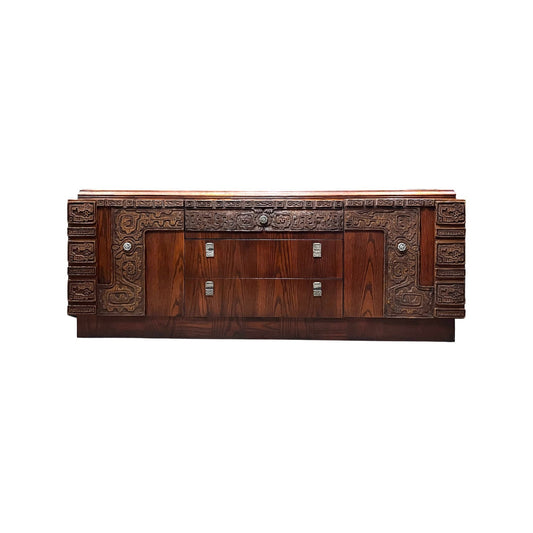
Mid Century Modern Canadian Brutalist Lowboy Credenza Dresser c. 1970s
Vendor:OtherRegular price $2,995.00 USDRegular priceUnit price per -
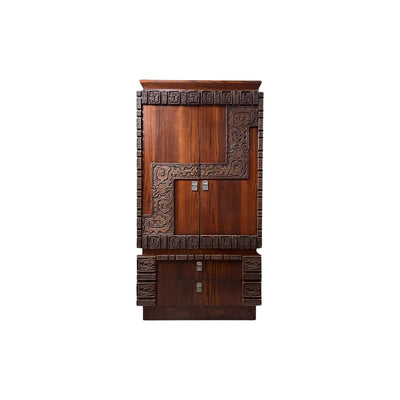
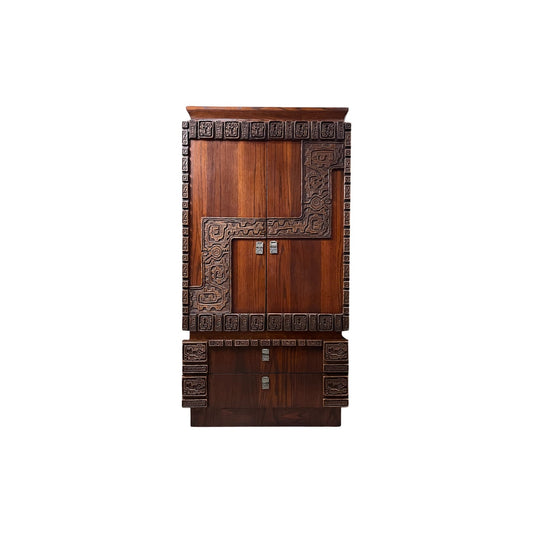
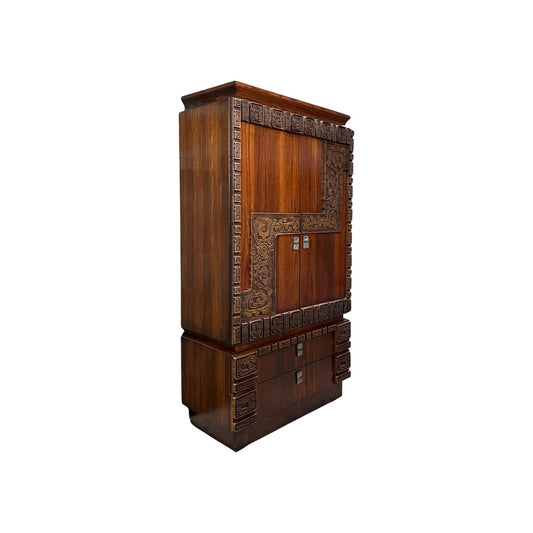
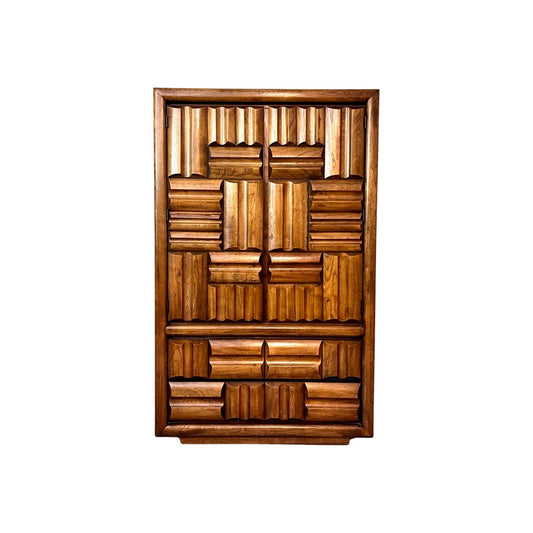
Mid Century Modern Canadian Brutalist Vintage Armoire c. 1970s
Vendor:OtherRegular price $2,895.00 USDRegular priceUnit price per -
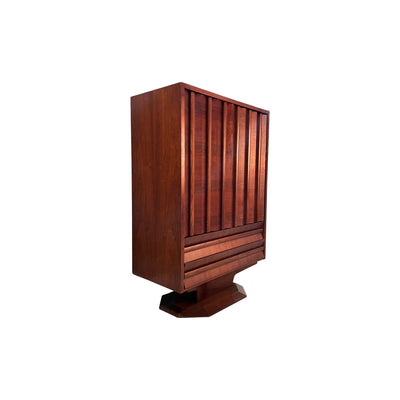
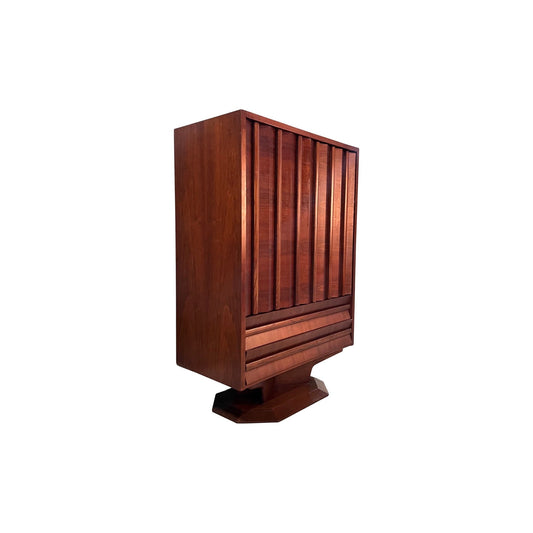
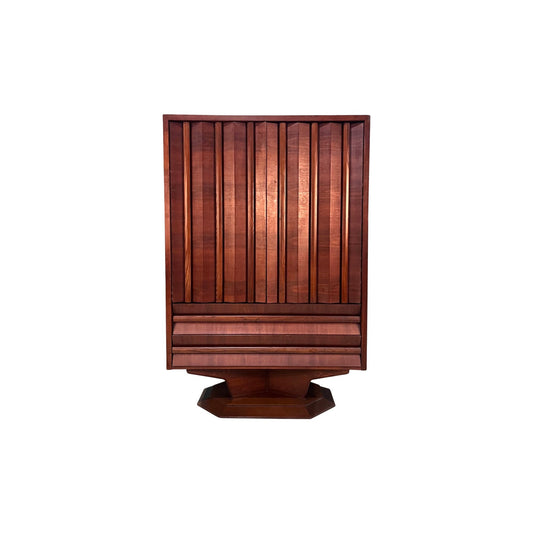
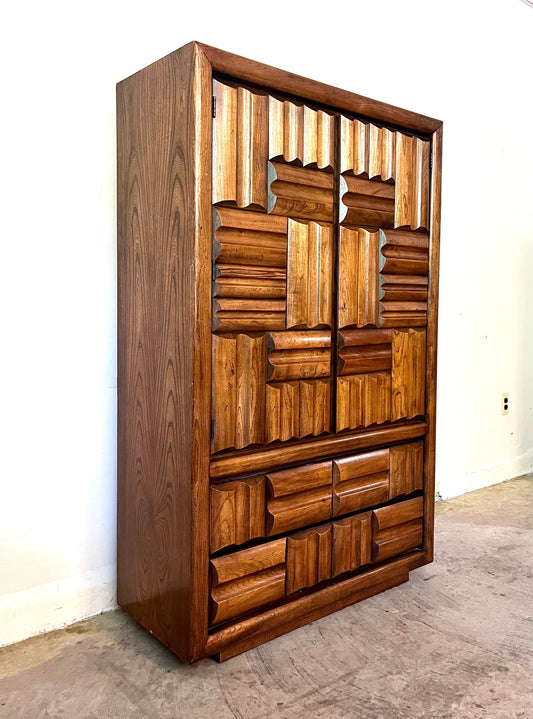
Vintage Mid Century Modern Brutalist Pedestal Highboy Armoire c. 1970s
Vendor:TobagoRegular price $2,495.00 USDRegular priceUnit price per -
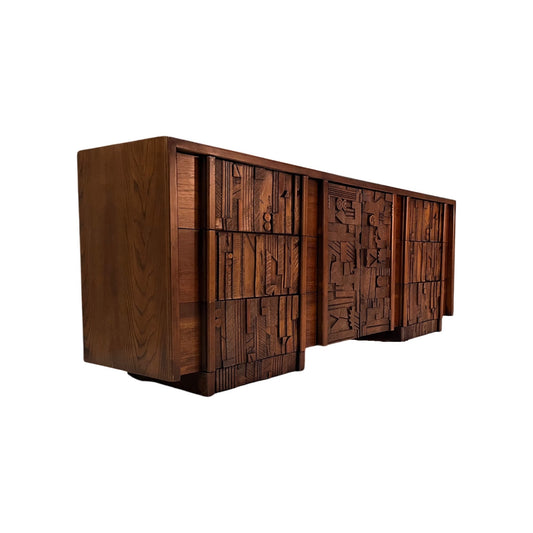
Lane Pueblo Mid Century Modern Brutalist Lowboy Dresser c. 1970s
Vendor:LaneRegular price $2,695.00 USDRegular priceUnit price per -
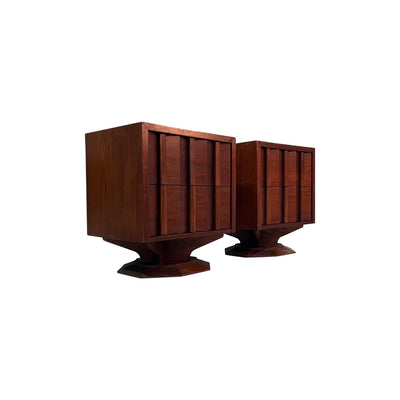
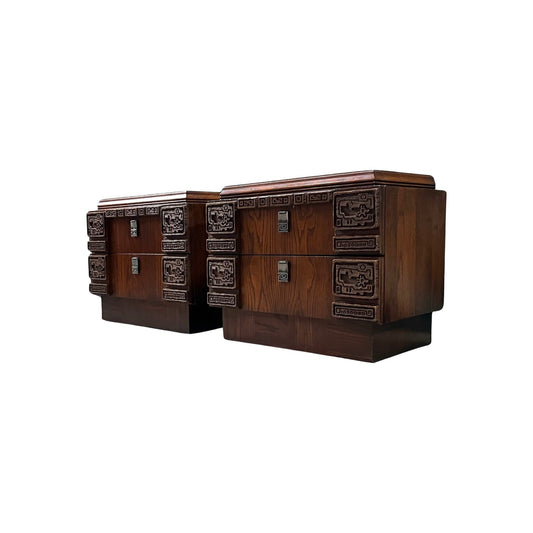
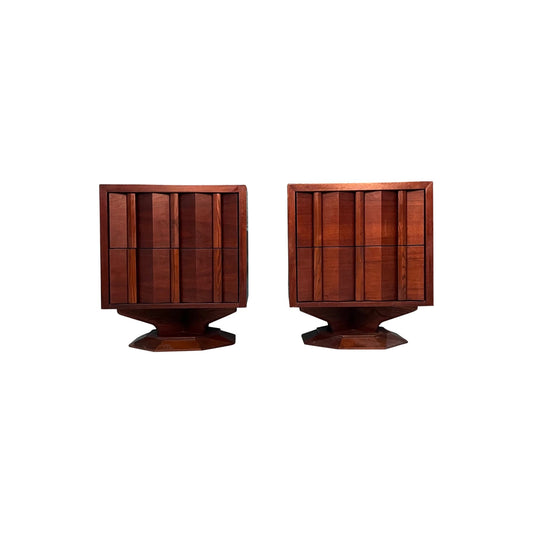
Vintage Mid Century Modern Brutalist Pedestal Pair of Nightstands c. 1970s
Vendor:TobagoRegular price $1,995.00 USDRegular priceUnit price per -
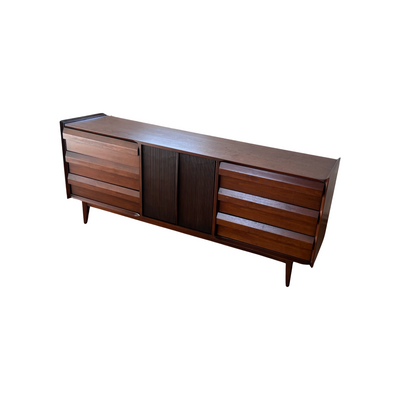
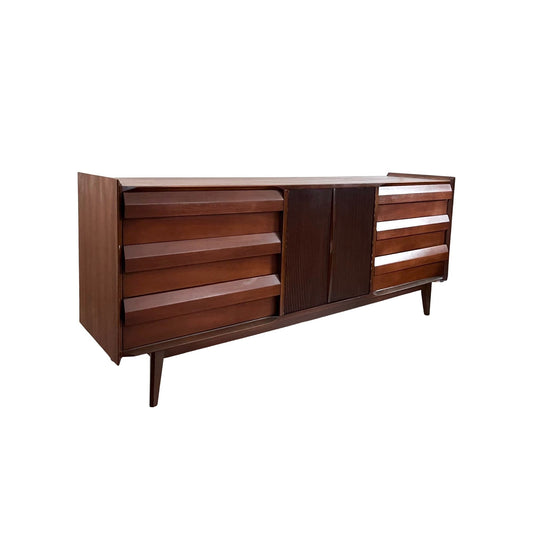
Lane First Edition Vintage Mid Century Modern Brutalist Lowboy Dresser c. 1960s
Vendor:LaneRegular price $2,195.00 USDRegular priceUnit price per -
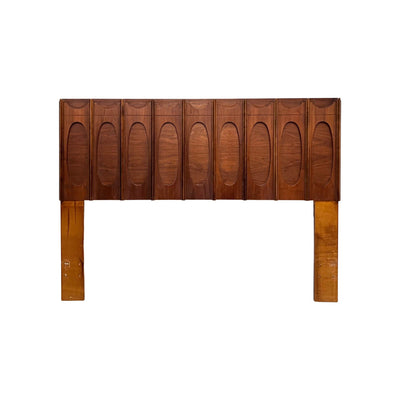
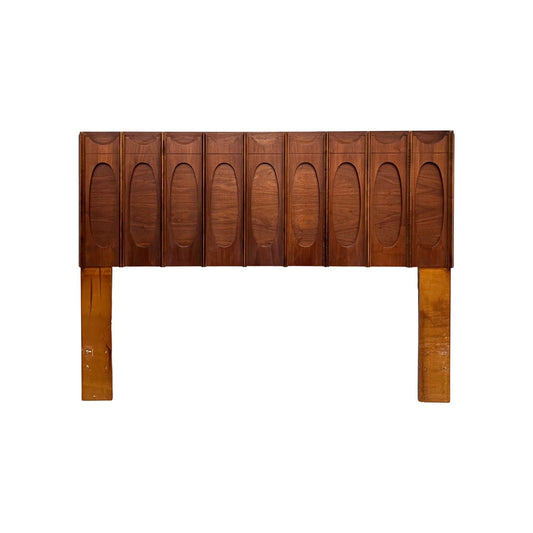
Tobago Furniture Brutalist Mid Century Modern Queen Headboard
Vendor:TobagoRegular price $895.00 USDRegular priceUnit price per -
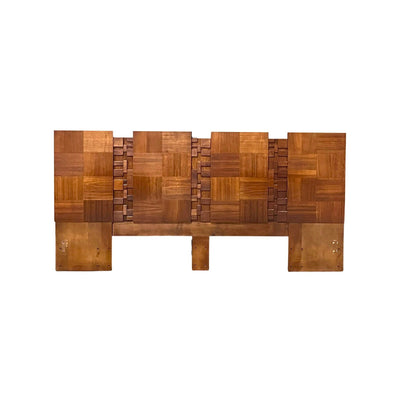
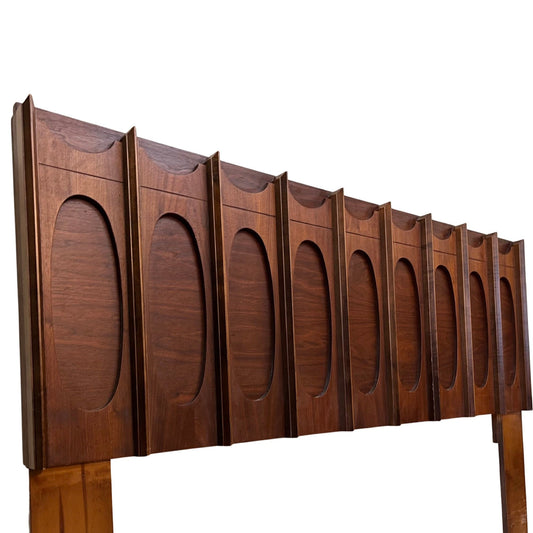
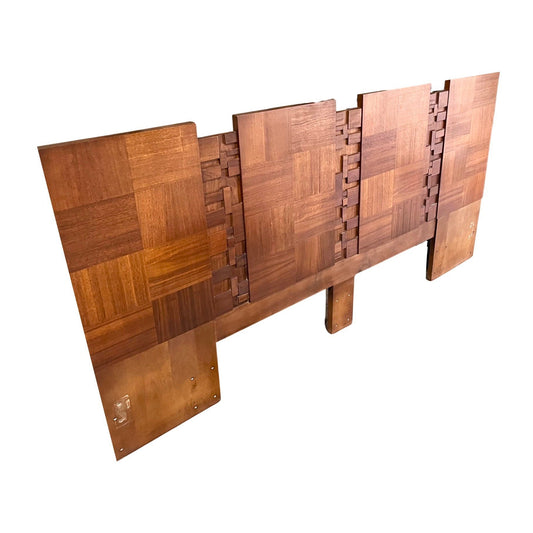
Tobago Furniture Brutalist Mid Century Modern King Size Headboard
Vendor:TobagoRegular price $1,195.00 USDRegular priceUnit price per -
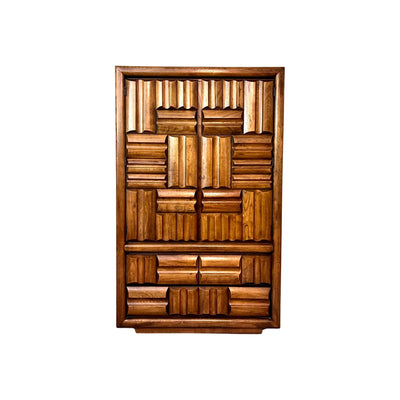
Lane Furniture Mid Century Modern Brutalist Armoire Vintage Tall Dresser
Vendor:LaneRegular price $1,895.00 USDRegular priceUnit price per -
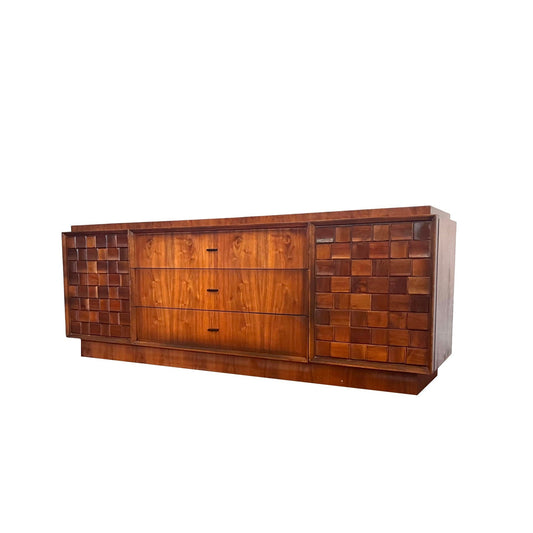
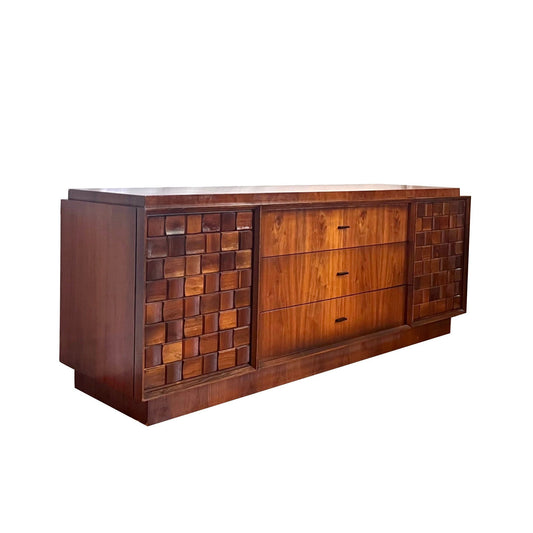
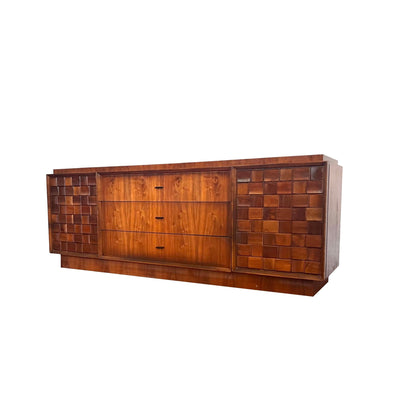
Paul Evans Style Tabago Brutalist Mid Century Modern Vintage 9 Drawer Lowboy Dresser c. 1960s
Vendor:TabagoRegular price $1,995.00 USDRegular priceUnit price per -
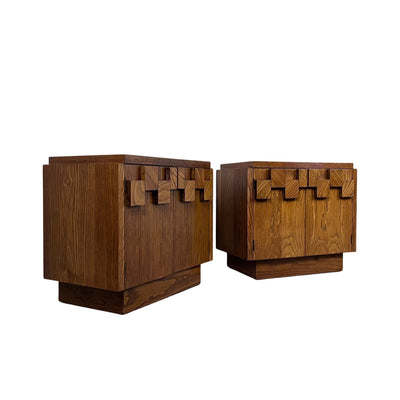
Lane Staccato Oak Mid Century Modern Brutalist Pair of Nightstands Circa 1970s
Vendor:LaneRegular price $1,895.00 USDRegular priceUnit price per -
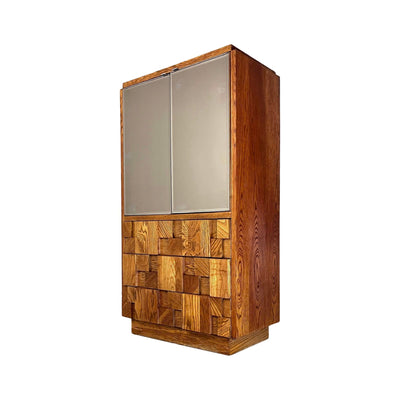
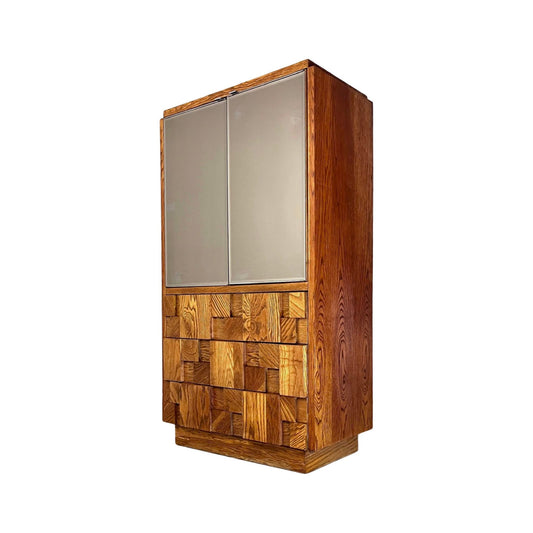
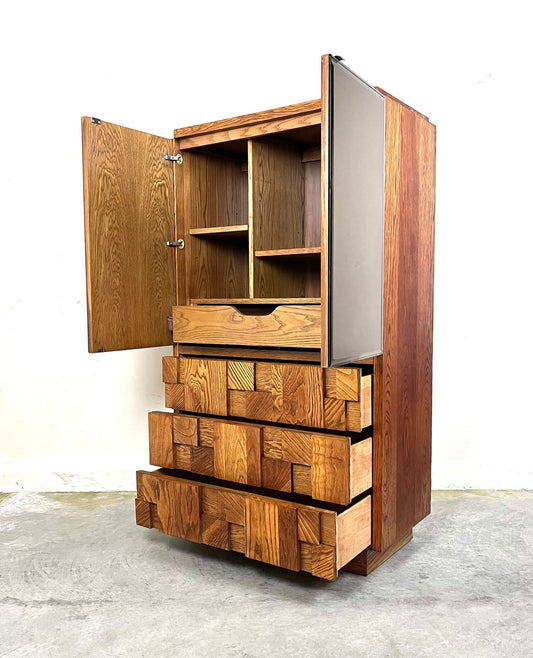
Lane Staccato Oak Brutalist Armoire Mid Century Modern Tall Dresser with Mirror Doors
Vendor:LaneRegular price $1,995.00 USDRegular priceUnit price per -
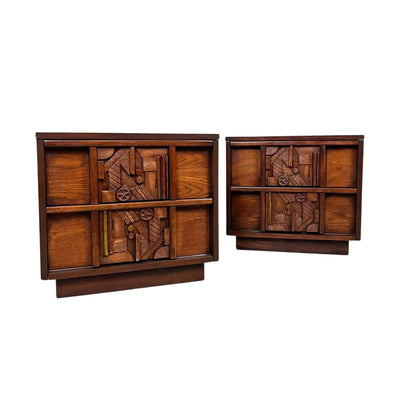
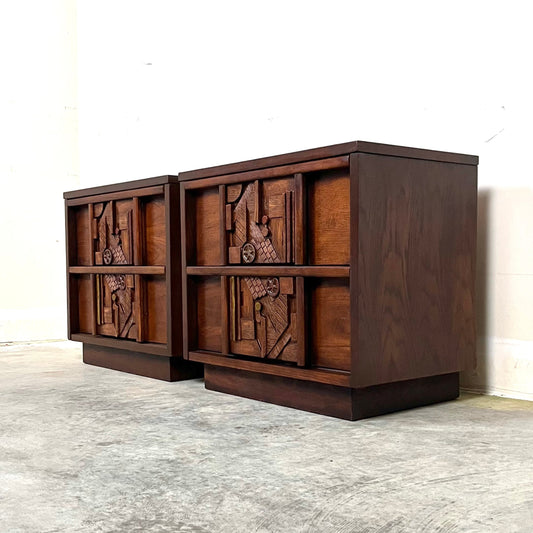
Lane “Pueblo” Brutalist Mosaic Pair of Mid Century Modern Nightstands End Table
Vendor:LaneRegular price $2,295.00 USDRegular priceUnit price per -
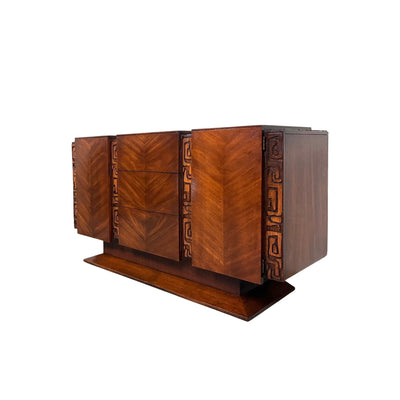
United Furniture “Tiki” Mid Century Modern Brutalist Sideboard Credenza c. 1960s
Vendor:United FurnitureRegular price $2,895.00 USDRegular priceUnit price per -
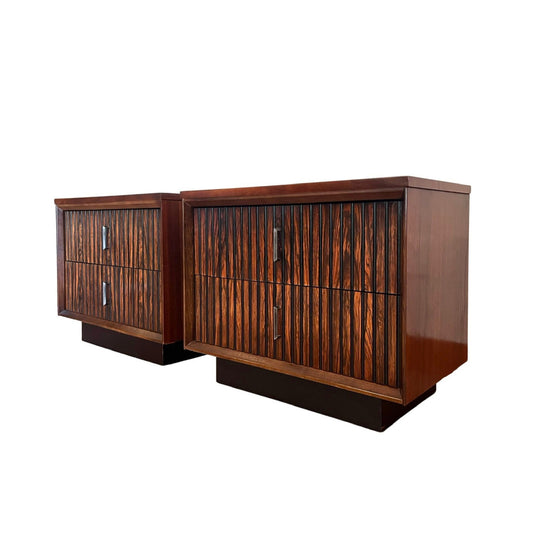
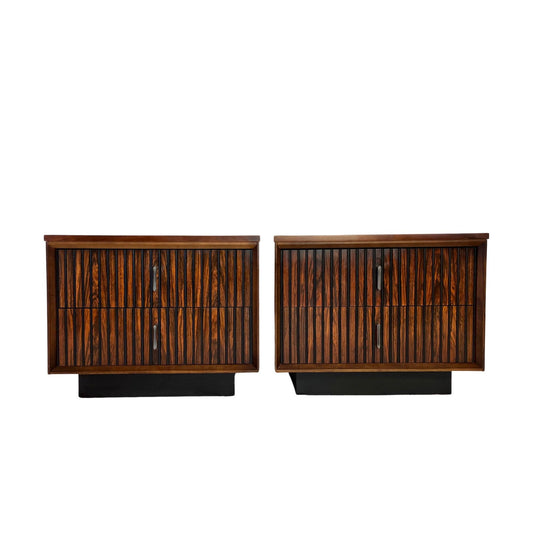
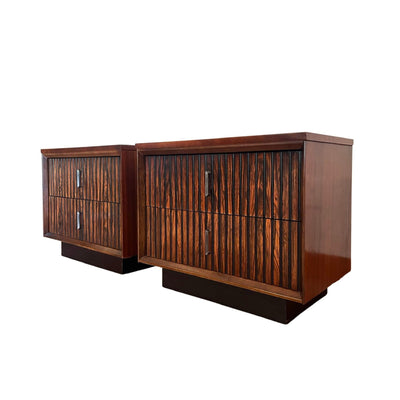
Bassett Furniture Walnut & Rosewood Mid Century Modern Brutalist Pair of Nightstands c. 1960s
Vendor:BassettRegular price $1,495.00 USDRegular priceUnit price per







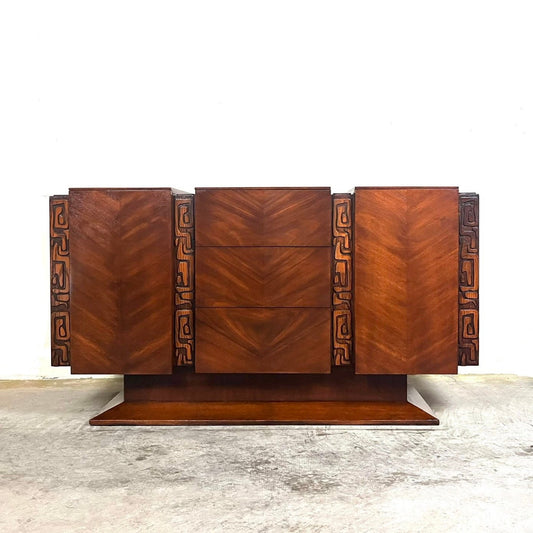
Brutalist Mid Century Modern Furniture
Brutalist mid-century modern furniture takes the period commitment to honest materials and pushes it to an extreme. Where most MCM designers sought visual lightness and refinement, brutalist furniture celebrates mass, texture, and raw material energy — thick walnut slabs, heavy bronze hardware, rough-hewn stone tops, and structural forms that make no attempt to minimize their physical presence.
American brutalist furniture from the 1960s draws on European influences — particularly the work of Belgian and Dutch craftsmen who produced elaborately carved and sculpted case goods — while filtering them through the American taste for scale. Oversized cocktail tables in travertine or slate, heavily textured drawer fronts carved in abstract patterns, and architectural case pieces with exaggerated proportions all fall within the brutalist furniture category.
Collecting brutalist furniture requires a willingness to commit to scale. These are not background pieces — they anchor a room and demand attention. A single brutalist cocktail table or credenza can define the entire character of a living room, which is precisely the point.
At Mod City Mad, our brutalist furniture collection includes case goods, seating, and tables that demonstrate the range and drama of the category. Each piece is assessed for structural integrity, stone or surface condition, and hardware completeness before listing.
If you want furniture with genuine visual authority — pieces that make a statement rather than recede into the background — mid-century brutalist design delivers it with conviction.
Frequently Asked Questions About Brutalist Mid-Century Furniture
What is brutalist furniture?
Brutalist furniture borrows the architectural movement's emphasis on raw, heavy materials and bold, uncompromising forms. In furniture, this translates to thick solid wood with minimal surface treatment, heavy geometric shapes, dark stains, and an almost sculptural weightiness. Brutalist furniture was most popular in the 1960s–1970s.
Which designers created notable brutalist furniture?
Paul Evans is the most celebrated American brutalist furniture designer, known for his sculpted metal and wood work for Directional. Lane's Pueblo line, certain Drexel pieces, and various European makers working in oak or elm produced furniture in the brutalist vein. The style also appeared prominently in Belgian and Dutch furniture of the era.
What wood is most common in brutalist furniture?
Solid oak, elm, and walnut with thick, chunky proportions are typical of American brutalist furniture. European brutalist pieces often feature oak or pine. The emphasis is on the mass and texture of the wood itself — grain patterns and surface texture are often accentuated rather than hidden under smooth veneers.
Is brutalist furniture coming back in style?
Yes — brutalist furniture has experienced significant renewed interest since the 2010s, driven by collectors and interior designers who appreciate its bold, uncompromising aesthetic as a counterpoint to minimalism. Paul Evans pieces in particular have seen dramatic price appreciation. The style pairs well with contemporary industrial and loft interiors.
How do I style brutalist furniture in a home?
Brutalist pieces work best as statement anchors in a room rather than as the primary furniture vocabulary. A brutalist credenza or coffee table paired with lighter, more refined seating creates compelling tension. Keep the surrounding decor relatively uncluttered — brutalist furniture demands visual space to make its impact.