
-
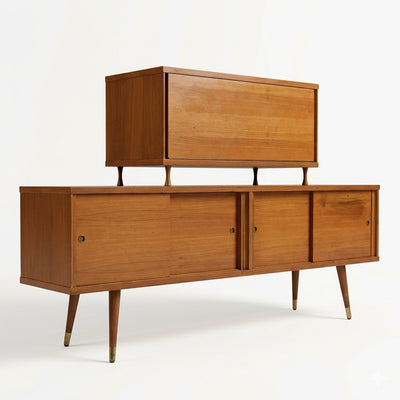
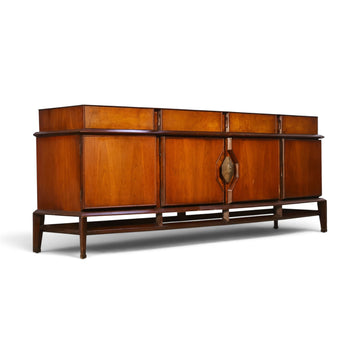
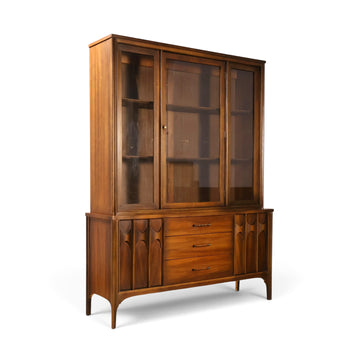
Atomic Style Vintage Mid Century Modern Two Piece Bar Cabinet Sliding Buffet c. 1960s
Vendor:OtherRegular price $1,777.50 USDRegular priceUnit price per$1,975.00 USDSale price $1,777.50 USDSale -
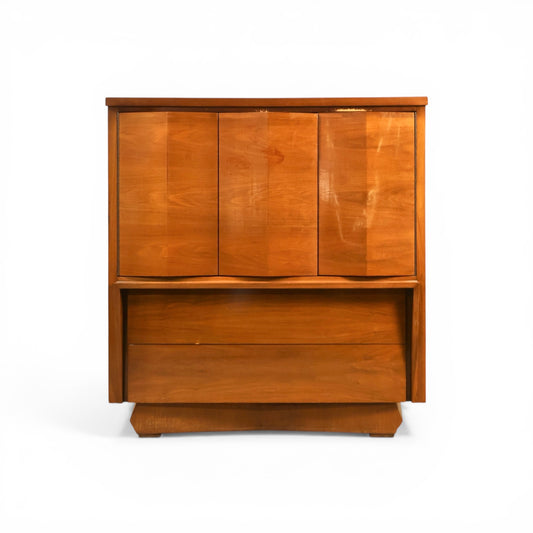
Sculptural Atomic Style Vintage Mid Century Modern 5 Drawer Highboy Dresser c. 1960s
Vendor:OtherRegular price $1,597.50 USDRegular priceUnit price per$1,775.00 USDSale price $1,597.50 USDSale -
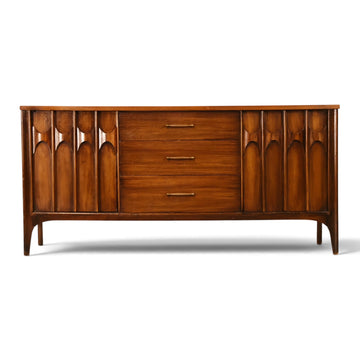
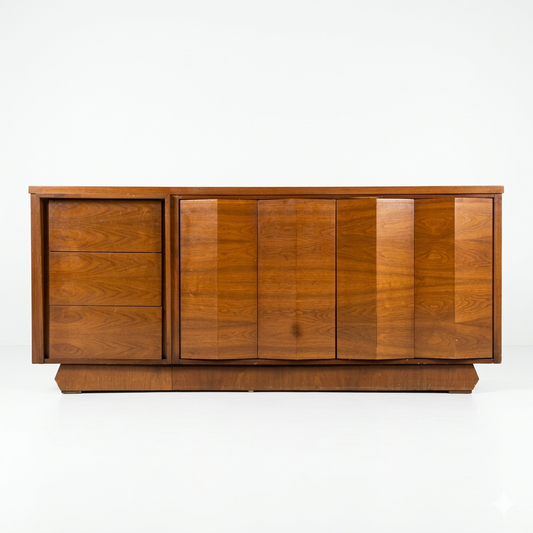
Sculptural Atomic Style Vintage Mid Century Modern 6 Drawer Lowboy Dresser c. 1960s
Vendor:OtherRegular price $1,597.50 USDRegular priceUnit price per$1,775.00 USDSale price $1,597.50 USDSale -
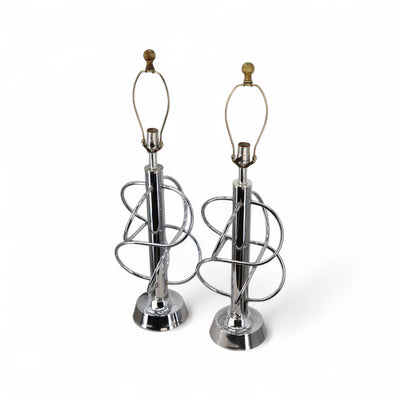
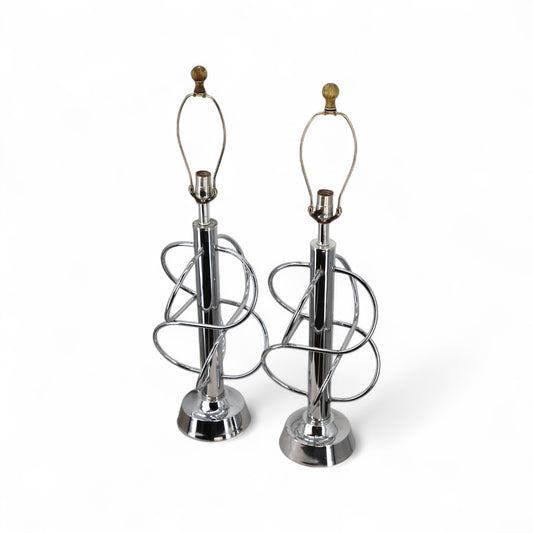
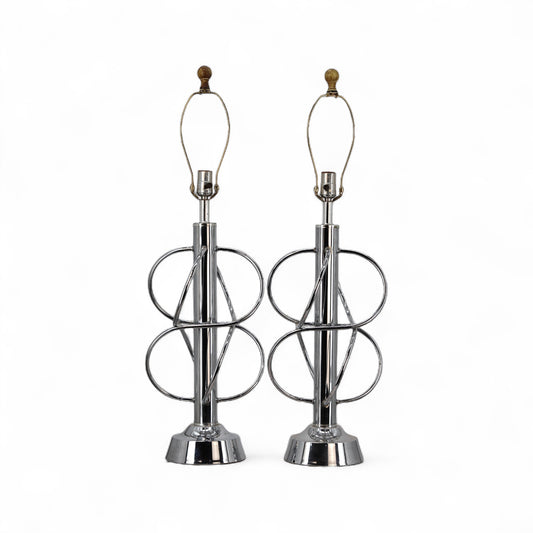
Intersecting Vintage Mid Centuey Modern Atomic Pair of Chrome Table Lamps
Vendor:OtherRegular price $1,057.50 USDRegular priceUnit price per$1,175.00 USDSale price $1,057.50 USDSale -
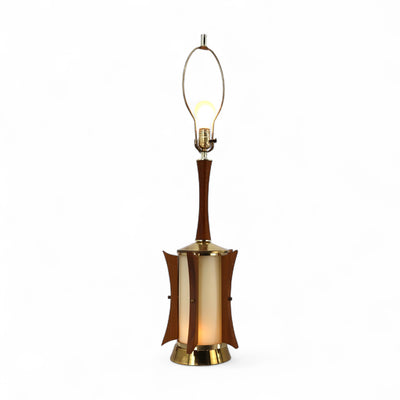
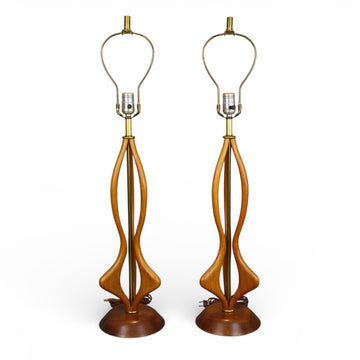
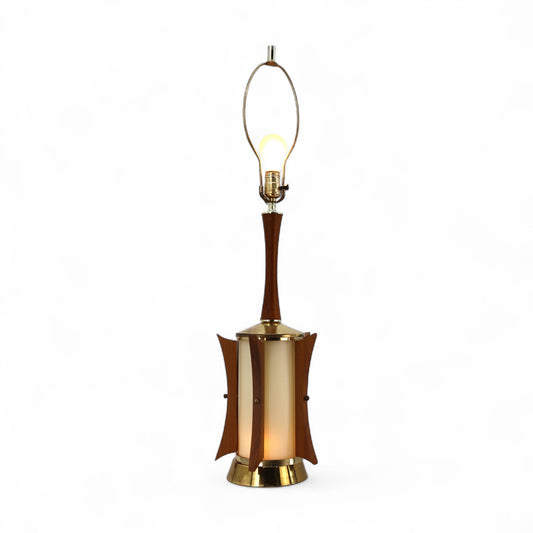
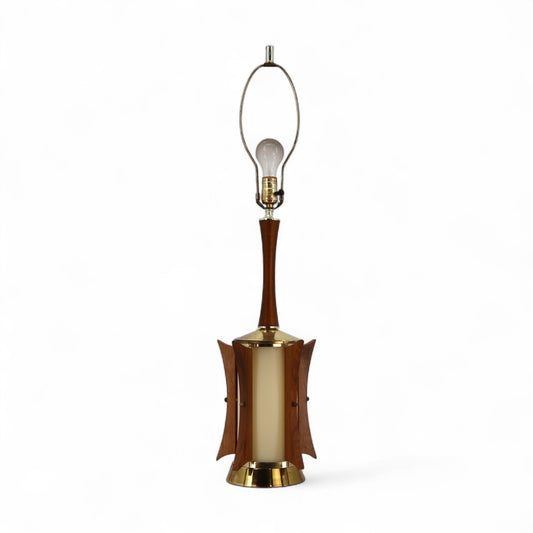
Atomic Style Vintage Mid Century Modern Brass and Walnut Fins Table Lamp c. 1960s
Vendor:OtherRegular price $697.50 USDRegular priceUnit price per$775.00 USDSale price $697.50 USDSale -
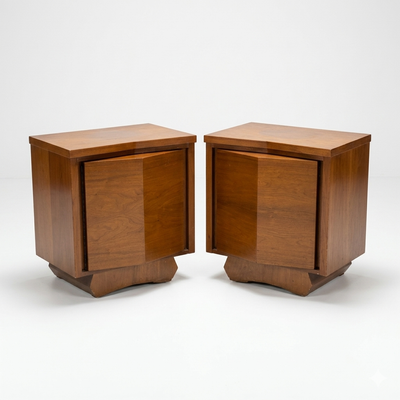
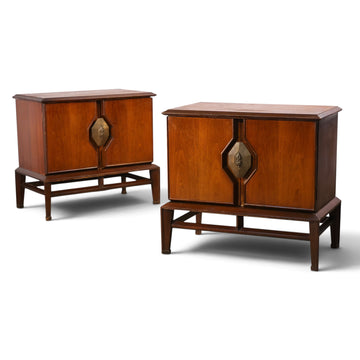
Sculptural Atomic Style Vintage Mid Century Modern Pair of Nightstands c. 1960s
Vendor:OtherRegular price $1,595.00 USDRegular priceUnit price per -
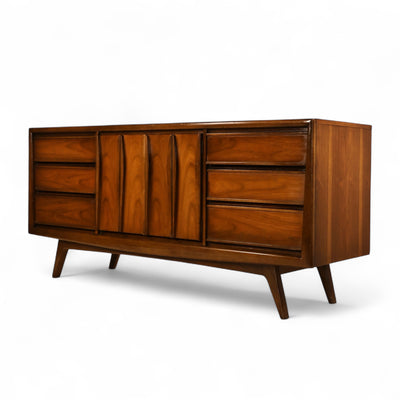
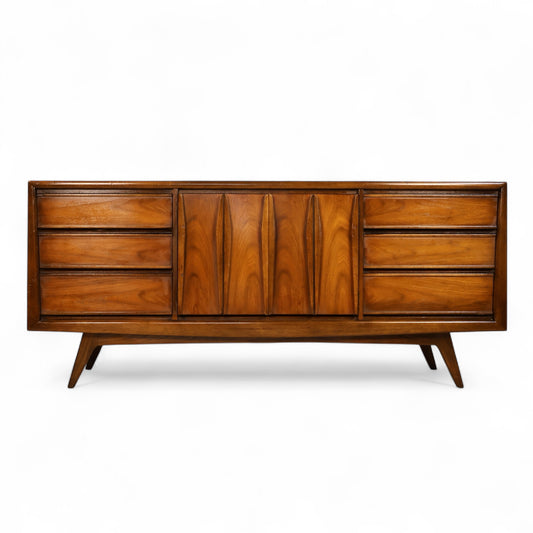
United Furniture Vintage Mid Century Modern Atomic 9 Drawer Lowboy Dresser c. 1960s
Vendor:United FurnitureRegular price $2,275.00 USDRegular priceUnit price per -
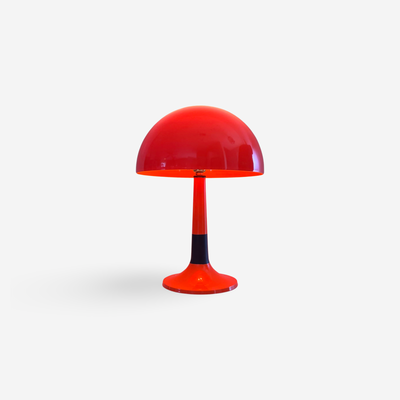
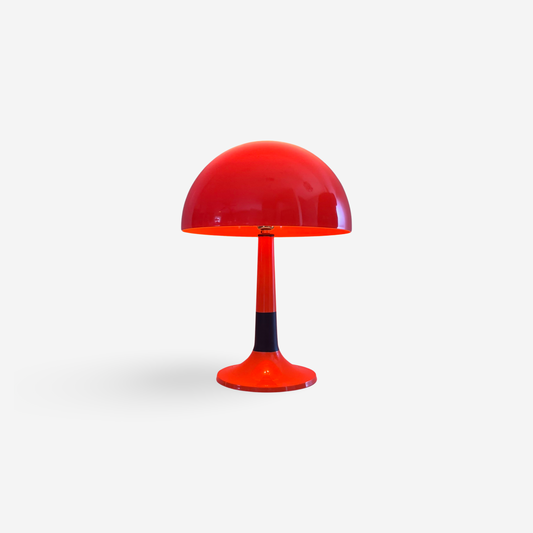
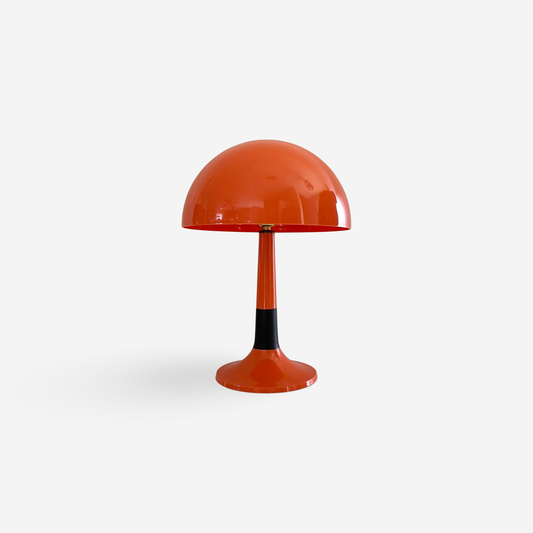
Gilbert Softlite Vintage Mid Century Modern Atomic Mushroom Lamp c. 1960s
Vendor:SoftliteRegular price $295.00 USDRegular priceUnit price per -
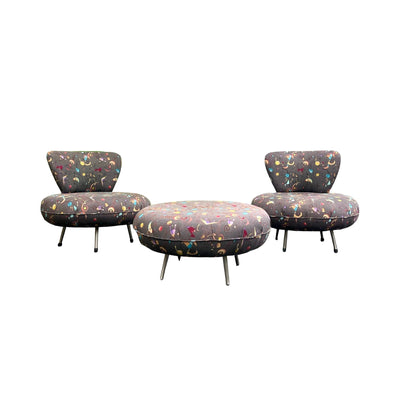
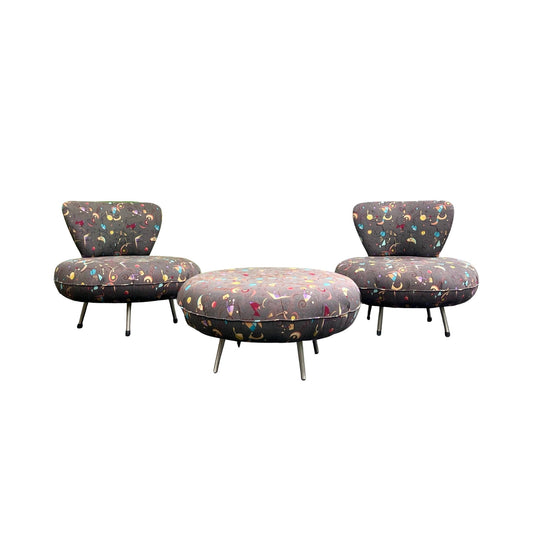
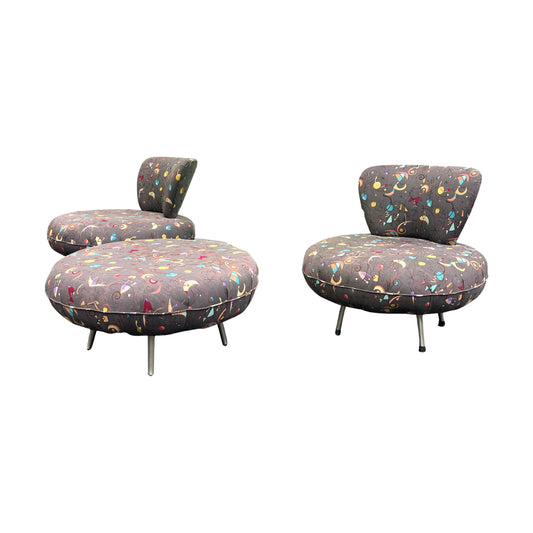
Carsons Vintage Space Age Atomic Swivel Lounge Chair Pair and Ottoman
Vendor:CarsonsRegular price $2,995.00 USDRegular priceUnit price per -
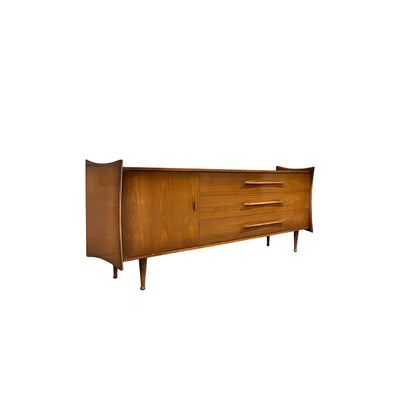
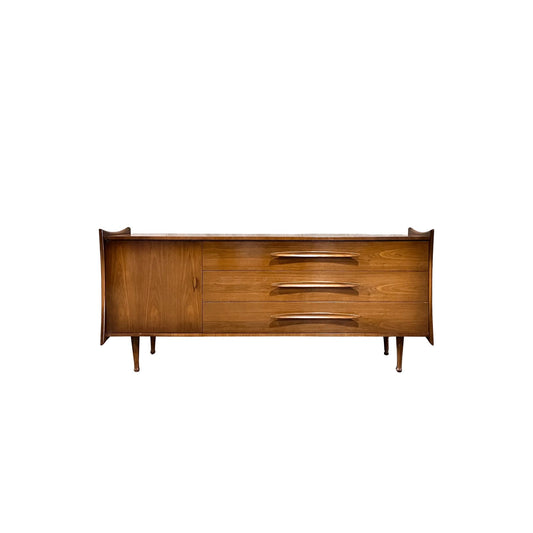
Atomic Danish Style 6 Drawer Lowboy Dresser Rare c. 1960s
Vendor:OtherRegular price $2,895.00 USDRegular priceUnit price per -
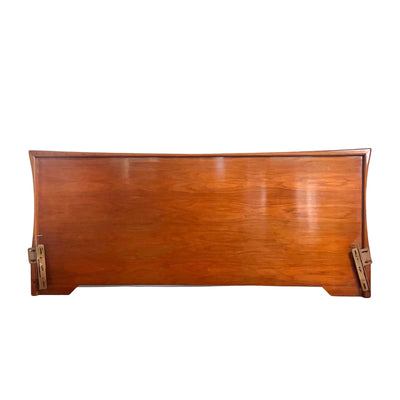
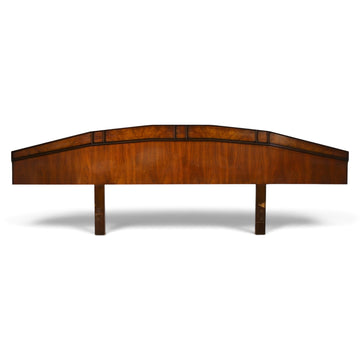
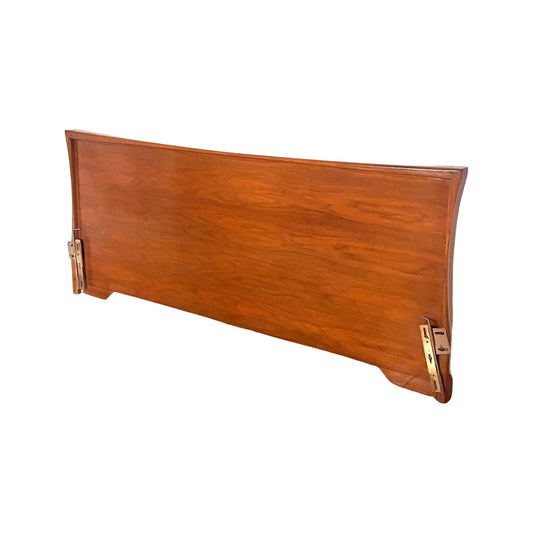
Vladimir Kagan style Sculpted Mid Century Modern Atomic King Size Headboard c. 1960s
Vendor:OtherRegular price $895.00 USDRegular priceUnit price per







Atomic Age Mid Century Modern Furniture
Atomic Age furniture captures the optimism, energy, and visual daring of American design in the decade following World War II. From roughly 1947 to 1965, American furniture designers responded to the postwar mood — expansive, forward-looking, and intoxicated by science and technology — with pieces that pushed organic form, new materials, and structural audacity to their limits.
The defining characteristics of Atomic Age furniture are its graphic forms and kinetic energy. Starburst bases, boomerang tabletops, amoeba-shaped cocktail tables, and wire-frame chairs all express the same fascination with mid-century science imagery. Designers like Paul McCobb, Adrian Pearsall, and Vladimir Kagan pushed these ideas into mainstream production, while artists like Harry Bertoia and Charles Eames elevated them to iconic status.
Materials in Atomic Age furniture are as expressive as the forms. Fiberglass, bent plywood, chrome wire, and molded plastic appear alongside walnut and teak, often in combinations that would have been technically impossible a generation earlier. The results were genuinely new — furniture that looked like nothing that had come before.
At Mod City Mad, our Atomic Age collection includes seating, tables, and case goods that capture this spirit of design experimentation. Each piece is assessed for structural integrity and material condition. We carry both original-condition pieces that show the honest age of their materials and restored examples returned to working condition.
Atomic Age furniture brings genuine visual energy to any interior — these pieces were made to make a statement, and sixty years later they still do.
Frequently Asked Questions About Atomic Age Furniture
What is atomic age furniture?
Atomic age furniture refers to the bold, futuristic design aesthetic popular from the late 1940s through the 1960s, inspired by space exploration, nuclear energy, and scientific optimism. It is characterized by organic, pod-like shapes, splayed 'rocket' legs, boomerang and kidney forms, and materials like fiberglass, chrome, and molded plastic.
What are the most iconic atomic age furniture designs?
The Eames Shell Chair, Saarinen's Tulip Table and Womb Chair, the kidney-shaped coffee table, and starburst/sunburst clocks are among the most recognizable atomic age designs. Dining sets with tapered chrome legs, sculptural floor lamps, and boomerang-shaped shelves are also quintessentially atomic age.
How do I style atomic age furniture in a modern home?
Let one or two atomic age pieces serve as focal points rather than furnishing an entire room in the style. A sculptural 1950s kidney coffee table or a pair of Saarinen Tulip chairs work beautifully as accents against a more neutral contemporary backdrop. Keep the surrounding palette restrained to let the forms breathe.
Is atomic age furniture the same as mid-century modern?
They overlap significantly but are not identical. Mid-century modern is a broader category spanning roughly 1945–1975. Atomic age specifically refers to the late 1940s–early 1960s aesthetic inspired by the Space Age and nuclear era. All atomic age furniture is MCM, but not all MCM furniture is atomic age.
How do I care for vintage fiberglass or molded plastic atomic age furniture?
Clean fiberglass and plastic surfaces with mild soap and water. For surface scratches, automotive plastic polish can restore clarity. Avoid harsh abrasives that dull the surface. Inspect leg connections regularly — the hardware attaching metal legs to fiberglass shells is a common failure point on older pieces.