-
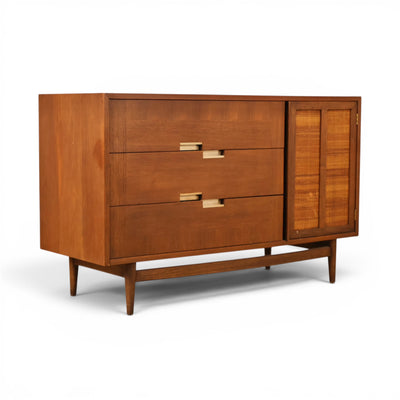
Merton Gershun for American of Martinsville Accord Vintage MCM Credenza c. 1960s
Vendor:American of MartinsvilleRegular price From $1,775.00 USDRegular priceUnit price per -

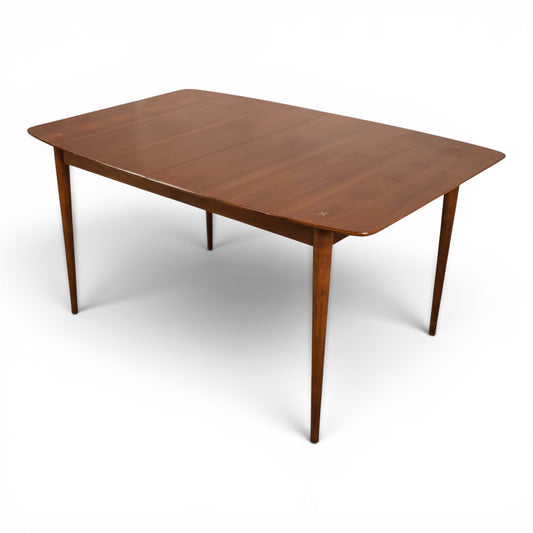
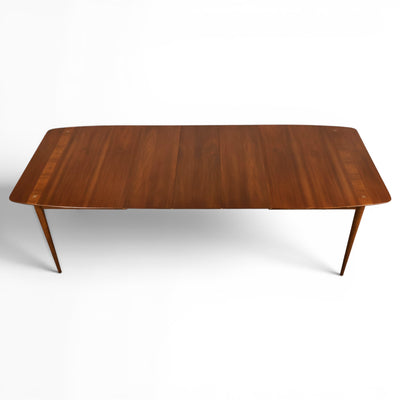
Merton Gershun for American of Martinsville Accord Vintage MCM Dining Table and 3 Leafs c. 1960s
Vendor:American of MartinsvilleRegular price From $1,875.00 USDRegular priceUnit price per -


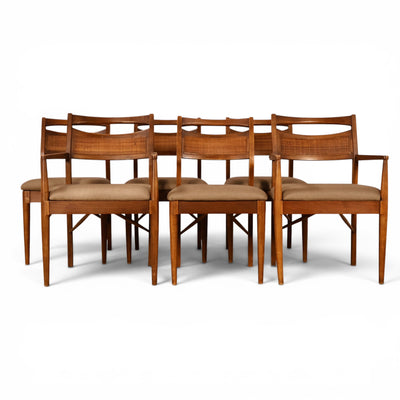
Merton Gershun for American of Martinsville Accord Vintage MCM Set of 6 Dining Chairs c. 1960s
Vendor:American of MartinsvilleRegular price From $1,975.00 USDRegular priceUnit price per -
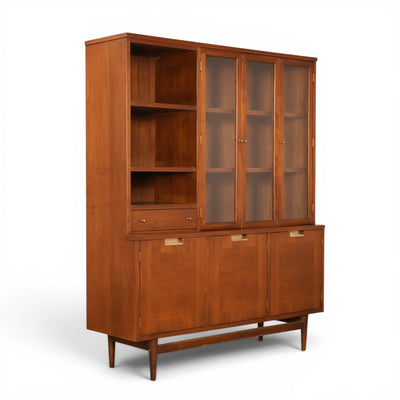
Merton Gershun for American of Martinsville Accord Vintage MCM China Cabinet c. 1960s
Vendor:American of MartinsvilleRegular price From $1,875.00 USDRegular priceUnit price per -
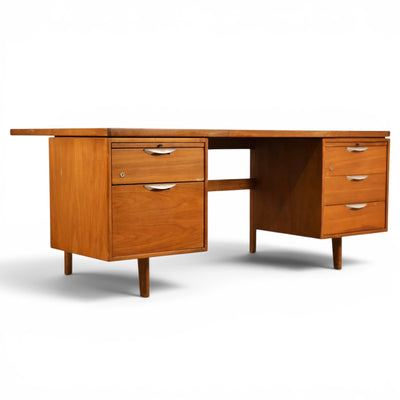
Jens Risom Vintage Mid Century Modern Double Pedestal Executive Desk c. 1960s
Vendor:Jens RisomRegular price From $2,575.00 USDRegular priceUnit price per -
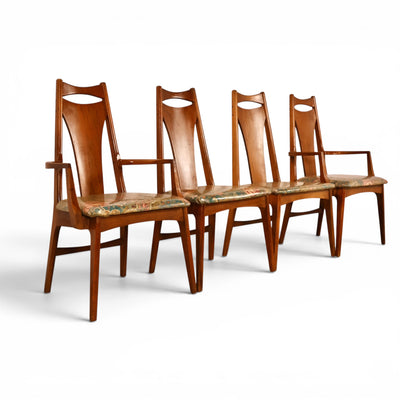
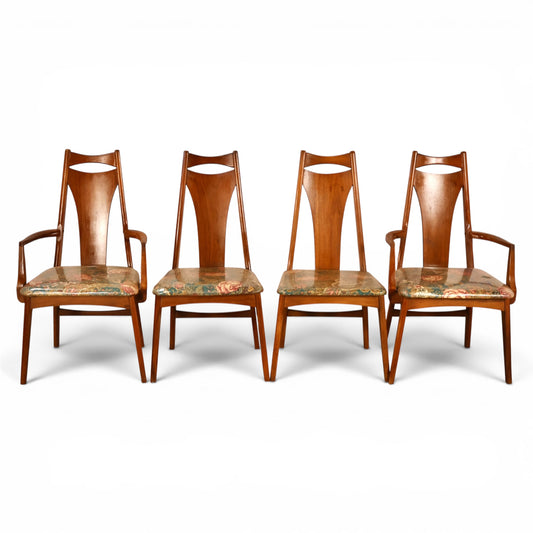
Young Manufacturing Vintage Mid Century Modern Set of 4 Dining Chairs c. 1960s
Vendor:Young ManufacturingRegular price From $1,675.00 USDRegular priceUnit price per -
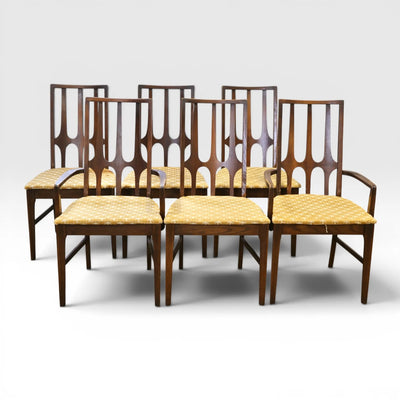
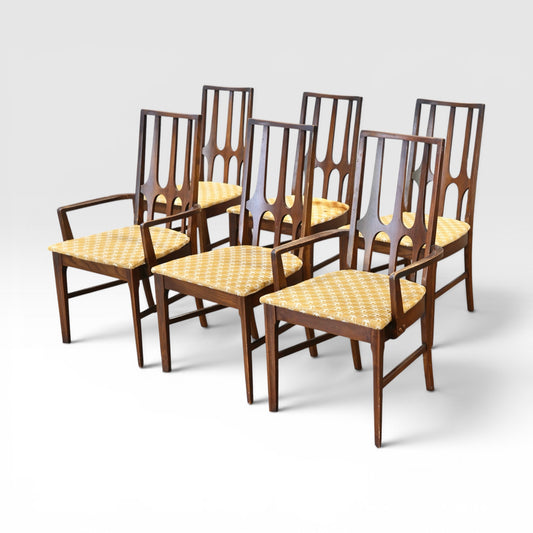
Broyhill Brasilia Vintage Mid Century Modern Set of 6 Dining Chairs c. 1960s
Vendor:BroyhillRegular price From $2,675.00 USDRegular priceUnit price per -

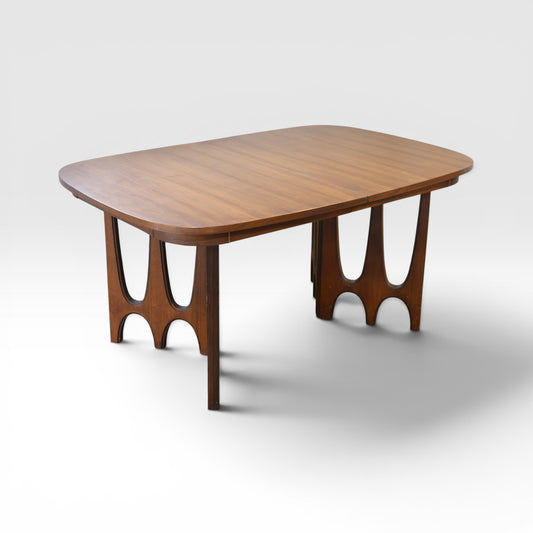
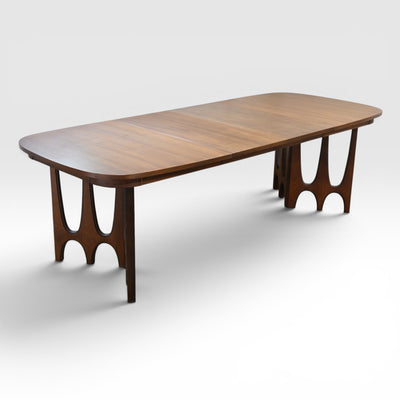
Broyhill Brasilia II Vintage Mid Century Modern Extension Dining Table and 2 Leafs c. 1960s
Vendor:BroyhillRegular price From $2,975.00 USDRegular priceUnit price per -
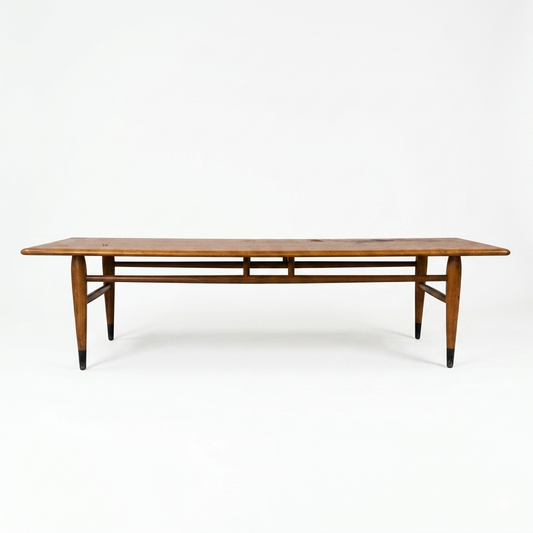
Lane Acclaim Vintage Mid Century Modern Coffee Table c. 1960s
Vendor:LaneRegular price From $675.00 USDRegular priceUnit price per -
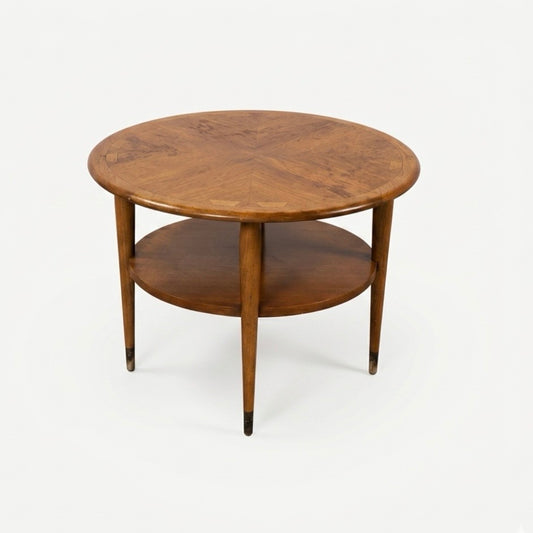
Lane Acclaim Vintage Mid Century Modern Round Side Table c. 1960s
Vendor:LaneRegular price From $575.00 USDRegular priceUnit price per -
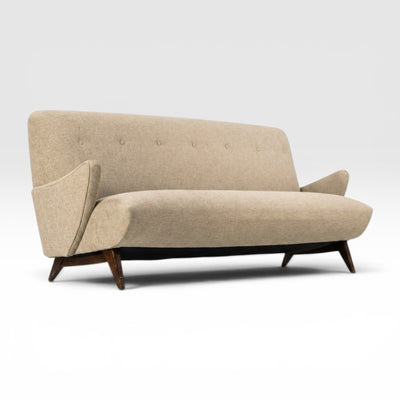
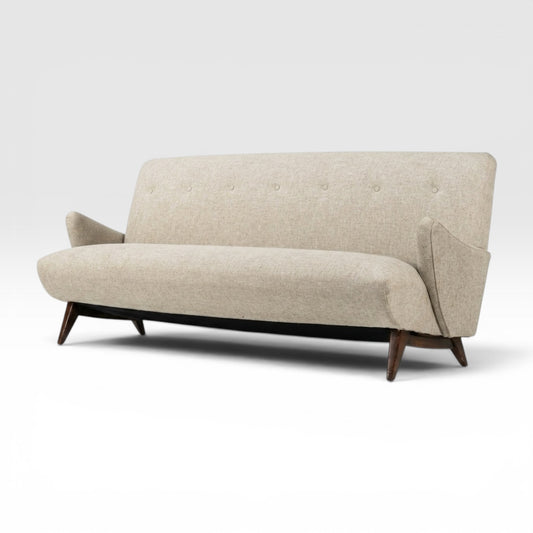
Jens Risom Model 37 Early Vintage Mid Century Modern Sofa c. 1940s
Vendor:Jens RisomRegular price $4,475.00 USDRegular priceUnit price per -
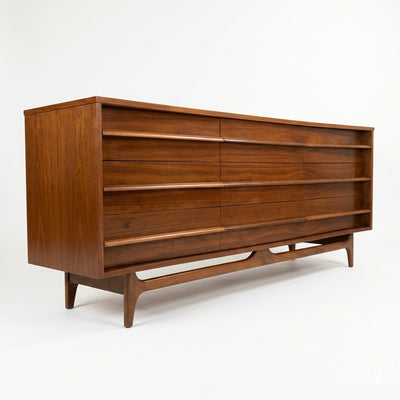
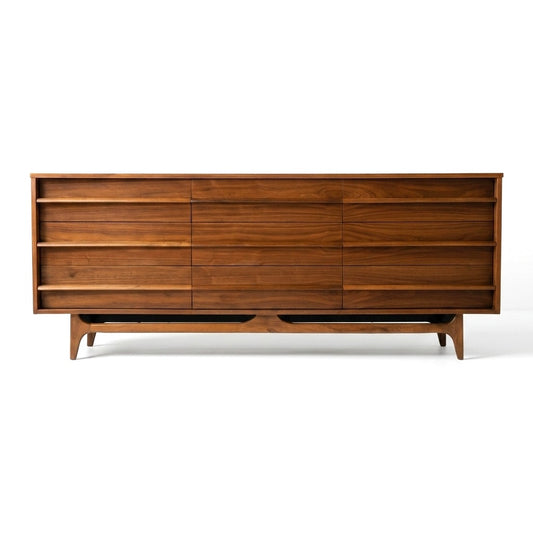
Young Manufacturing Vintage Concave Top Mid Century Lowboy Dresser c. 1960s
Vendor:Young ManufacturingRegular price From $2,775.00 USDRegular priceUnit price per -
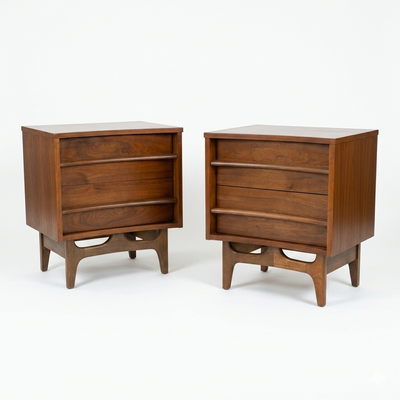
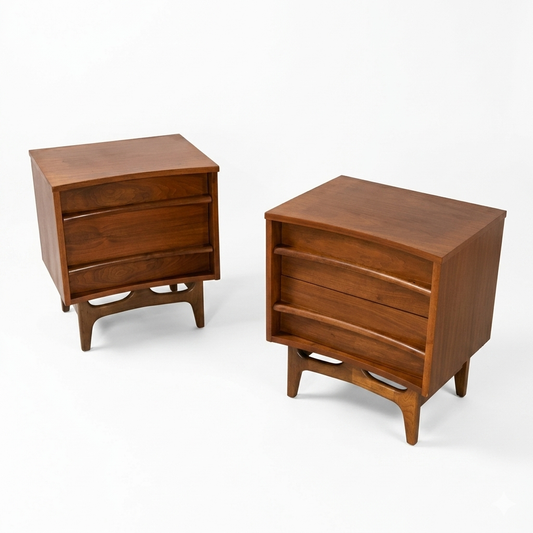
Young Manufacturing Vintage Concave Top Mid Century Modern Pair of Nightstands c. 1960s
Vendor:Young ManufacturingRegular price From $2,375.00 USDRegular priceUnit price per -
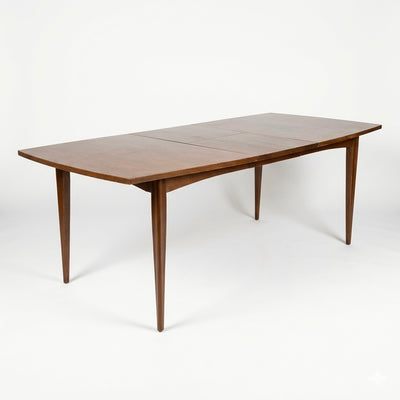
Broyhill Premier Vintage Mid Century Modern Walnut Dining Table with 2 Leafs c. 1960s
Vendor:BroyhillRegular price From $1,375.00 USDRegular priceUnit price per -
Mid Century Modern Vintage Walnut Pair of Nightstands c. 1960s
Vendor:OtherRegular price From $1,175.00 USDRegular priceUnit price per -
Cavalier Furniture Vintage Mid Century Modern Brass and Walnut Lowboy Dresser c. 1960s
Vendor:CavalierRegular price From $2,175.00 USDRegular priceUnit price per

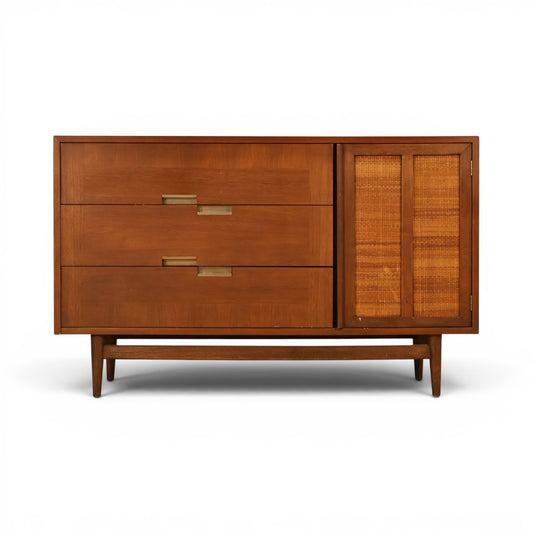


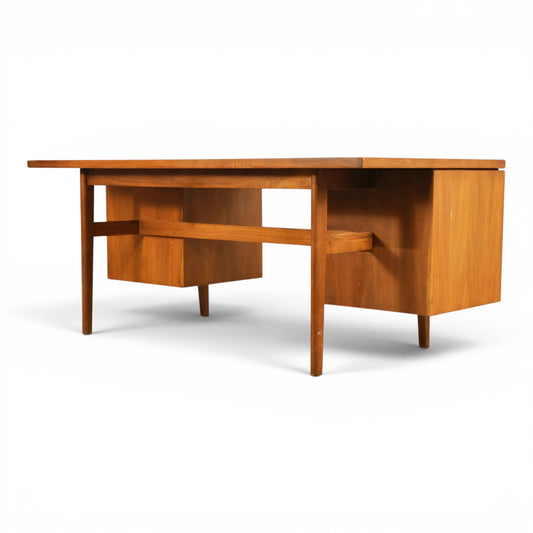










Mid Century Modern Walnut Furniture
Walnut defined mid-century modern furniture in America. From the late 1940s through the 1970s, virtually every significant American furniture maker worked primarily in walnut — its rich color, straight grain, excellent workability, and finish quality made it the natural choice for the clean-lined, material-honest aesthetic that defined the period.
American black walnut, primarily sourced from Midwestern forests, ranges in color from pale gray-brown in the sapwood to deep chocolate in the heartwood. In matched veneer panels, the contrast can be dramatic; in solid construction, the grain shows a quieter, more even character. Both are beautiful, and both age well — darkening slightly with exposure to light and developing a warmth that is impossible to replicate artificially.
Vintage walnut furniture from the mid-century period spans the full range of residential categories: bedroom dressers and nightstands, credenzas and sideboards, dining tables and chairs, desks, coffee tables, and lounge seating. Quality varied by manufacturer, but the best American production used thick veneer over stable substrate, honest joinery throughout, and hardware designed to last.
At Mod City Mad, our walnut furniture collection spans the full range of the category. Every piece is assessed for veneer condition, structural integrity, and finish quality before listing. We carry both as-is originals with natural patina and restored pieces with fresh hand-rubbed or lacquer finishes.
Mid-century modern walnut furniture is the American design canon at its best — beautiful, functional, and built to last a lifetime and beyond.
Frequently Asked Questions About Vintage Walnut Furniture
Why is walnut so common in mid-century modern furniture?
American black walnut became the dominant wood in American MCM furniture for several reasons: its rich chocolate-brown color with straight or wavy grain patterns, excellent workability for both solid construction and veneering, and the fact that it was abundantly available from domestic forests. It also takes oil and lacquer finishes exceptionally well, developing a warm patina over time.
How do I identify genuine walnut in vintage furniture?
True black walnut has a distinctive chocolate-brown heartwood that often ranges from dark purple-brown to medium brown with straight, sometimes wavy grain. It has a relatively uniform texture and a mild, distinctive scent when freshly cut. Walnut veneer over a plywood or particleboard core is common in MCM case furniture and is equally desirable when in good condition.
How do I restore the finish on vintage walnut furniture?
Start by cleaning with a mild soap solution to remove decades of wax and grime buildup. If the finish is simply dull, a quality furniture conditioner or revival oil may restore the luster without further work. For scratched or worn finishes, light sanding with 400-grit paper followed by a fresh coat of Danish oil or wax can revive the wood beautifully.
Does vintage walnut furniture increase in value?
Quality vintage walnut furniture — particularly pieces by recognized designers or manufacturers — has appreciated steadily over the past two decades. The combination of natural material beauty, historical craftsmanship, and sustainability (pre-existing furniture vs. new production) makes vintage walnut MCM pieces an increasingly attractive investment.
What are the most collectible types of vintage walnut furniture?
Designer-attributed walnut pieces (Lane Acclaim and Staccato, Harvey Probber, Paul McCobb, Milo Baughman) command the strongest prices. High-quality walnut credenzas, dressers, and case pieces in excellent original condition are consistently in demand among collectors and interior designers.
Want to learn more? Read our in-depth How to Care for Vintage Wood Furniture for expert guidance on identifying, buying, and caring for authentic pieces.