
-
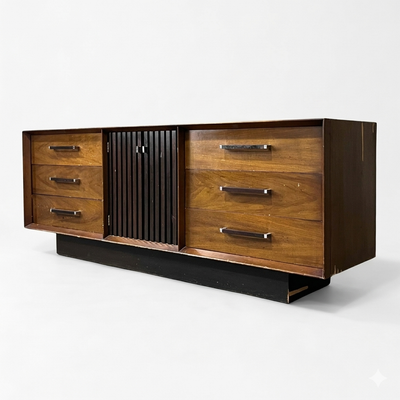
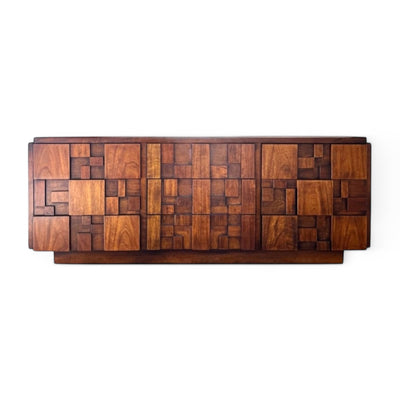
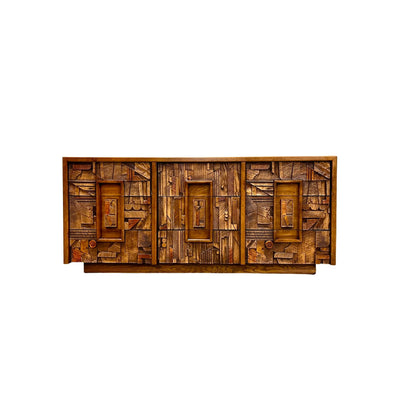
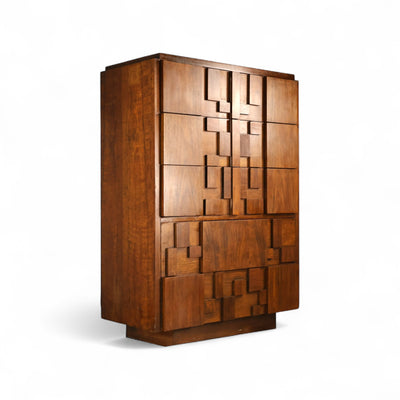
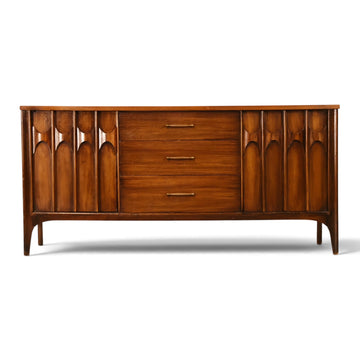
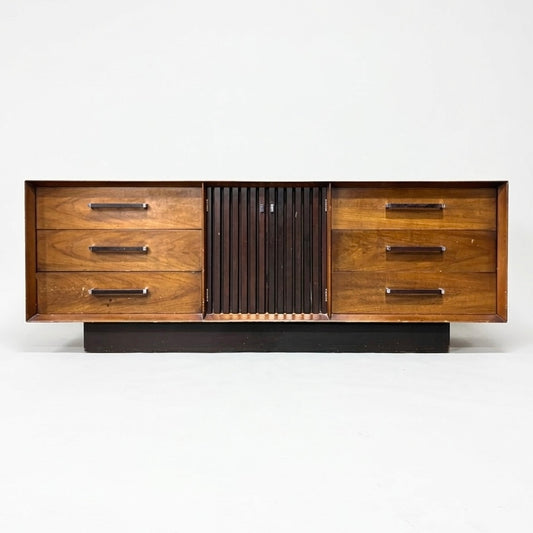
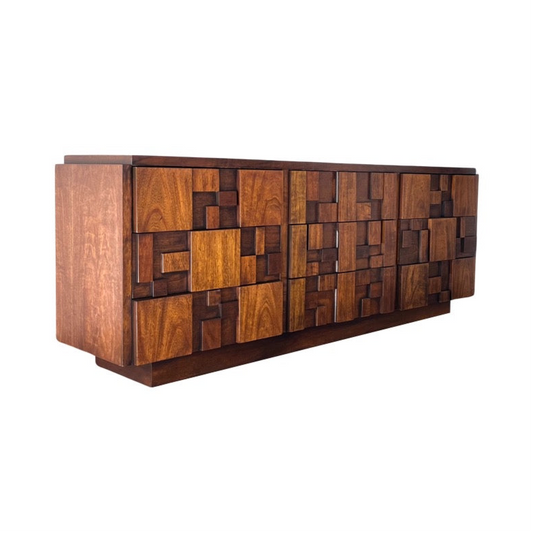
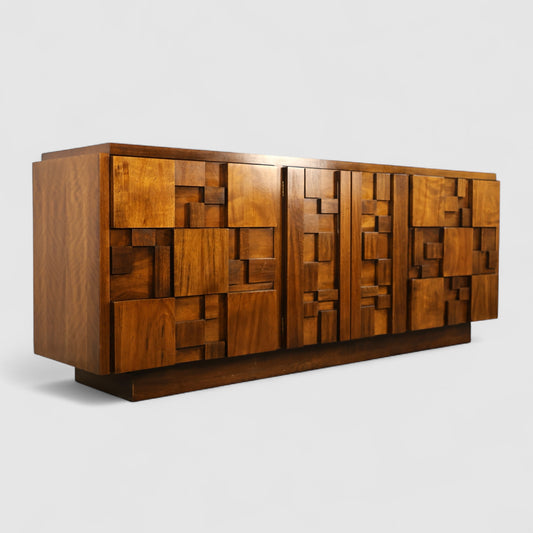
Lane Tower Suite Vintage Mid Century Modern Brutalist Lowboy Dresser c. 1970s
Vendor:LaneRegular price $1,057.50 USDRegular priceUnit price per$1,175.00 USDSale price $1,057.50 USDSale -
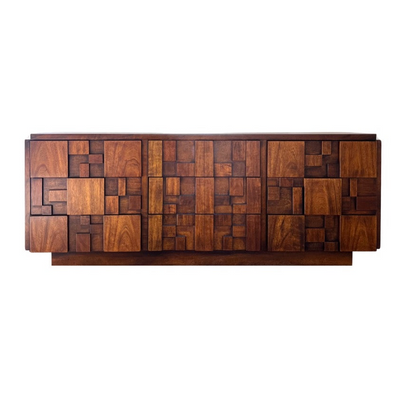
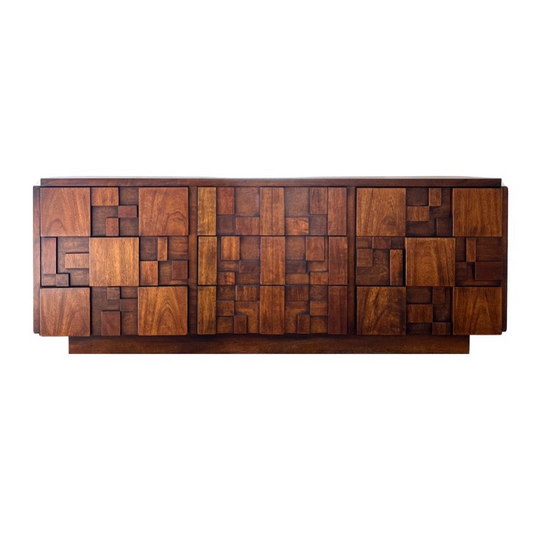
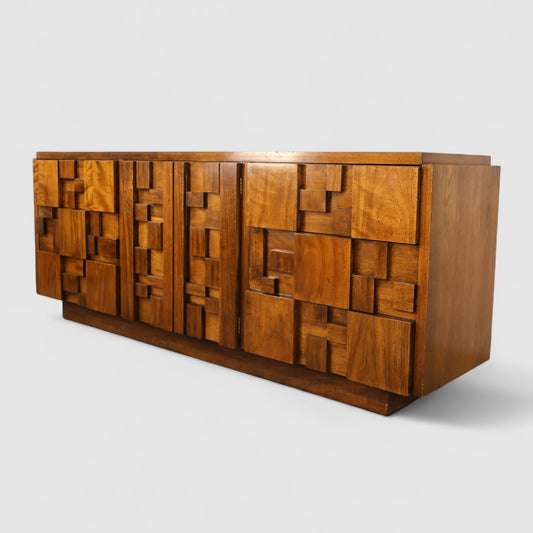
Lane Staccato Vintage Mid Century Modern Brutalist 9 Drawer Lowboy Dresser c. 1970s
Vendor:LaneRegular price $2,995.00 USDRegular priceUnit price per -
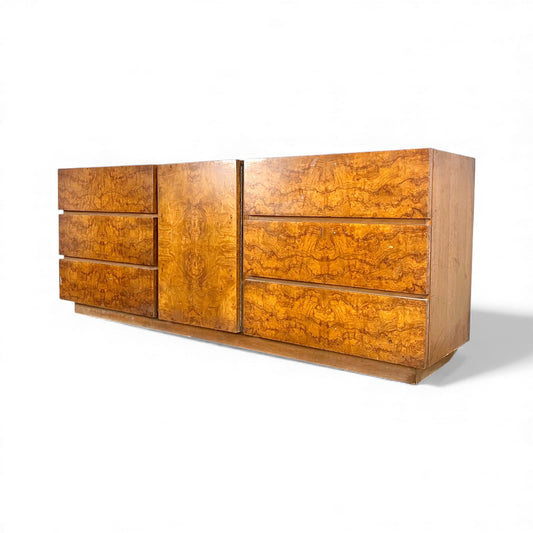
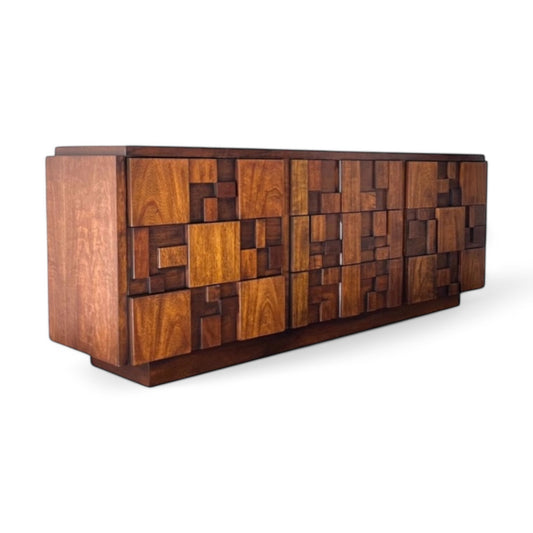
Lane Vintage Brutalist Mid Century Modern Burl 9 Drawer Lowboy Dresser c. 1970s
Vendor:LaneRegular price $2,275.00 USDRegular priceUnit price per -
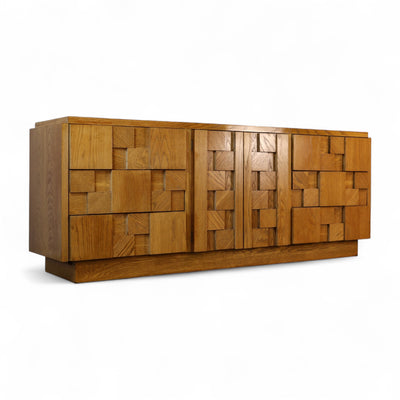
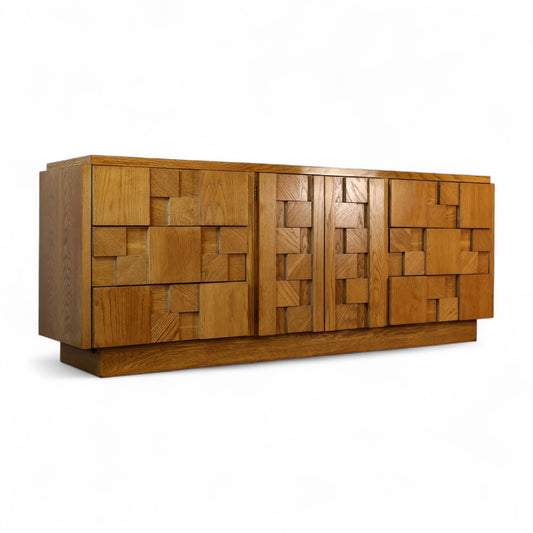
Lane Staccato Brutalist Vintage Mid Century Modern White Oak Lowboy Dresser c. 1970s
Vendor:LaneRegular price $2,275.00 USDRegular priceUnit price per -
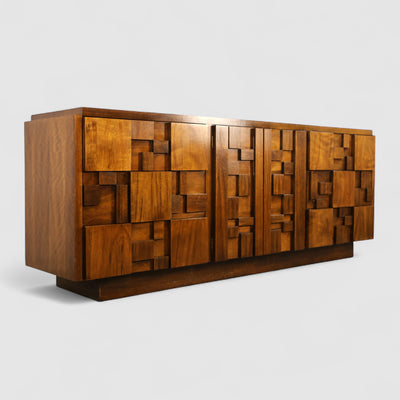
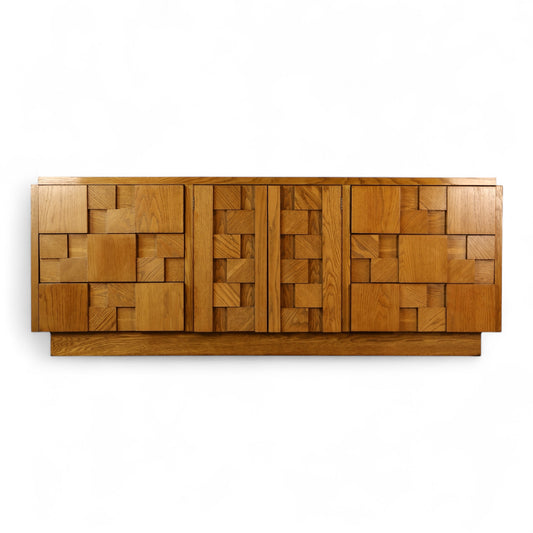
Lane Staccato Vintage Brutalist Mid Century Modern Lowboy 9 Drawer Dresser c. 1970s
Vendor:LaneRegular price $2,875.00 USDRegular priceUnit price per -
Lane Staccato Vintage Mid Century Modern Brutalist Lowboy 9 Drawer Dresser c. 1970s
Vendor:LaneRegular price $3,175.00 USDRegular priceUnit price per -
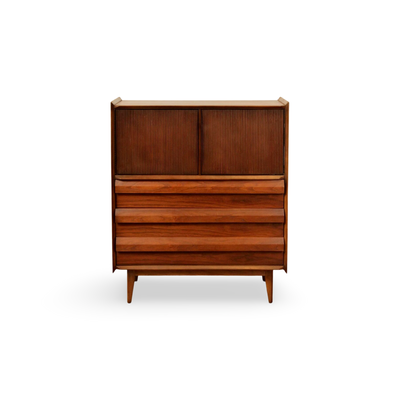
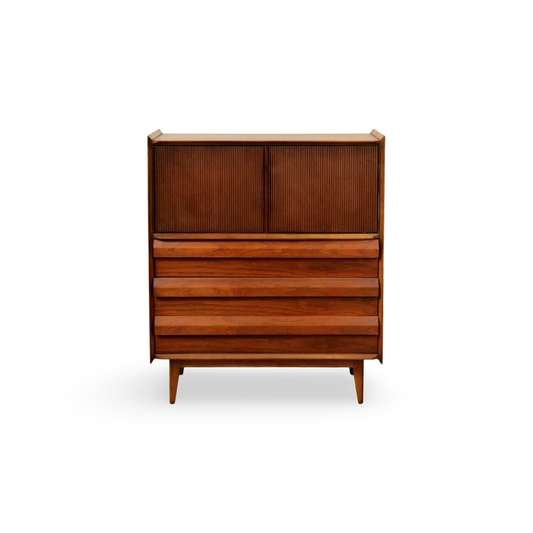
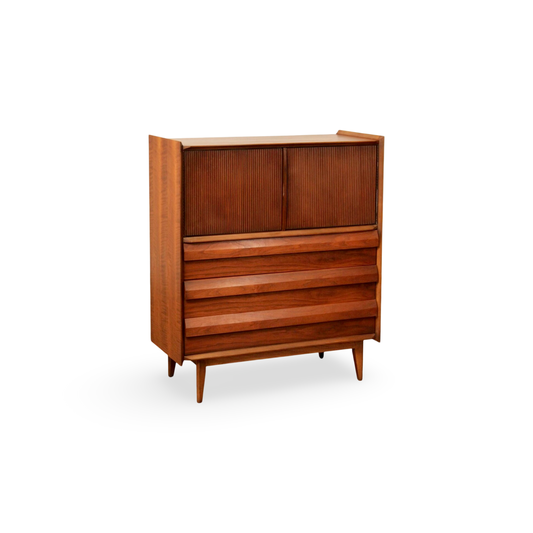
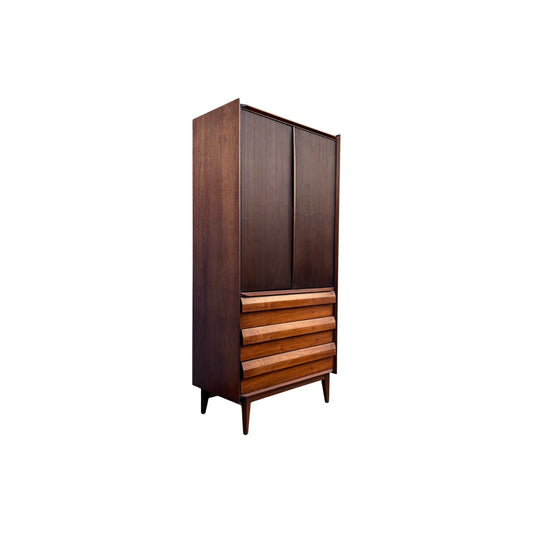
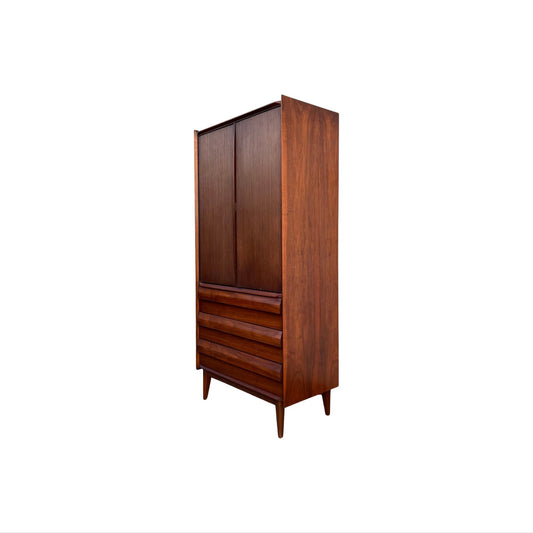
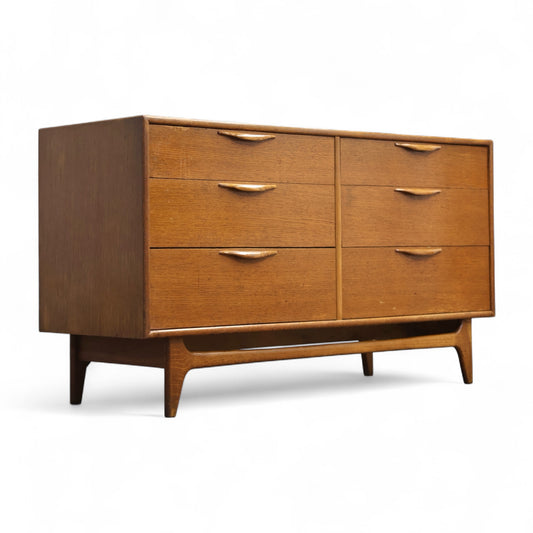
Lane First Edition Vintage Mid Century Modern Highboy Dresser c. 1960s
Vendor:LaneRegular price $1,875.00 USDRegular priceUnit price per -
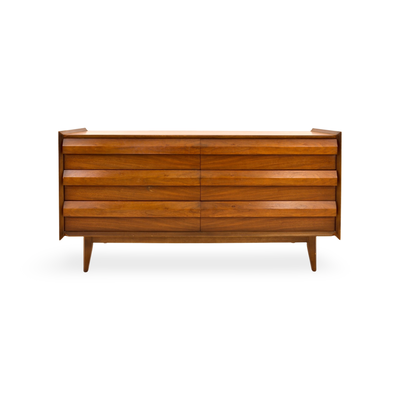
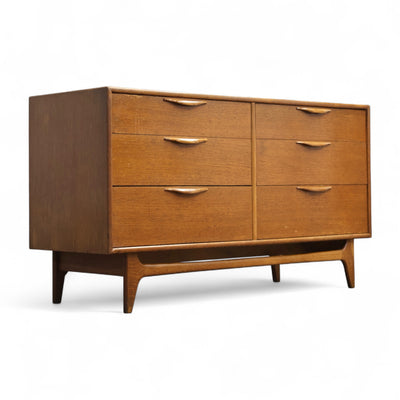
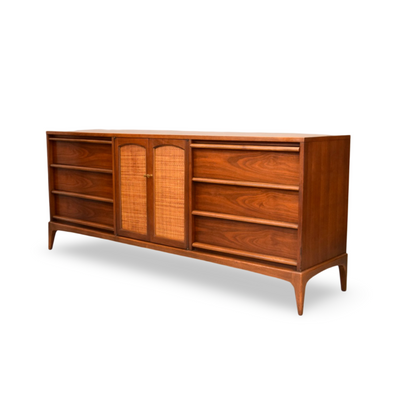
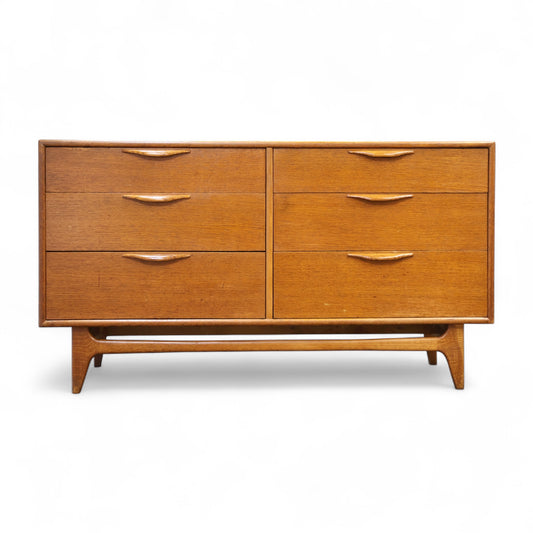
Lane First Edition Vintage Mid Century Modern 6 Drawer Lowboy Dresser c. 1960s
Vendor:LaneRegular price $1,975.00 USDRegular priceUnit price per -
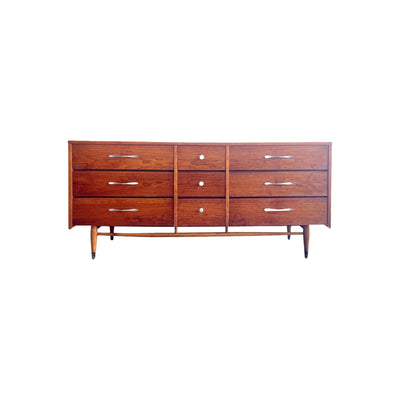
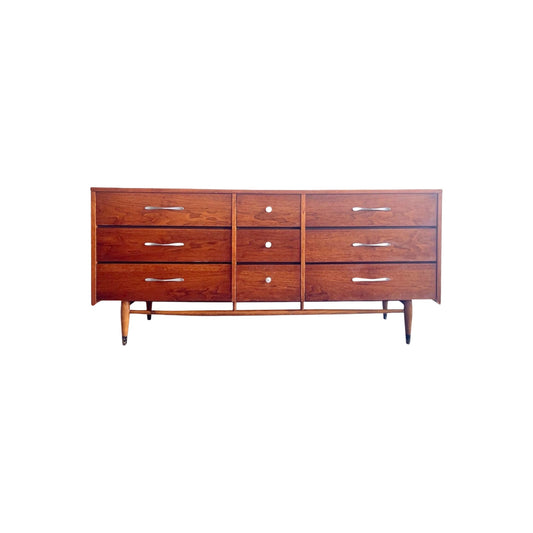
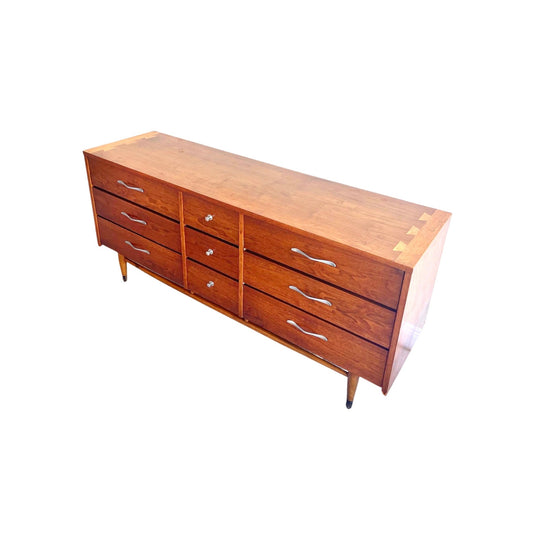
Lane Acclaim Vintage Mid Century Modern Lowboy Dresser c. 1960s
Vendor:LaneRegular price $2,295.00 USDRegular priceUnit price per -
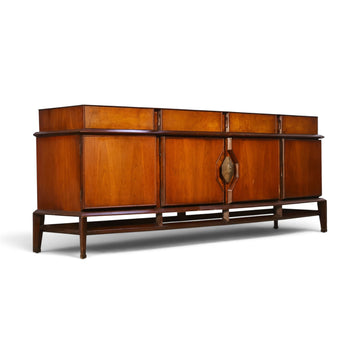
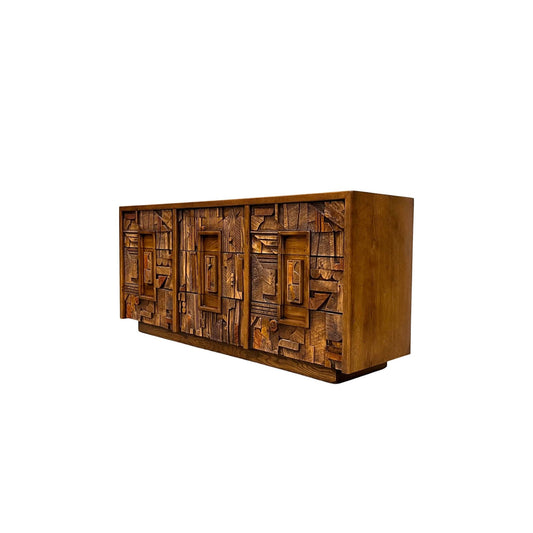
Lane Pueblo Brutalist Mid Century Modern Vintage Lowboy Dresser Credenza c. 1970s
Vendor:LaneRegular price $2,495.00 USDRegular priceUnit price per -
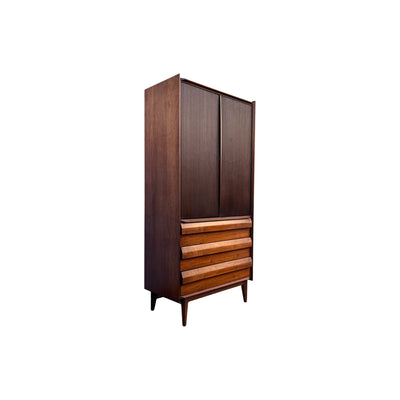
Lane First Edition Tall Mid Century Modern Gentlemen’s Armoire Dresser c. 1960s
Vendor:LaneRegular price $2,795.00 USDRegular priceUnit price per -
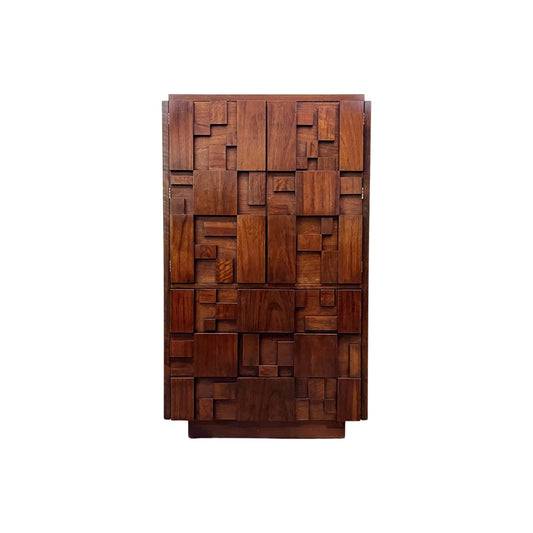
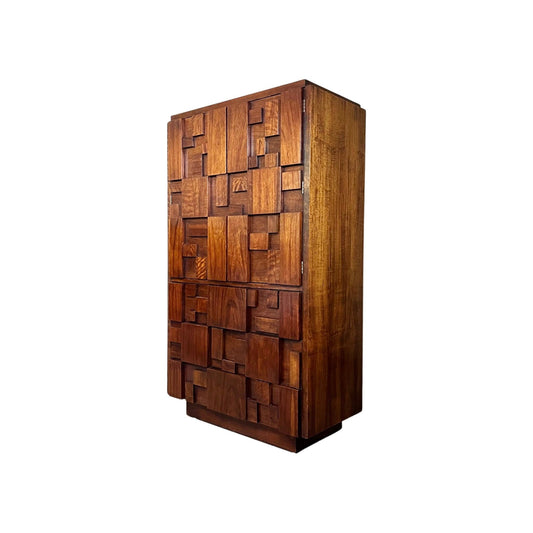
Lane Staccato Mid Century Modern Vintage Brutalist Armoire Chifferobe Dresser
Vendor:LaneRegular price $2,675.00 USDRegular priceUnit price per -
Lane Perception Vintage Mid Century Modern 6 Drawer Lowboy Dresser c. 1960s
Vendor:LaneRegular price $1,775.00 USDRegular priceUnit price per -
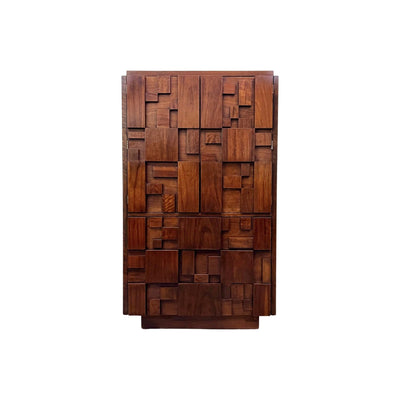
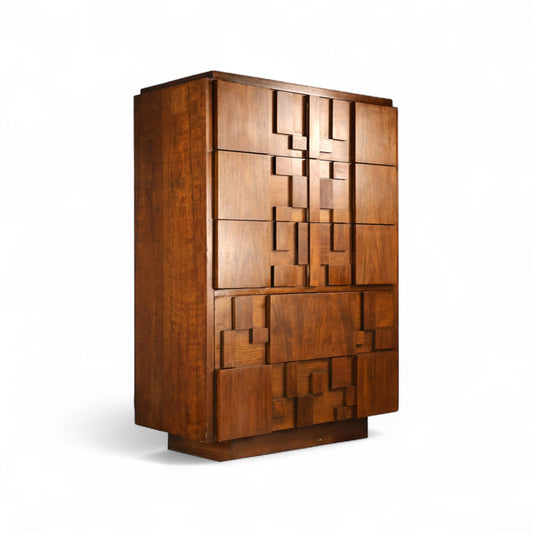
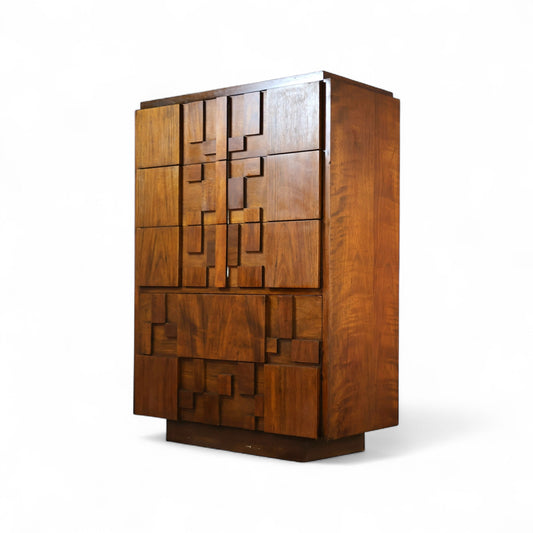
Lane Staccato Vintage Brutalist Mid Century Modern 5 Drawer Highboy Dresser c. 1970s
Vendor:LaneRegular price $2,375.00 USDRegular priceUnit price per -
Lane Rhythm Vintage Mid Century Modern 9 Drawer Lowboy Dresser c. 1960s
Vendor:LaneRegular price $2,475.00 USDRegular priceUnit price per -
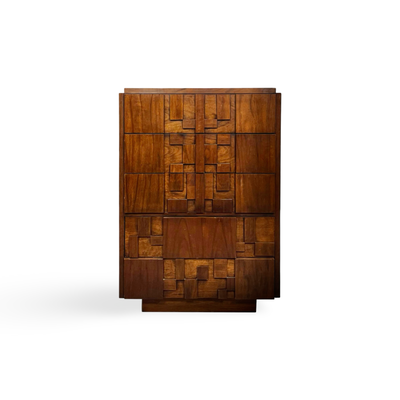
Lane Staccato Vintage Mid Century Modern Brutalist 5 Drawer Highboy Dresser c. 1970s
Vendor:LaneRegular price $2,375.00 USDRegular priceUnit price per







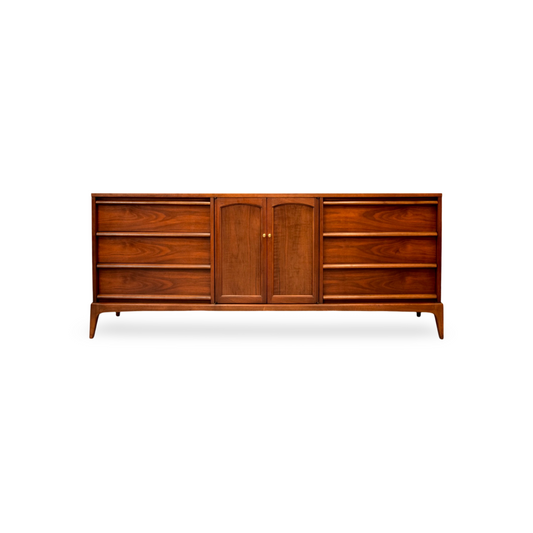

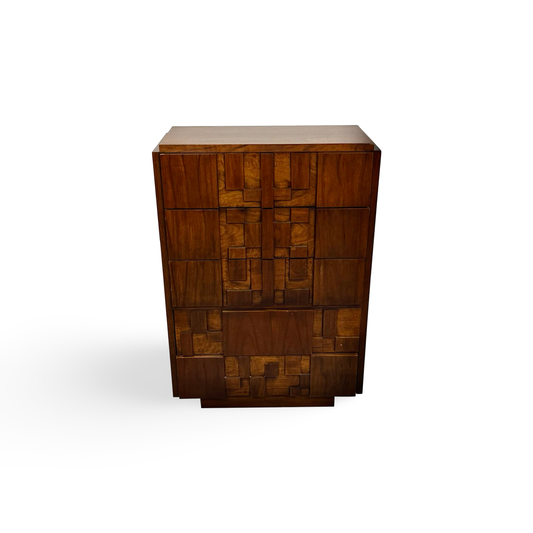
Vintage Lane Dressers
Lane Furniture Company — based in Altavista, Virginia — was one of America's most prolific mid-century furniture manufacturers, and their bedroom collections represent some of the finest walnut case pieces produced during the era. Lane dressers are immediately recognizable for their dovetail inlay accents on drawer fronts, their rich walnut veneers, and the coordinated suite approach that let buyers furnish entire bedrooms in a unified aesthetic. From the graphic boldness of the Acclaim line to the quieter elegance of First Edition and the sculptural Pueblo series, Lane bedroom furniture remains among the most collected American mid-century pieces today.
What sets Lane dressers apart from contemporaries like Bassett or Drexel is the quality of their decorative inlay work and the care taken with veneer selection and matching. Dovetail inlay patterns in contrasting light and dark woods appear on drawer fronts, case sides, and tops across multiple Lane lines. Combined with solid brass hardware and cleanly tapered or hairpin-style legs, these are dressers that read as genuinely designed objects rather than factory case goods.
Lane Dresser Lines
The Acclaim line, designed by Andre Bus, is Lane's most iconic mid-century collection and its dresser pieces are the most sought after. Featuring the signature dovetail inlay chevron pattern on drawer fronts and sides, Acclaim bedroom furniture has a graphic confidence that photographs well and holds up in contemporary interiors. The Staccato line offered a more restrained version of the same vocabulary — simpler inlay patterns, quieter hardware. First Edition pieces feature a horizontal inlay stripe design rather than the chevron, with a warmer, more Danish-influenced aesthetic. The Pueblo series took a sculptural turn with curved case edges and a more organic inlay treatment. All four lines remain popular with collectors and interior designers working in mid-century and transitional styles.
What to Look for When Buying a Vintage Lane Dresser
- Inlay integrity — The dovetail inlay is Lane's signature. Check that inlay pieces are fully adhered with no lifting, gaps, or missing sections. Inlay repairs are possible but can be visible; complete inlay is a significant quality indicator.
- Veneer condition — Lane used high-quality walnut veneer, but tops and sides can show water ring damage, lifting edges, or refinishing over the years. Original finish in good condition is ideal.
- Drawer action — Lane drawers are dovetail-joined and should glide smoothly. Sticking or binding typically indicates moisture exposure to the carcass.
- Hardware — Original brass Lane pulls have a distinctive profile. Many pieces have been rehardwared; period-appropriate replacement hardware is acceptable but original adds value and confirms authenticity.
- Line identification — Look for the Lane paper label or metal tag inside a drawer or on the back panel. Labels typically identify the line (Acclaim, Staccato, etc.) and production date.
As-Is vs. Restored Lane Dressers
We carry Lane dressers both as-is and fully restored. As-is pieces retain their original finish and patina — ideal for buyers who want period authenticity or plan their own restoration. Our restored Lane dressers have been professionally refinished with period-appropriate walnut tones, drawers tuned, and hardware cleaned or appropriately replaced. Every listing clearly states its condition with detailed photographs.
Pair With
Lane dressers were designed as part of coordinated suites — browse our dedicated Lane line collections for matching nightstands, beds, and chests: Lane Acclaim, Lane Staccato, Lane First Edition, and Lane Pueblo. For a broader selection of mid-century bedroom furniture, see our full vintage dresser collection and complete Lane furniture catalog.
Further Reading
For a deep dive into Lane's history, key lines, and collecting tips, see our Vintage Lane Furniture Collector's Guide. For broader context, see our guides to vintage mid-century modern bedroom furniture and how to authenticate vintage MCM furniture.