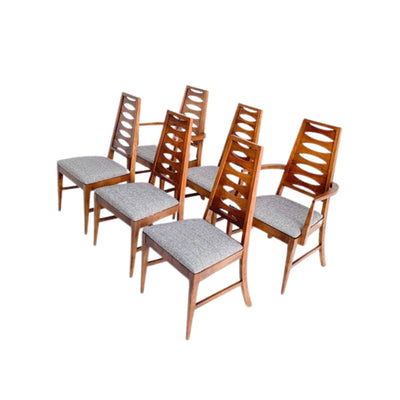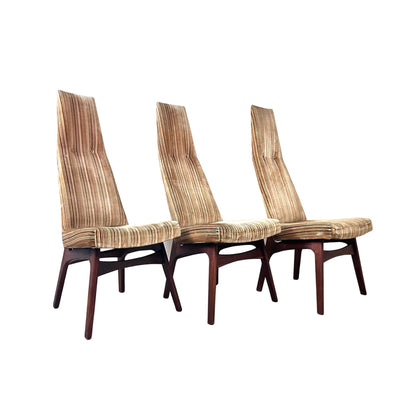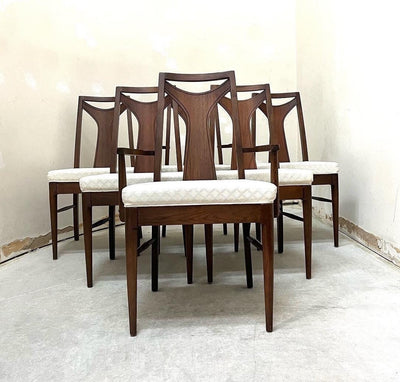
-
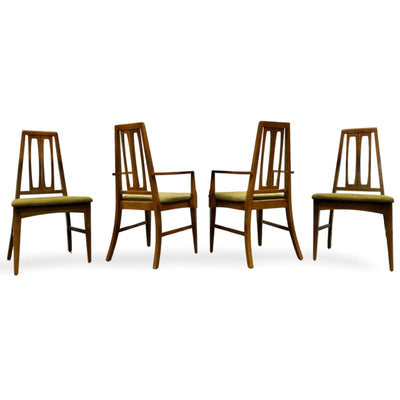
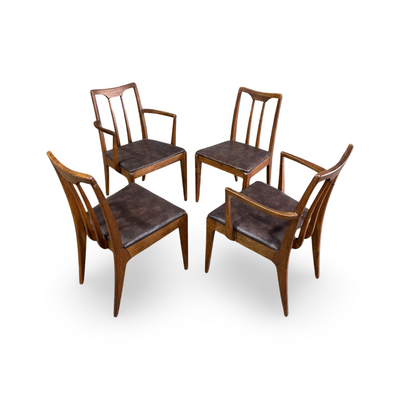
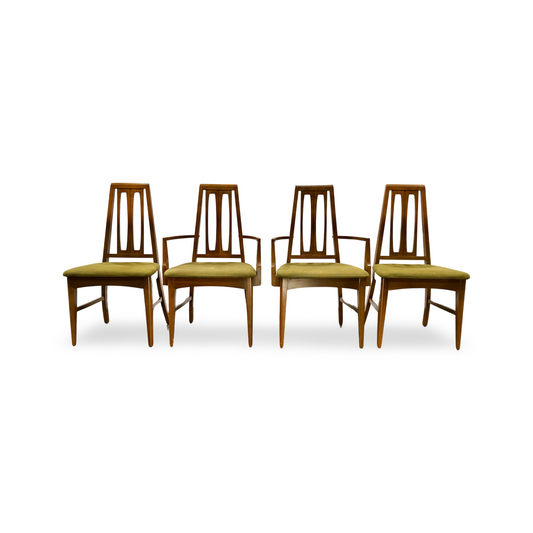
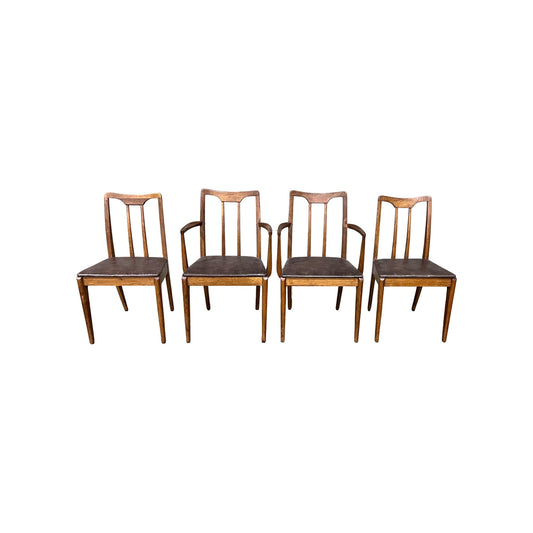
Young Manufacturing Mid Century Walnut Dining Chairs - Set of 4 c. 1970s
Vendor:Young ManufacturingRegular price From $1,375.00 USDRegular priceUnit price per -
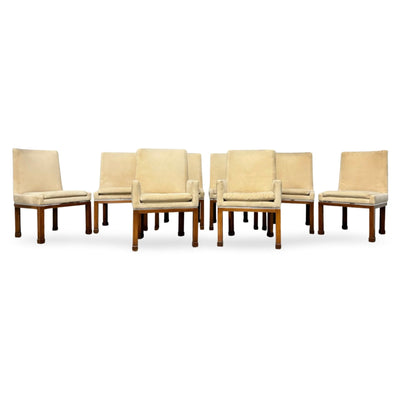
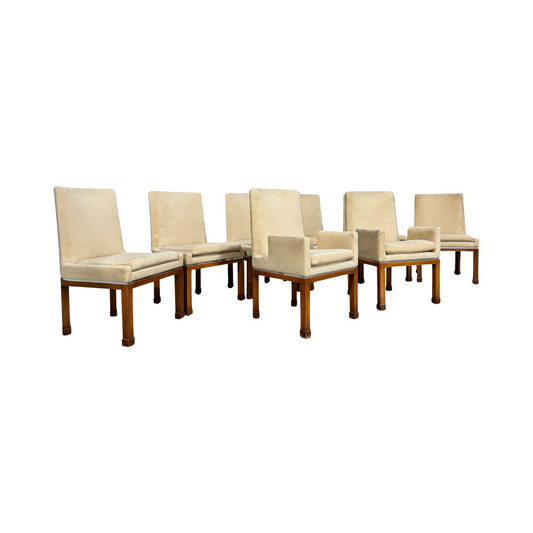
Vladimir Kagan Vintage Postmodern Handmade & Signed Dining Chairs, Set Of Eight c. 1970s
Vendor:Vladimir KaganRegular price $5,975.00 USDRegular priceUnit price per -
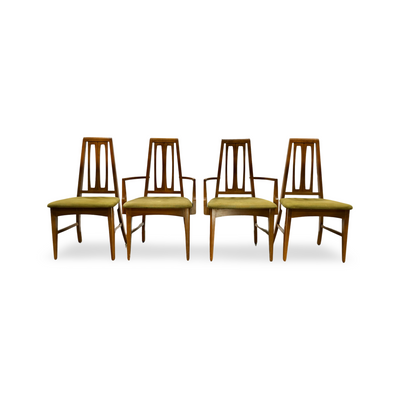
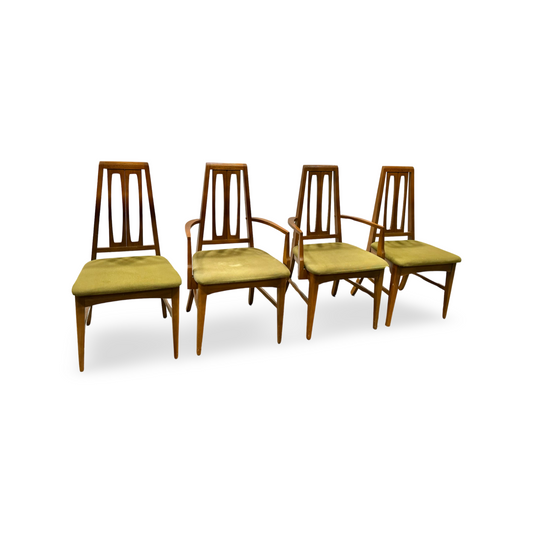
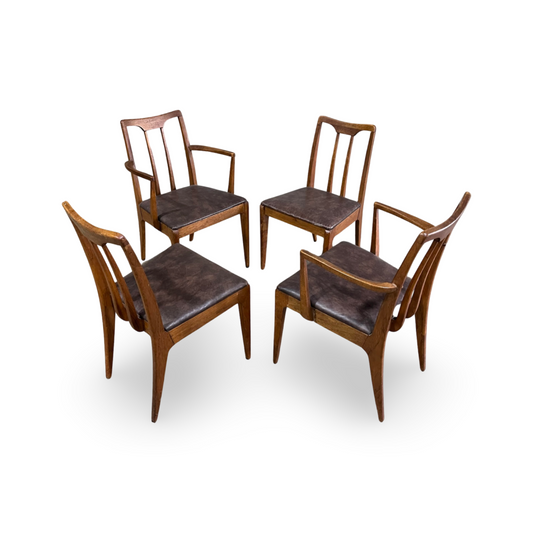
Young Manufacturing Mid Century Walnut Dining Chairs - Set of 4 c. 1970s
Vendor:Young ManufacturingRegular price $1,595.00 USDRegular priceUnit price per -
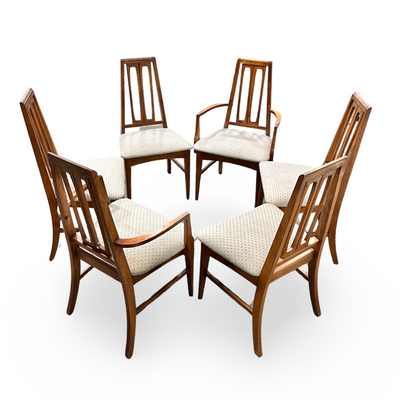
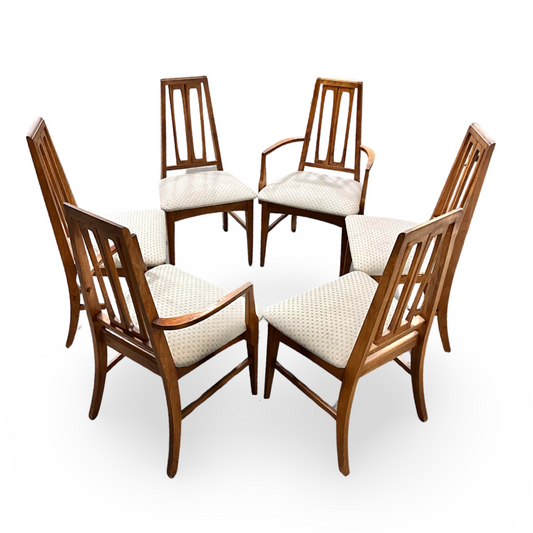
Young Manufacturing Set of 6, 8 or 10 Vintage Mid Century Modern Dining Chairs c. 1960s
Vendor:Young ManufacturingRegular price From $2,475.00 USDRegular priceUnit price per -
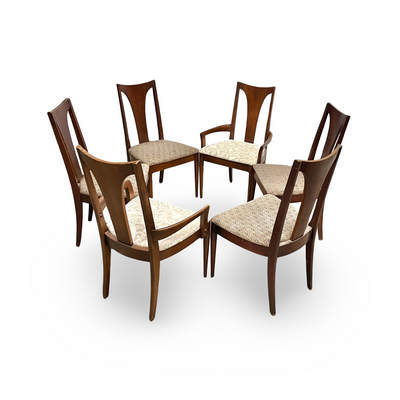
Broyhill Brasilia Vintage Mid Century Modern Set of 6 T-Back Dining Chairs c. 1960s
Vendor:BroyhillRegular price $2,495.00 USDRegular priceUnit price per -
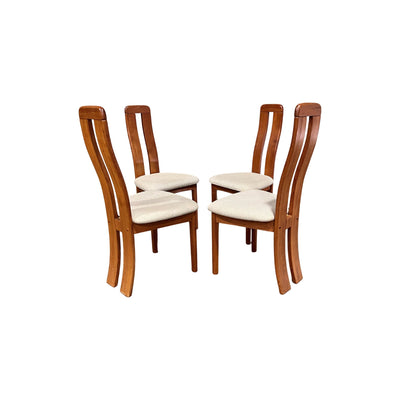
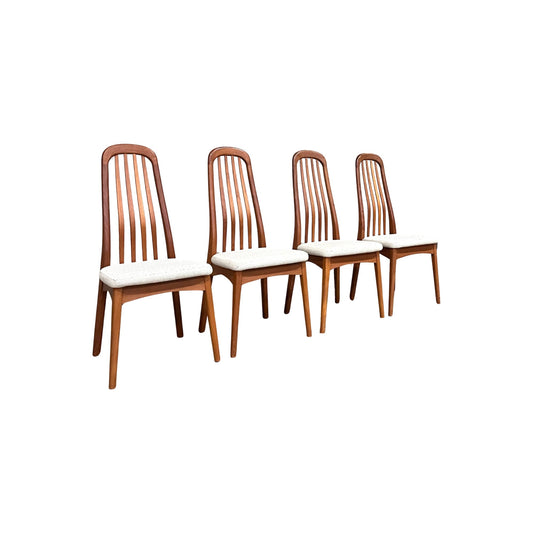
Benny Linden set of Four Teak Danish Mid Century Modern Dining Chairs c. 1960s
Vendor:Benny LindenRegular price $1,695.00 USDRegular priceUnit price per -
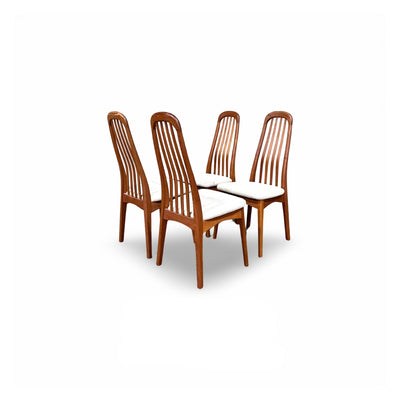
Benny Linden Danish Mid Century Modern Set of 4 Highback Dining Chairs
Vendor:Benny LindenRegular price $1,495.00 USDRegular priceUnit price per -
John Van Koert for Drexel Projection Mid Century Modern Dining Chairs c. 1960s
Vendor:Drexel FurnitureRegular price $1,595.00 USDRegular priceUnit price per -
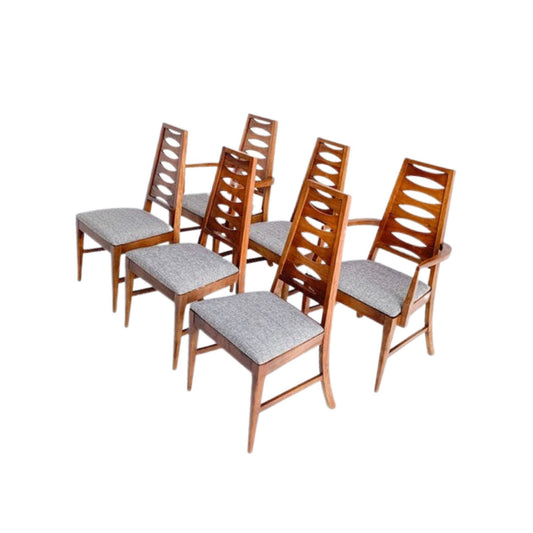
Young Manufacturing Mid Century Modern High Back Set of 6 Cat Eye Dining Chairs c. 1960s
Vendor:Young ManufacturingRegular price $1,795.00 USDRegular priceUnit price per -
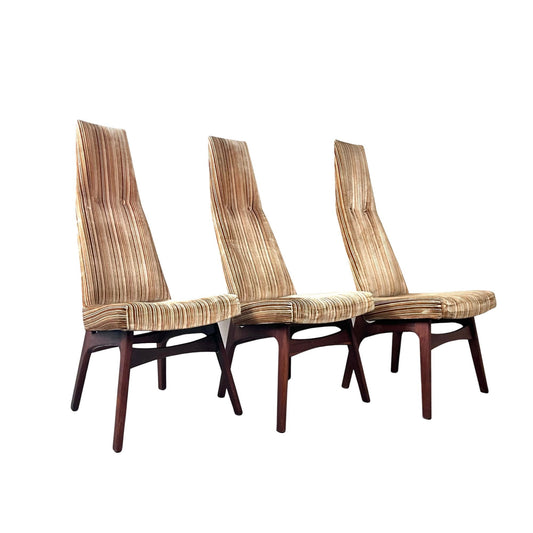
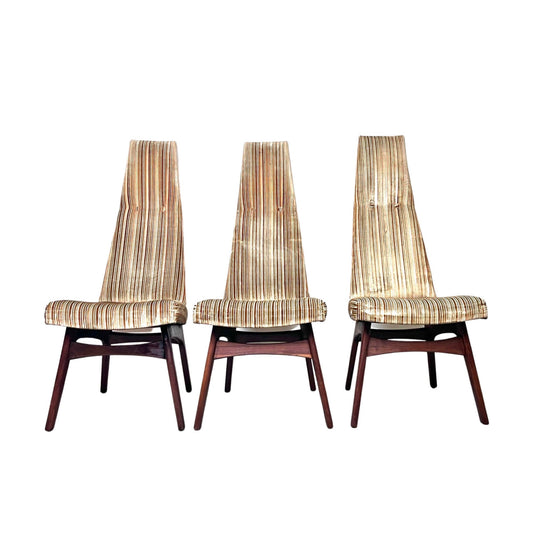
Adrian Pearsall for Craft Associates (1 Chair) High Back Angled Dining or Accent Chairs c. 1960s
Vendor:Craft AssociatiesRegular price $495.00 USDRegular priceUnit price per -
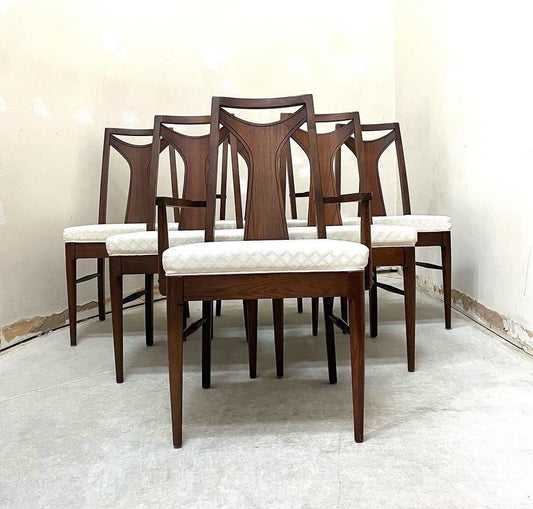
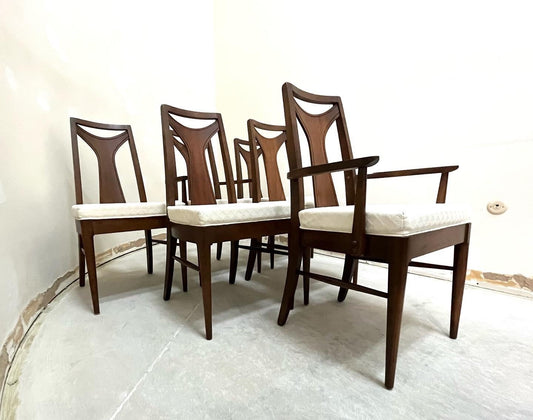
Kent Coffey "Perspecta" Mid Century Modern Set of 6 Dining Chairs c. 1960s
Vendor:Kent CoffeyRegular price $1,995.00 USDRegular priceUnit price per
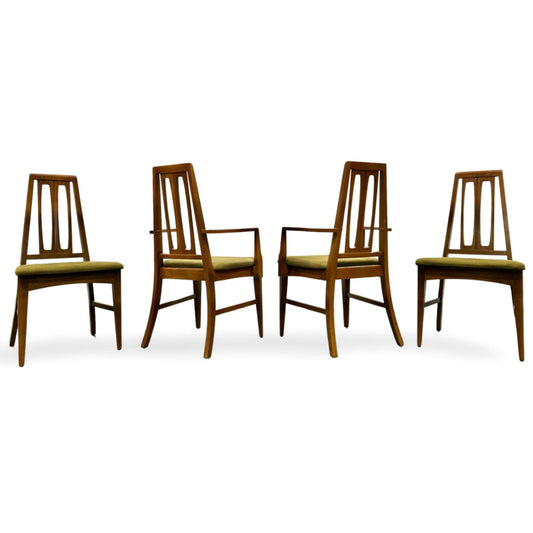
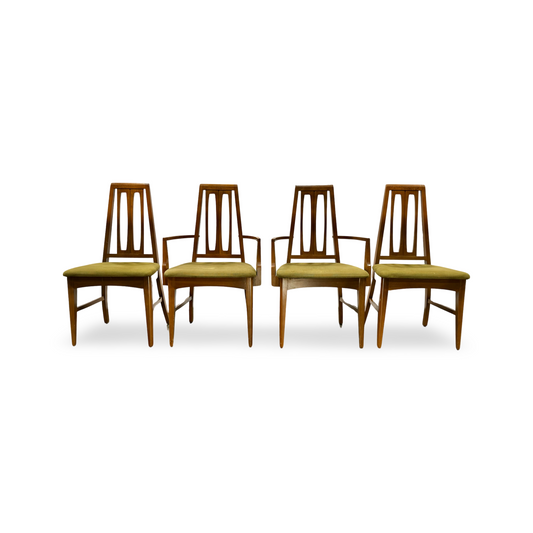
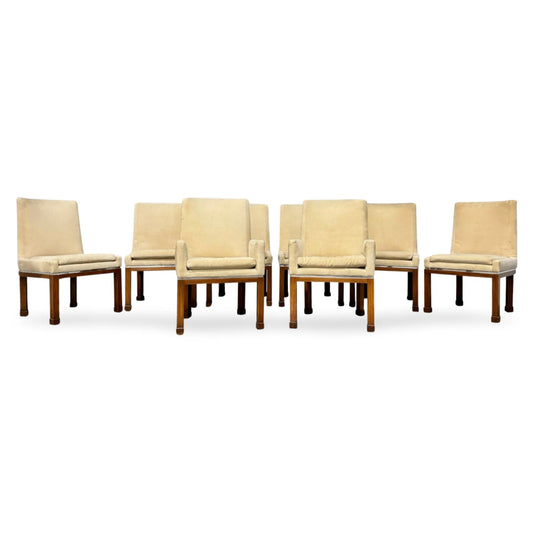
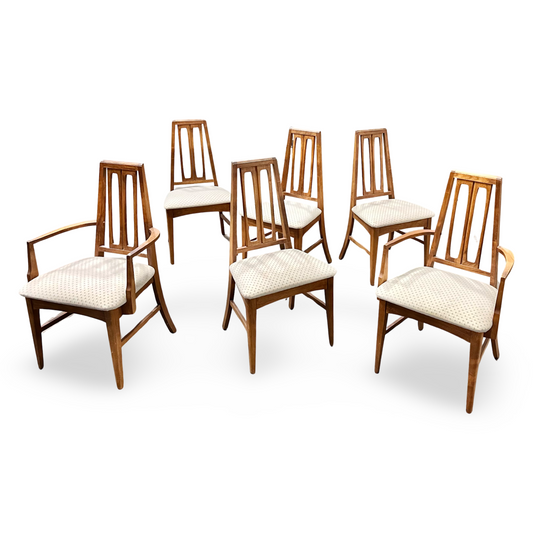
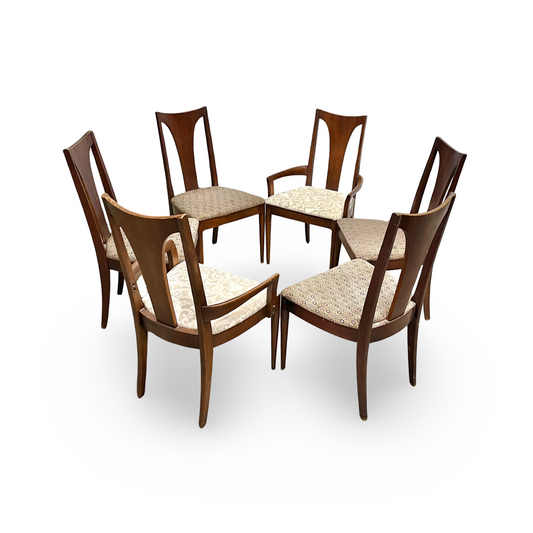
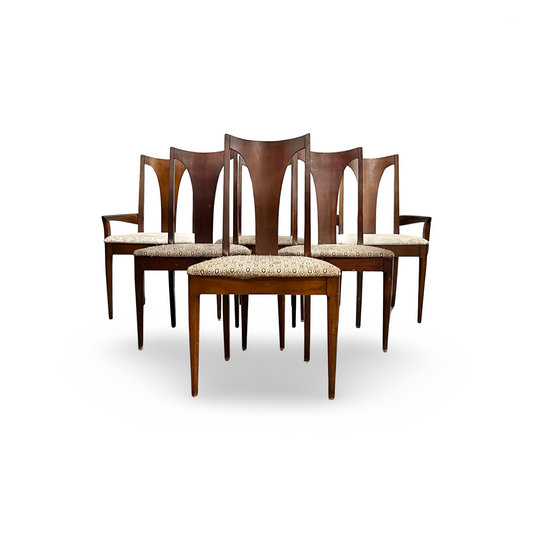
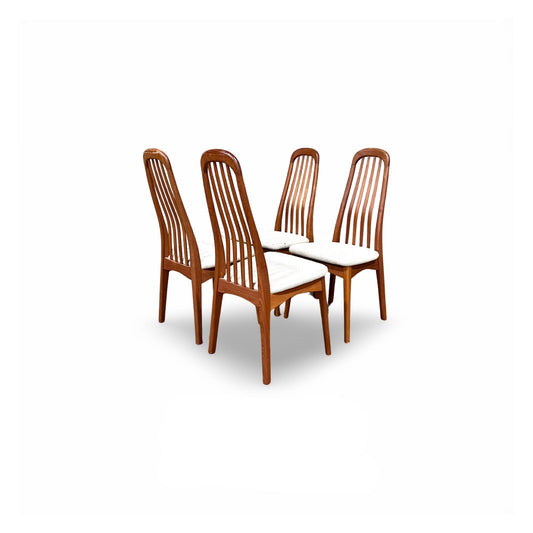
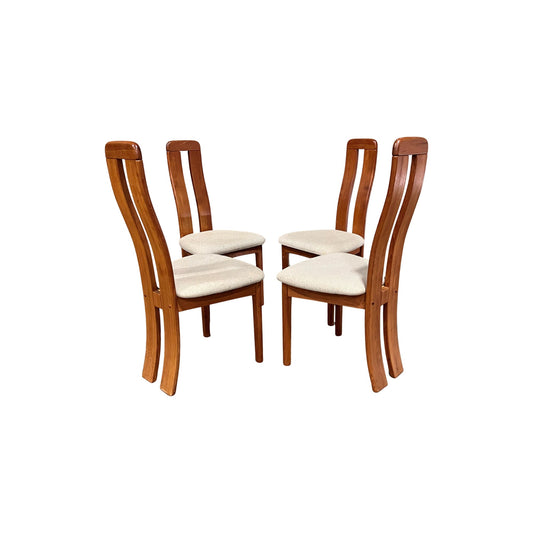
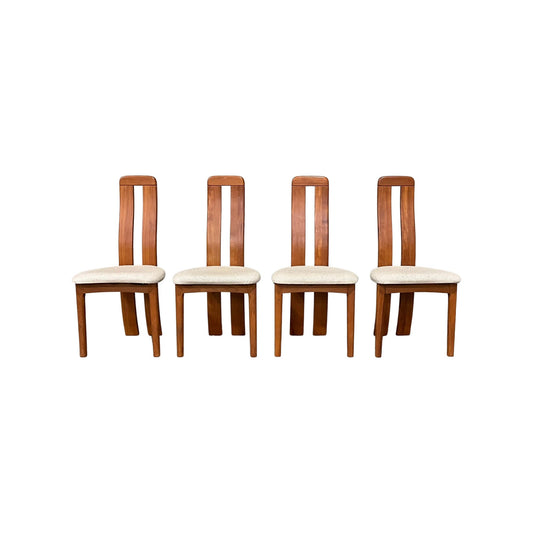

Dining Chairs
Our curated collection of vintage mid-century modern dining chairs features iconic designs from Broyhill Brasilia, Kent Coffey, Drexel, Lane, Young Manufacturing, and other celebrated manufacturers. Each set combines sculptural beauty with solid construction—bringing authentic mid-century character to your dining room with pieces built to last generations.
Why Collect Vintage Dining Chairs
Mid-century dining chairs represent some of the most thoughtfully designed seating ever produced. Designers of the era understood that a dining chair must balance comfort, durability, and visual appeal—pieces that would be used daily for decades. The result is furniture with clean lines, ergonomic proportions, and warm wood tones that feel as inviting today as when they were first crafted.
What makes vintage dining chairs particularly compelling is the quality of construction. American manufacturers like Broyhill, Kent Coffey, Drexel, and Lane used solid hardwood frames, precision joinery, and quality upholstery to produce chairs that have endured beautifully for over half a century. The sculptural details—Brasilia's iconic arched backs, Perspecta's rosewood accents, Profile's elegant curves—give each collection genuine artistic character that mass-produced modern chairs simply cannot match.
Vintage dining chairs also offer exceptional versatility. A set of four or six mid-century chairs can anchor a period dining room, complement a modern farmhouse table, or add warmth to a contemporary space. Many collectors mix side chairs and arm chairs from the same collection to create dynamic seating arrangements with visual depth.
“Great dining chairs do more than complete a table—they set the tone for every meal and gathering. Vintage mid-century chairs bring a warmth and craftsmanship that transforms dining from routine to ritual.
— Mod City Mad
Featured Collections
Broyhill Brasilia Dining Chairs
The Brasilia dining chair features the collection's signature sculpted arch motif on its back splat, creating one of the most recognized silhouettes in mid-century design. Available in side and captain's chair configurations with warm walnut frames. Values range from $300–$600 per chair, with sets of four to six commanding $1,200–$4,000+.
Kent Coffey Perspecta Dining Chairs
Perspecta dining chairs showcase the collection's dramatic rosewood inlay accents against warm walnut frames—creating a striking two-tone aesthetic. These chairs are among the most visually distinctive dining chairs of the era. Values range from $300–$600 per chair.
Drexel Profile Dining Chairs
Designed by John Van Koert, Drexel Profile dining chairs feature refined proportions, elegant curves, and quality construction. Their understated sophistication makes them versatile pieces that complement a wide range of table styles. Values range from $200–$500 per chair.
Lane, Young Manufacturing & Others
Our collection also includes dining chairs from Lane (Perception, First Edition), Young Manufacturing, and other quality mid-century manufacturers. Each offers distinctive design character and solid construction. Values range from $200–$500 per chair.
Buying Guide
When selecting vintage dining chairs, consider how many you need and whether you want a matched set or a curated mix. Sets of four are standard for most dining rooms, while sets of six accommodate larger tables and entertaining. Many collectors pair side chairs with two arm chairs at the head positions for a classic arrangement.
Condition evaluation should focus on structural integrity—check that joints are solid, legs are stable, and frames sit level. Examine upholstered seats for cushion condition and fabric integrity. Original upholstery adds authenticity, though reupholstering is common and does not diminish value. Test seat comfort by sitting in the chair if possible; mid-century chairs were designed for extended use.
Our pieces are sold as-is in their authentic vintage condition. For collectors seeking restored examples, we offer optional professional restoration through our in-house workshop. All pieces ship worldwide with insurance.
Frequently Asked Questions
How many dining chairs should I buy?
Most dining rooms use four to six chairs. A set of four suits standard rectangular or round tables, while six chairs accommodate larger tables and provide extra seating for entertaining. Consider buying an extra chair or two as spares—matching vintage chairs can be difficult to find later.
Can I reupholster vintage dining chairs?
Yes, reupholstering is common and does not diminish the value of vintage dining chairs. Most mid-century dining chairs feature removable seat cushions that make reupholstery straightforward. Choose fabrics that complement the wood tones and era—textured weaves and rich solids work particularly well.
What is the difference between side chairs and arm chairs?
Side chairs have no armrests and tuck neatly under the table, making them ideal for the sides of the dining table. Arm chairs (also called captain's chairs) feature armrests and are typically placed at the head and foot of the table. Mixing both styles creates a classic, dynamic arrangement.
Shop by Collection
Frequently Asked Questions About Vintage Mid-Century Modern Dining Chairs
What makes a good vintage mid-century modern dining chair?
The best vintage MCM dining chairs combine structural integrity, comfortable seating, and timeless design. Look for solid hardwood or molded plywood construction, joints that are tight and stable, and seats that are properly proportioned for dining-height tables (typically 17–19 inches from floor to seat). Original upholstery in good condition is a significant bonus—quality period fabrics, vinyl, or leather add authenticity and reduce the cost and effort of reupholstery. The strongest mid-century dining chairs have retained their structural integrity over decades: try sitting in the chair and applying lateral pressure to check for wobble or looseness before purchasing.
What are the most iconic mid-century modern dining chair styles?
The most recognizable MCM dining chair styles include: the ladder-back design with horizontal slat backs in walnut; sculpted organic forms by designers like Adrian Pearsall and Harvey Probber; the Danish modern dining chair—typically in teak with a simple curved back and upholstered seat; arm chairs and side chairs in matched sets by makers like Drexel, Lane, and Broyhill; and upholstered barrel or tub chairs adapted for dining use. Walnut is the dominant wood for American MCM dining chairs, while teak dominates the Scandinavian tradition.
How do I know if vintage dining chairs are sturdy enough for daily use?
The key test is sitting in the chair and applying light lateral and rocking pressure—any significant movement or creaking indicates loose joints that need repair before regular use. Check all leg-to-seat frame joints visually for cracking, gap, or old repair attempts. Chairs with properly glued mortise-and-tenon or dowel joints and no prior repairs are the most reliable. Professional joint regluing (a common and relatively inexpensive repair) can restore a wobbly chair to full structural integrity. Avoid chairs with cracked or split wood in structural members—these are much harder to repair properly and may compromise long-term safety.
What dining table height do mid-century dining chairs work with?
Standard mid-century modern dining chairs are designed for standard dining table height of 28–30 inches from floor to tabletop, with seat heights of 17–19 inches providing the typical 10–12 inch clearance between seat and tabletop. Most vintage MCM dining chairs will work well with standard-height dining tables purchased today. Be cautious when pairing vintage chairs with counter-height (36-inch) or bar-height (42-inch) tables—MCM chairs were not designed for these heights and will be uncomfortable. Measure both your table height and the chair's seat height before mixing vintage chairs with a new or non-standard table.
Can vintage mid-century dining chairs be reupholstered?
Yes—reupholstery is extremely common for vintage MCM dining chairs and is a standard part of restoring these pieces for daily use. The seat pad (and back pad if present) can typically be removed by unscrewing from the frame and reupholstered with new foam and fabric. A professional upholsterer can complete a standard dining chair seat pad reupholstery for a modest cost, and the range of period-appropriate fabrics available today—bouclés, wools, velvets, and leathers in MCM-compatible colors—makes it straightforward to match the original aesthetic. Structural repairs (joint regluing, leg stabilization) should always be completed before reupholstery.
Want to learn more? Read our in-depth Dining Chairs Collector's Guide — covering history, authentication, value, and buying tips.