-
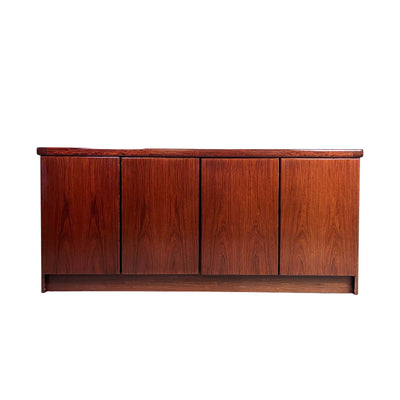
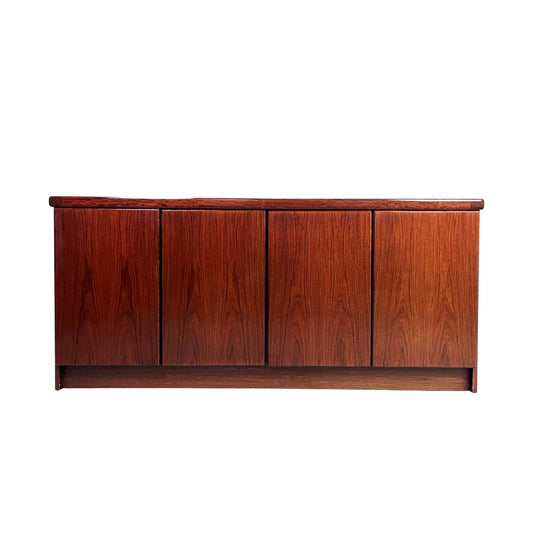
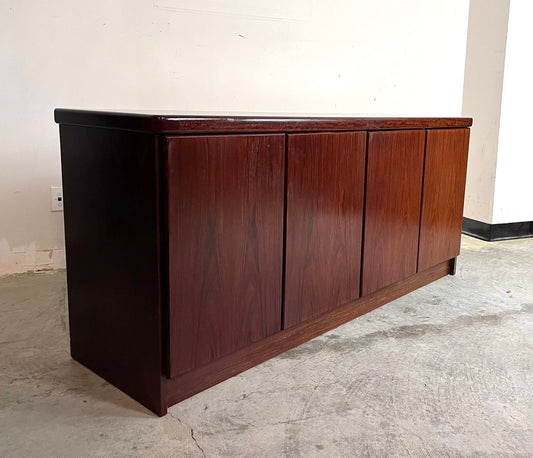
Christian Linneberg Rosewood Danish Modern Mid Century Credenza Sideboard
Vendor:Christian LinnebergRegular price $1,495.00 USDRegular priceUnit price per -
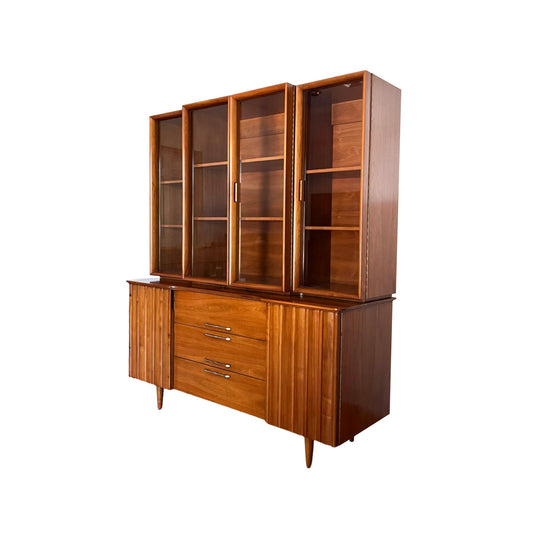
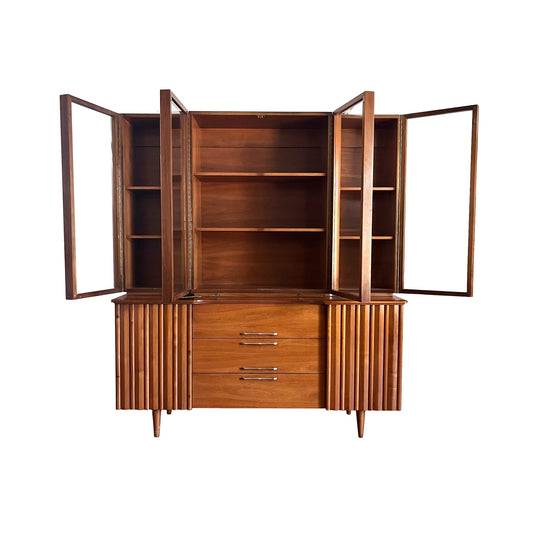
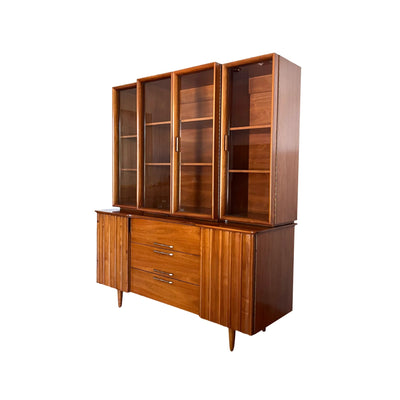
United Furniture style Danish Mid Century Modern Buffet Sideboard with China Hutch c. 1960s
Vendor:United FurnitureRegular price $2,695.00 USDRegular priceUnit price per -
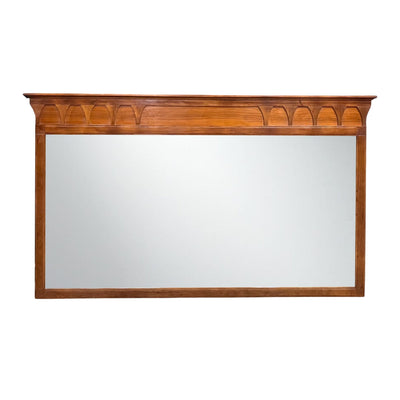
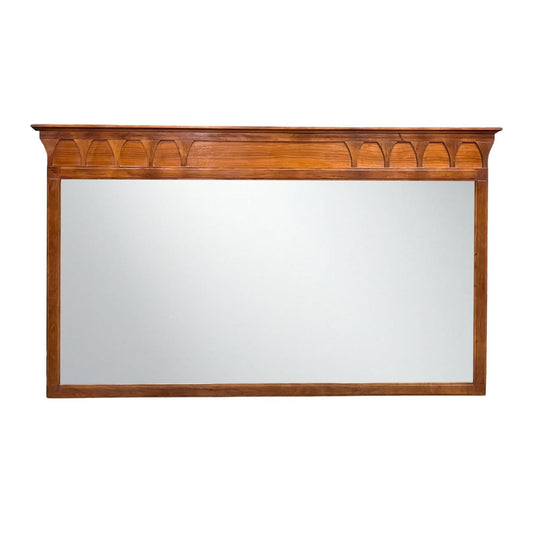
XL Danish Mid Century Modern Vintage Wall Mirror c. 1960s
Vendor:OtherRegular price $495.00 USDRegular priceUnit price per
Danish Modern Furniture
Danish modern furniture is one of the most enduring and influential design movements of the twentieth century. Emerging in the 1940s and reaching its global peak in the 1960s, the movement produced a body of residential furniture that remains as relevant and desirable as any design from the modern era.
The principles of Danish modern design are straightforward: honest materials, usually solid teak or rosewood with natural oil or lacquer finish; clean, functional forms without applied ornament; joinery that is both structurally sound and visually expressive; and proportions calibrated for human comfort rather than architectural drama. Hans Wegner, Finn Juhl, Arne Jacobsen, and Ole Wanscher were among the designers who defined the canon.
In the American market, Danish modern arrived primarily through import channels — furniture exported by Danish makers and sold through specialty retailers in the 1950s and 1960s. Much of this furniture was produced by smaller workshops to exacting handcraft standards, using solid teak or rosewood in construction methods that prioritized durability over economy.
At Mod City Mad, our Danish modern collection spans seating, case goods, and occasional tables sourced from estate sales, private collections, and original American importers. Every piece is assessed for construction quality, wood condition, and hardware integrity. We carry both original-condition examples and professionally restored pieces.
Danish modern furniture rewards close attention — the quality of material and joinery in even modest pieces from this era is remarkable by any contemporary standard.
Frequently Asked Questions About Danish Modern Furniture
What is Danish modern furniture?
Danish modern refers to the design movement that emerged from Denmark in the 1940s–1960s, producing furniture characterized by clean lines, natural materials (primarily teak and rosewood), superb craftsmanship, and an emphasis on functional beauty. Designers like Hans Wegner, Finn Juhl, Arne Jacobsen, and Børge Mogensen defined the movement internationally.
How do I identify authentic Danish modern furniture?
Look for manufacturer marks on the underside — Danish makers typically used branded or stamped labels. Quality materials (solid teak, rosewood, or oak) and impeccable joinery are reliable indicators. The proportions of Danish pieces tend to be refined and carefully balanced; reproductions often lack the precision of originals.
Is teak or rosewood more valuable in Danish furniture?
Rosewood (palisander) is generally more valuable than teak due to its richer color, dramatic grain patterns, and increasing rarity. However, the designer and manufacturer matter more than the wood species — a Hans Wegner teak piece will typically be more valuable than a generic rosewood piece from an unknown maker.
How do I care for vintage Danish teak furniture?
Clean with a damp cloth and mild soap. Treat teak surfaces with teak oil once or twice a year to maintain color and prevent drying. Avoid harsh chemical cleaners which strip natural oils. If the finish has dulled, light sanding with 320-grit paper followed by fresh oil will restore the original warmth.
What Danish modern pieces are most collectible today?
Danish Modern Furniture Buyer's Guide