
What Is Danish Modern Furniture?
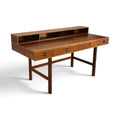
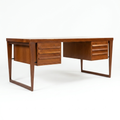
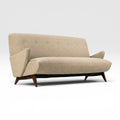
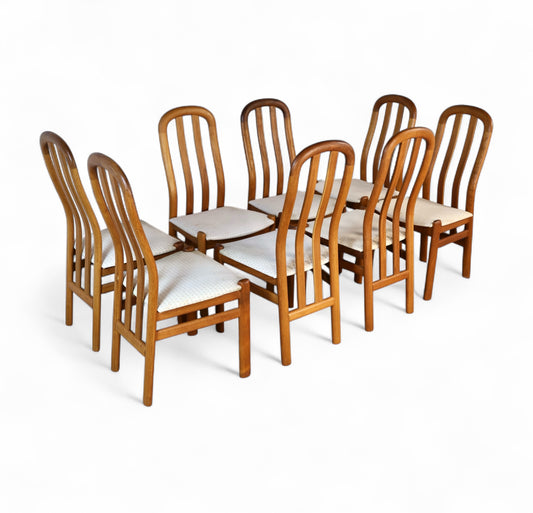
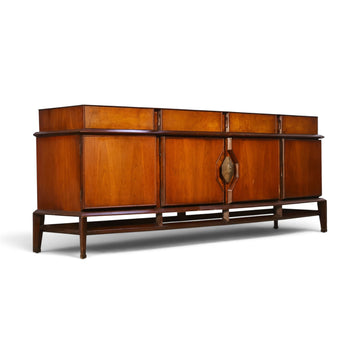
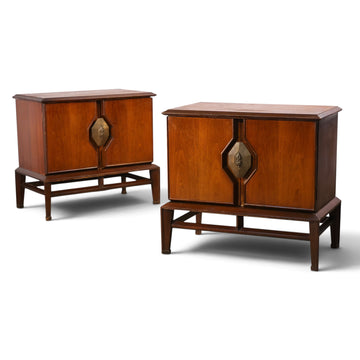
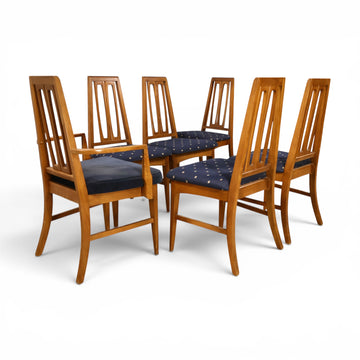
Danish Modern is a design movement that emerged in Denmark in the 1940s and reached its peak influence in the 1950s and 1960s. Characterized by clean lines, organic forms, exceptional craftsmanship, and the thoughtful use of natural materials — especially teak, rosewood, and oak — Danish Modern furniture represents a uniquely Scandinavian interpretation of mid-century modernism. Unlike the more industrial American approach, Danish Modern prioritized the human relationship with objects: furniture should be beautiful but above all comfortable, functional, and built to last generations. Today, authentic Danish Modern pieces are among the most coveted collectibles in the vintage furniture market.
Key Characteristics of Danish Modern Furniture
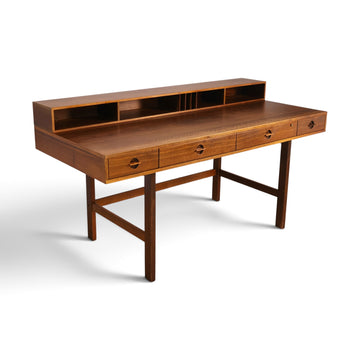
Several hallmarks define genuine Danish Modern furniture. First is the primacy of wood: Danish craftsmen elevated teak and rosewood to a near-sacred material, exploiting their grain and warmth in ways that synthetics could never replicate. Second is organic form — chairs curve to cradle the human body, table legs taper elegantly, and edges are softened. Third is joinery excellence: Danish pieces use traditional mortise-and-tenon, finger joints, and hand-fitted hardware that hold together decades later. Fourth is restraint: Danish designers avoided ornament, believing that form, proportion, and material were sufficient. Finally, there is the democratic ideal — many Danish Modern pieces were designed for mass production while maintaining handcraft quality standards.
The Great Danish Modern Designers
Hans Wegner (1914–2007)
Hans Wegner is arguably the greatest chair designer of the 20th century. His output was extraordinary: over 500 chair designs across a 60-year career. His most celebrated pieces include the Round Chair (1949, nicknamed "The Chair" after JFK sat in it during the 1960 presidential debate), the Wishbone Chair (CH24, 1950), the Shell Chair (CH07, 1963), and the Valet Chair (PP250, 1953). Wegner worked primarily with the Johannes Hansen and PP Møbler workshops. Authentic Wegner pieces carry specific maker's marks and construction signatures. Read our full Hans Wegner & Danish Modern Furniture Guide for authentication details.
Arne Jacobsen (1902–1971)
Arne Jacobsen was an architect who approached furniture design with the same sculptural rigor he brought to buildings. His most iconic pieces — the Ant Chair (1952), the Series 7 Chair (1955), and the Egg Chair and Swan Chair (1958, designed for the SAS Royal Hotel) — are produced by Fritz Hansen and remain in continuous production. Vintage examples from Jacobsen's lifetime are identifiable by earlier Fritz Hansen labels and construction details. The Egg and Swan chairs in particular have become symbols of mid-century Danish design. Read our Arne Jacobsen & Danish Modern Design guide for more.
Finn Juhl (1912–1989)
Finn Juhl was the most sculptural of the Danish Modern masters, creating chairs that seemed to float — upholstered elements separated from their frames in a way that had never been done before. His Chieftain Chair (1949), Baker Sofa, and Pelican Chair are among the masterpieces of 20th-century furniture design. Originally produced by cabinetmaker Niels Vodder in very limited quantities, authentic vintage Juhl pieces are exceptionally rare and command museum-level prices. One Collection now reproduces some designs with Juhl's estate authorization.
Børge Mogensen (1914–1972)
Where Wegner designed chairs and Jacobsen designed icons, Børge Mogensen designed for life. His work emphasized honesty, durability, and simplicity. The Spanish Chair (1958), the Hunting Chair (1950), and his extensive range of shelving systems remain functional favorites. Mogensen was deeply influenced by Shaker furniture and American farm traditions, and his pieces have a directness that sets them apart from more lyrical Danish contemporaries. Vintage Mogensen is produced by Fredericia and other Danish manufacturers.
Jens Risom (1916–2016)
Danish-born but American-based, Jens Risom brought Danish design sensibility to the American market. His collaboration with Knoll in the early 1940s produced some of the first Scandinavian-influenced pieces for American consumers, including the now-iconic Risom Lounge Chair with its webbing seat. He later founded his own company, Jens Risom Design. Read our Jens Risom Furniture Collector's Guide for authentication details and his most collectible works.
Poul Kjærholm (1929–1980)
Poul Kjærholm was the outlier among Danish Modern designers: he preferred steel to wood, creating furniture that married Danish craft values with Bauhaus industrial precision. His PK22 lounge chair (1956), PK80 daybed, and PK61 coffee table for E. Kold Christensen are among the most refined pieces of the entire movement. Fritz Hansen now holds the rights to his designs. Vintage Kjærholm pieces with E. Kold Christensen marks are the most collectible.
What to Look For When Buying Danish Modern
Authenticating Danish Modern furniture requires attention to several factors. First, look for maker's marks: nearly all significant Danish Modern pieces carry stamps, labels, or branded marks from their original manufacturers (Johannes Hansen, Fritz Hansen, E. Kold Christensen, Fredericia, etc.). Second, examine the construction: authentic pieces use hand-fitted joinery, not particle board or MDF. Third, assess the wood: real teak has a distinctive grain and oils that mass-market reproductions cannot replicate. Fourth, check hardware: period-correct Danish hardware is typically solid brass or chromed steel, properly fitted. For a comprehensive guide to authentication, see our article on authenticating vintage MCM furniture and our guide to identifying furniture makers' marks.
Scandinavian Modern vs American Modern
Danish Modern exists within a broader Scandinavian design tradition that includes Swedish, Norwegian, and Finnish design. How does it compare to American mid-century modern? Danish pieces tend to be more refined, more focused on natural materials, and more committed to handcraft. American MCM (as represented by Herman Miller, Knoll, and domestic makers) leans more toward industrial processes, plastic and aluminum, and a certain optimistic boldness. Neither tradition is superior — they represent different approaches to the same modernist challenge. Our guide to Scandinavian vs American MCM Furniture explores these differences in depth.
Where to Buy Vintage Danish Modern Furniture
The best sources for authentic vintage Danish Modern furniture include specialist Scandinavian design dealers, major auction houses (Rago, Wright, Bukowskis), estate sales in Midwestern and Northeast American cities where Danish imports were popular in the 1950s–60s, and curated online platforms like Chairish, 1stDibs, and specialist dealer sites. At Mod City Madness, we carry carefully vetted vintage mid-century modern furniture — browse our current inventory for available pieces. We also have a dedicated Scandinavian Modern collection worth exploring.
Caring for Danish Modern Furniture
Teak and rosewood, the dominant materials in Danish Modern furniture, require specific care. Both woods benefit from periodic application of teak oil or Danish oil to maintain their richness and prevent drying. Avoid harsh cleaners that strip natural oils. Original upholstery on Danish chairs should be professionally cleaned and, if worn, can often be reupholstered with period-appropriate fabrics — this preserves structure while improving usability. See our complete guide to caring for vintage wood furniture.
Further Reading
- Hans Wegner & Danish Modern Furniture Guide
- Arne Jacobsen & Danish Modern Design
- Jens Risom Furniture Collector's Guide
- Scandinavian vs American MCM Furniture
- How to Authenticate Vintage MCM Furniture
- Vintage Teak Furniture Buyer's Guide
- Shop Vintage Mid-Century Modern Furniture
- Finn Juhl Furniture Collector's Guide
- Børge Mogensen Furniture Collector's Guide
- Mies van der Rohe Furniture Collector's Guide