-
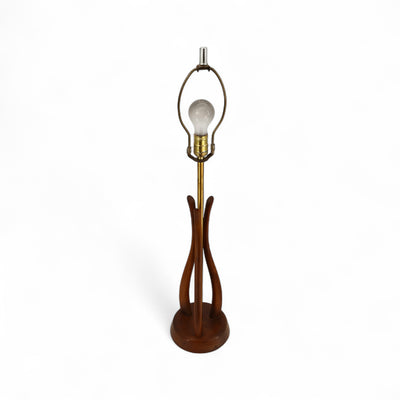
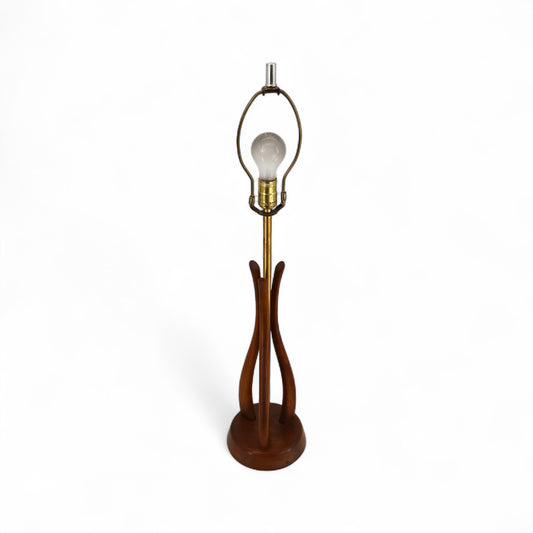
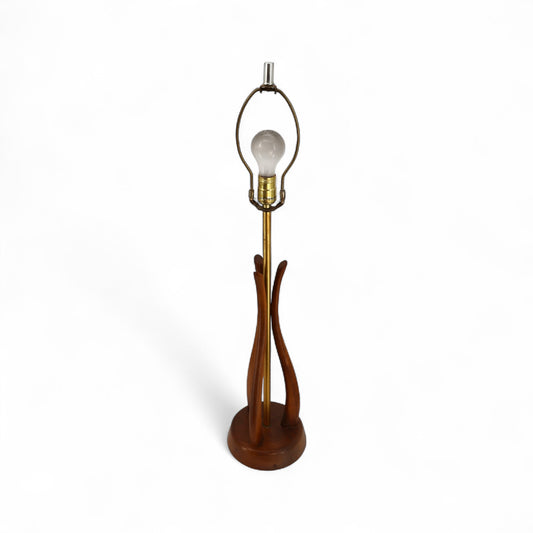
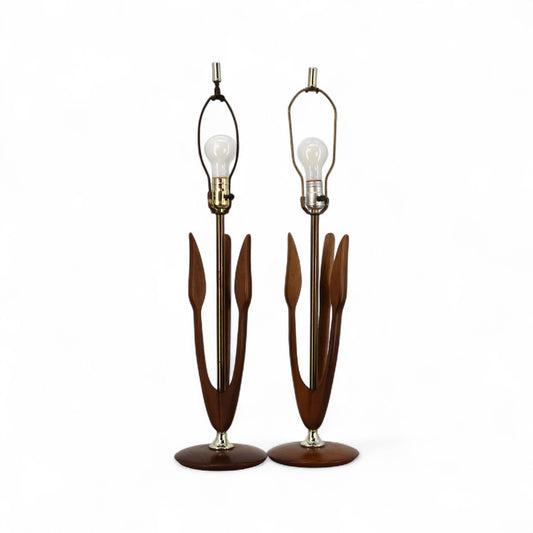
Sculptural Vintage Mid Century Modern Bohemian Blooming Flower Walnut and Brass Table Lamp c. 1960s
Vendor:OtherRegular price $675.00 USDRegular priceUnit price per -
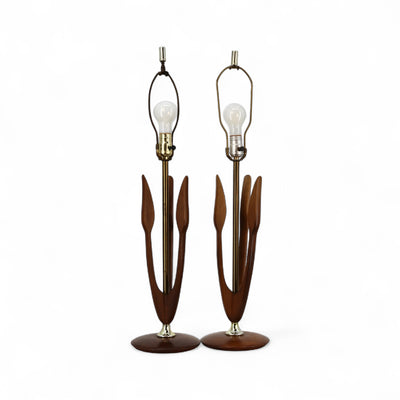
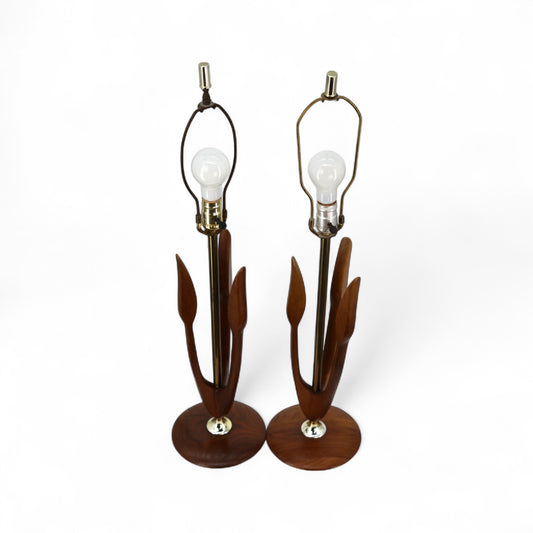
Tulip Petal Sculptural Vintage Mid Century Modern Walnut and Brass Pair of Table Lamps c. 1960s
Vendor:OtherRegular price $975.00 USDRegular priceUnit price per -
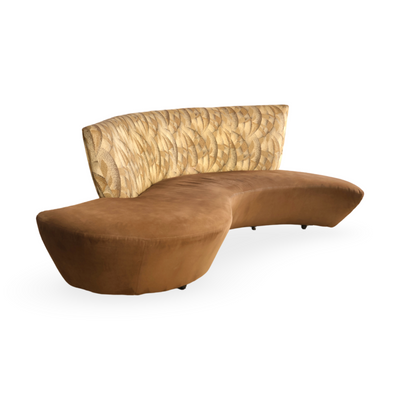
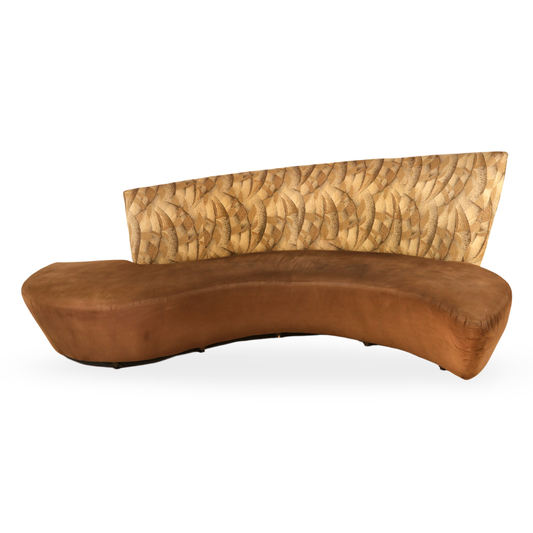
Vladimir Kagan Bilbao Vintage Post Modern Sculptural Sofa c. 1980s
Vendor:Vladimir KaganRegular price $2,975.00 USDRegular priceUnit price per -
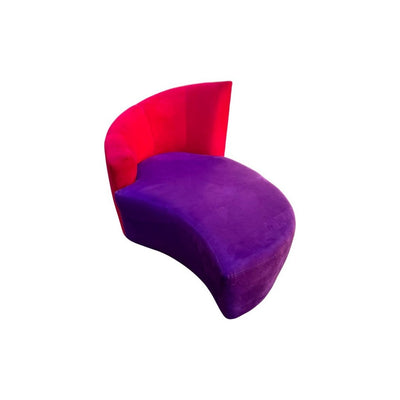
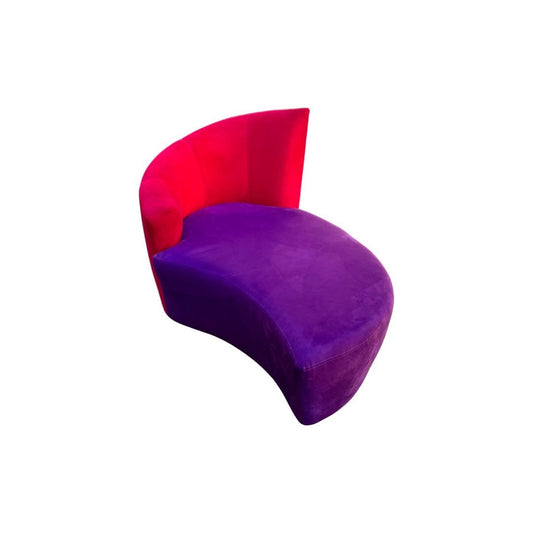
Vladimir Kagan Red and Purple Sculptural Bilbao Swivel Chaise Lounge c. 1990s
Vendor:Vladimir KaganRegular price $4,995.00 USDRegular priceUnit price per -
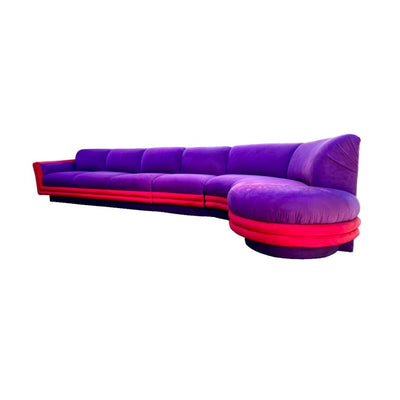
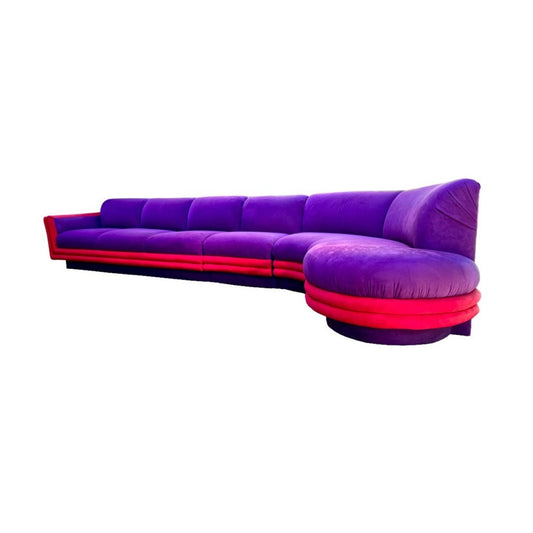
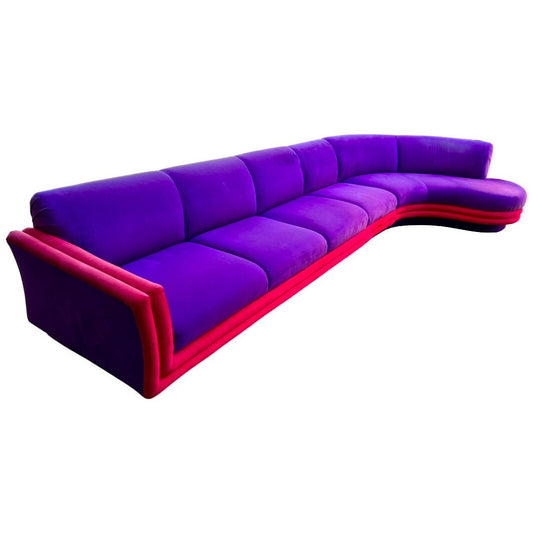
Vladimir Kagan for Weiman Red and Purple 3 Piece Sculptural Sectional Sofa C. 1990s
Vendor:Vladimir KaganRegular price $9,795.00 USDRegular priceUnit price per -
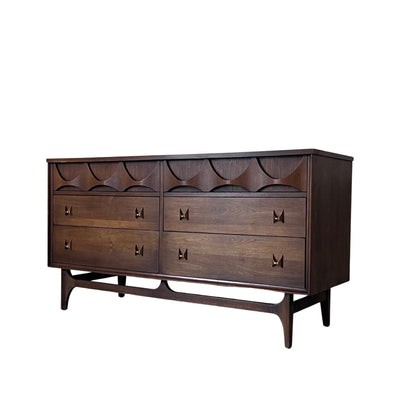
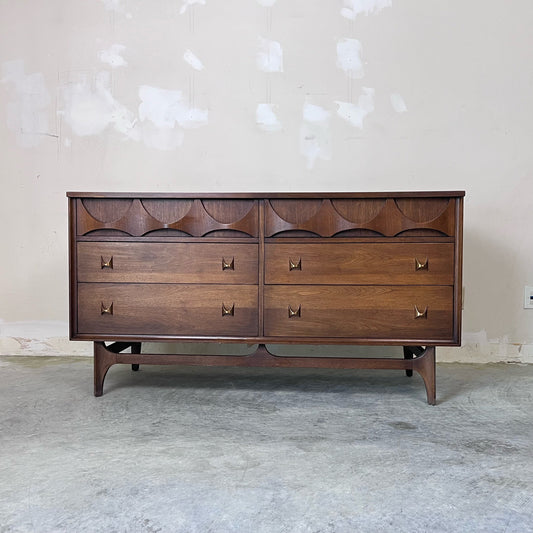
Brasilia by Broyhill Premier Sculptural 6 Drawer Dresser Circa 1960’s
Vendor:BroyhillRegular price $2,695.00 USDRegular priceUnit price per



Sculptural Mid Century Modern Furniture
Sculptural mid-century modern furniture takes the period commitment to organic form to its most ambitious conclusion. While much MCM furniture pursued clean geometry and rational structure, the sculptural tradition prioritized flowing curves, asymmetric forms, and bases that function as works of art independent of their practical purpose.
The leading figures in sculptural mid-century furniture — Adrian Pearsall, Vladimir Kagan, Harvey Probber, and Paul Evans — all pursued a version of the same idea: that furniture could carry the expressive weight of sculpture without sacrificing comfort or function. Pearsall starburst walnut bases, Kagan sinuous sofa frames, and Evans brutalist bronze and resin surfaces all express this conviction.
Sculptural furniture from this period is defined by its handcraft quality. The complex curves and unusual forms that characterize these pieces could not be produced by the same mass-manufacturing methods that served rectangular furniture. Most sculptural MCM pieces were made in small quantities by skilled craftspeople, which is why well-preserved examples remain genuinely scarce today.
At Mod City Mad, our sculptural furniture collection focuses on pieces where form and function are genuinely integrated — not decoration applied to a conventional structure, but structures that are themselves expressive. Each piece is individually assessed for structural integrity and material condition.
If you want furniture that earns the description of art — pieces that hold attention and reward looking — mid-century sculptural design is unmatched.
Frequently Asked Questions About Sculptural Mid-Century Furniture
What is sculptural mid-century modern furniture?
Sculptural MCM furniture prioritizes artistic, three-dimensional form over strict functionalism. These pieces blur the line between furniture and art — think Vladimir Kagan's sinuous free-form sofas, Adrian Pearsall's organic lounge chairs, or Paul Evans's heavily textured metal credenzas. Form, material, and visual drama are central concerns.
Which designers are known for sculptural MCM furniture?
Vladimir Kagan, Adrian Pearsall, Paul Evans, and Harvey Probber are the American masters of sculptural MCM furniture. European counterparts include Carlo Mollino in Italy and Finn Juhl in Denmark. These designers prioritized individual artistic expression over mass-production economy.
Is sculptural furniture practical for everyday use?
Yes — despite their artistic ambition, the best sculptural MCM pieces are fully functional. Kagan's sofas are exceptionally comfortable; Pearsall's lounge chairs are among the most livable vintage seating available. The sculptural quality refers to the visual and spatial presence of these pieces, not any sacrifice of utility.
How do I incorporate sculptural furniture without overwhelming a room?
One major sculptural piece per room is usually ideal. Let it be the focal point and keep surrounding furniture lower-key. A sculptural sofa or credenza works best against a plain wall that acts as a backdrop. Avoid competing patterns or equally dramatic furniture that fights for visual dominance.
What makes sculptural vintage furniture valuable?
Scarcity, designer attribution, the complexity and quality of execution, and condition are the primary value drivers for sculptural vintage furniture. Pieces that were labor-intensive to produce in limited quantities — like hand-sculpted Paul Evans credenzas or custom Kagan sofas — are particularly sought after.