-
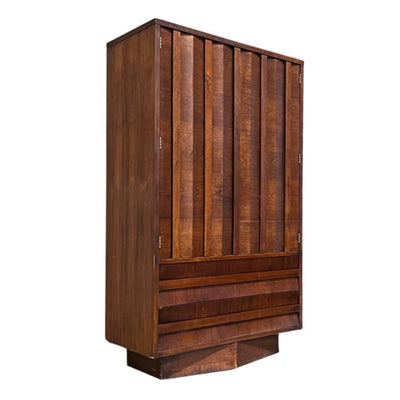
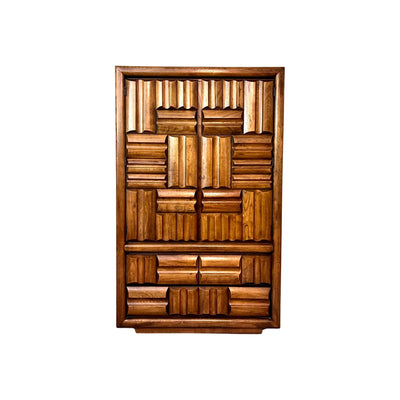
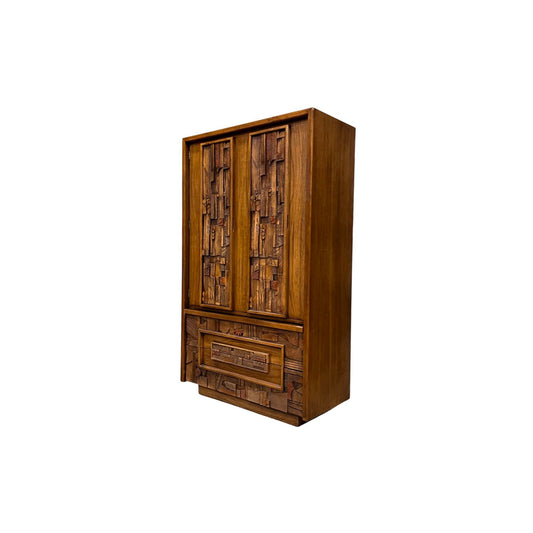
Lane Mid Century Modern Vintage Brutalist Armoire c. 1970s
Vendor:LaneRegular price From $2,075.00 USDRegular priceUnit price per -
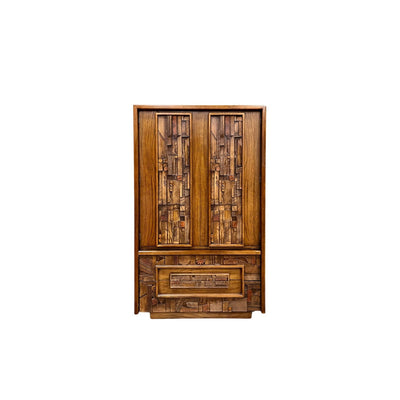
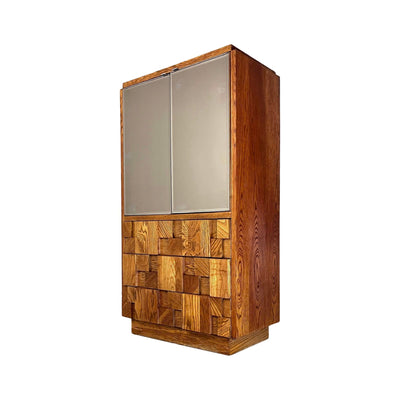
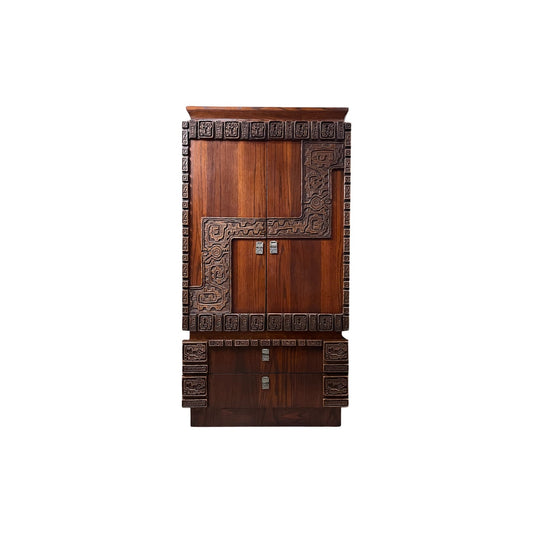
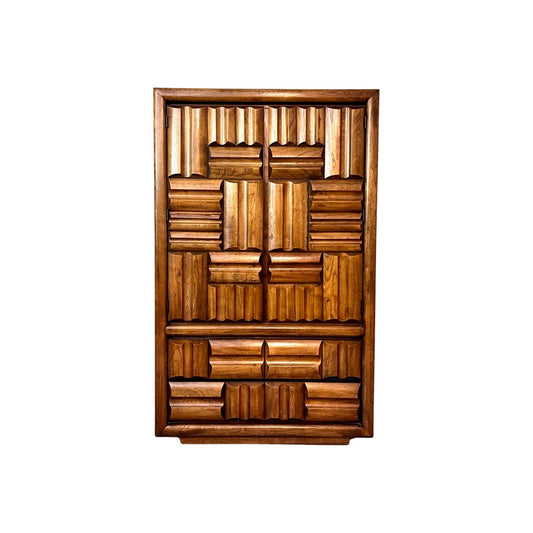
Lane Pueblo Brutalist Mid Century Modern Vintage Armoire c. 1970s
Vendor:LaneRegular price $2,395.00 USDRegular priceUnit price per -
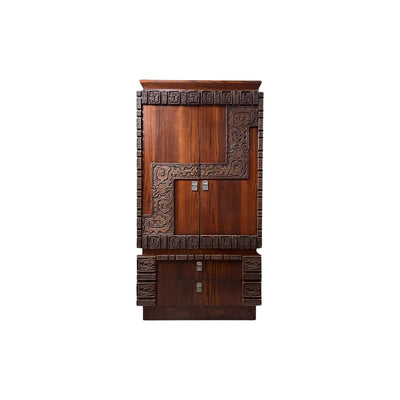
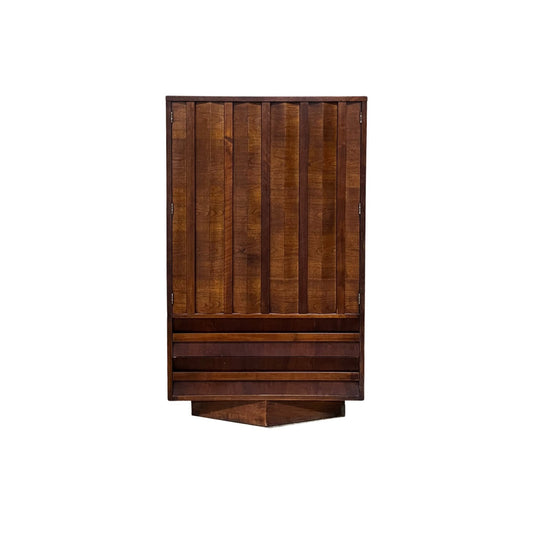
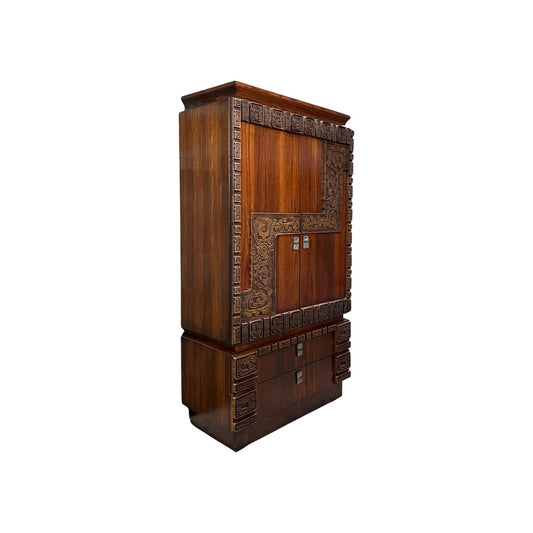
Mid Century Modern Canadian Brutalist Vintage Armoire c. 1970s
Vendor:OtherRegular price $2,895.00 USDRegular priceUnit price per -
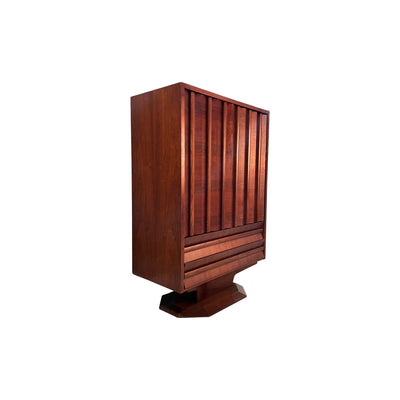
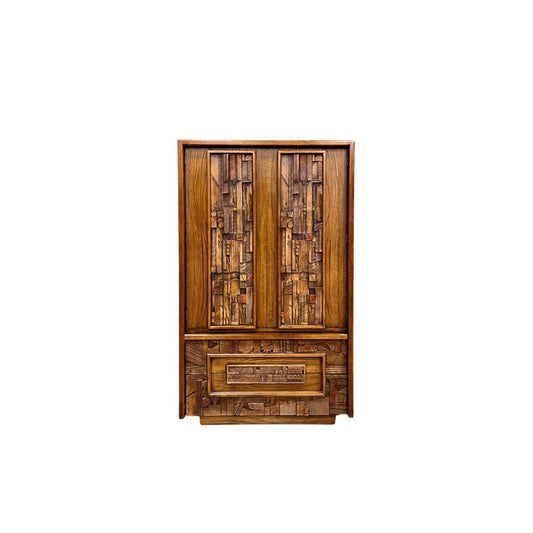
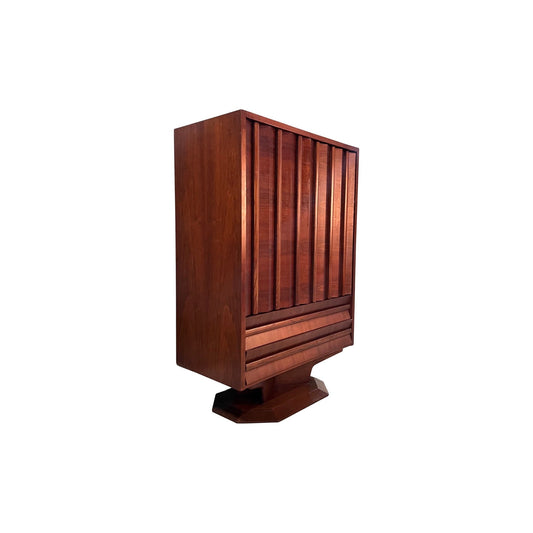
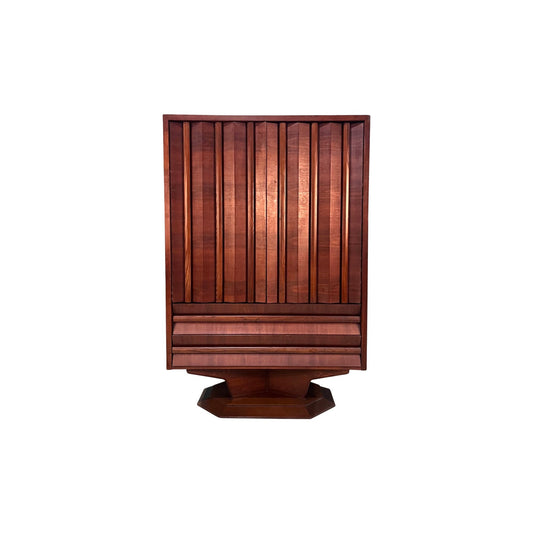
Vintage Mid Century Modern Brutalist Pedestal Highboy Armoire c. 1970s
Vendor:TobagoRegular price $2,495.00 USDRegular priceUnit price per -
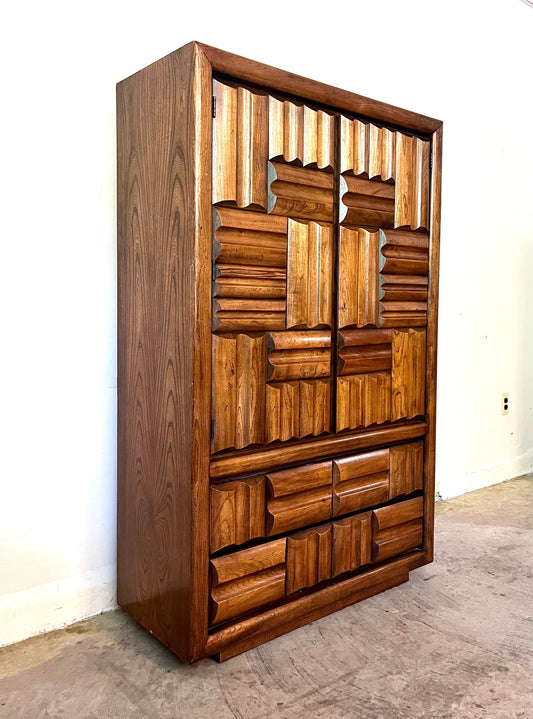
Lane Furniture Mid Century Modern Brutalist Armoire Vintage Tall Dresser
Vendor:LaneRegular price $1,895.00 USDRegular priceUnit price per -
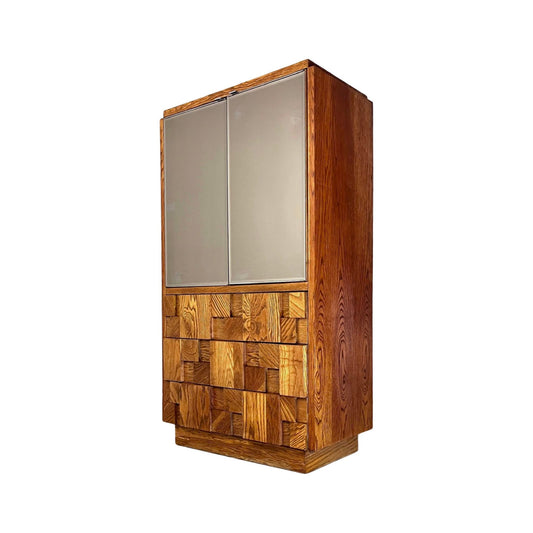
Lane Staccato Oak Brutalist Armoire Mid Century Modern Tall Dresser with Mirror Doors
Vendor:LaneRegular price $1,995.00 USDRegular priceUnit price per

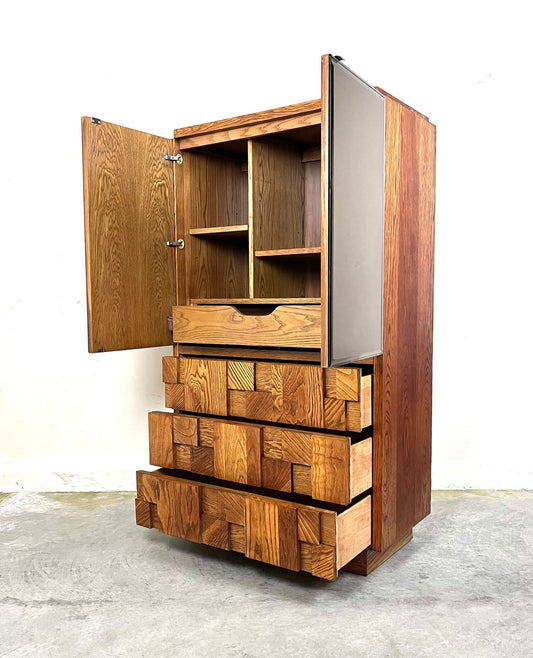
Mid Century Modern Armoires & Wardrobes
Mid-century modern armoires and wardrobes addressed a practical problem with characteristic design elegance. In an era when built-in closets were not yet universal in American homes, the freestanding wardrobe was a genuine necessity — and furniture makers of the 1950s and 1960s produced versions that were as carefully designed as any other piece in the room.
Vintage MCM armoires typically feature tall case construction in walnut or teak veneer, with full-length doors — either hinged or sliding — that open to reveal a combination of hanging space, shelving, and often a drawer tier below. Proportions are generous: most vintage armoires are 72 to 84 inches tall and 40 to 60 inches wide, with depth enough for clothing on hangers. Legs are typically tapered, maintaining the visual lightness that defines the period.
The most collectible mid-century armoires come from the same manufacturers associated with quality case goods: Lane, Drexel, Heywood-Wakefield, and Scandinavian makers who produced particularly refined versions in teak. Hardware tends toward simple bar or bail pulls in brass or chrome, with quality hinges and magnetic catches that still function reliably.
At Mod City Mad, our vintage armoires and wardrobes are assessed for door and drawer function, interior condition, veneer quality, and structural soundness before listing. We carry both as-is pieces and restored examples with fresh hardware and refinished surfaces.
A vintage mid-century armoire solves the storage problem beautifully — more space than a modern wardrobe, better design than almost anything built since, and the genuine material quality of the mid-century era.
Frequently Asked Questions About Vintage MCM Armoires
What is a mid-century modern armoire?
MCM armoires are freestanding wardrobe or storage cabinets produced primarily between 1945 and 1975. They typically feature walnut or teak veneer, clean rectilinear forms, sliding or hinged doors with simple hardware, and tapered legs that give the heavy case piece a light, floating appearance.
What are vintage armoires typically used for today?
While originally designed for clothing storage in homes without built-in closets, vintage MCM armoires are today used for a wide range of purposes: bar cabinets, entertainment centers, office storage, linen storage, or as statement pieces displaying objects behind glass doors. Their generous interior space makes them highly versatile.
How do I move a vintage mid-century armoire safely?
Always remove shelves and doors before moving. Wrap the case in moving blankets and use a dolly for any distance. Armoires are top-heavy — always have at least two people and keep the piece tilted back slightly when moving to prevent tipping. Reassemble doors after the piece is in its final position.
What should I look for when buying a vintage armoire?
Check the veneer carefully — all surfaces should lie flat with no lifting at edges or corners. Open all doors and drawers; hinges should work smoothly and doors should hang straight. Verify the interior is clean and free of moisture damage. Check that the piece sits level and feels structurally solid.
Are vintage armoires worth more than modern ones?
Quality vintage MCM armoires in solid walnut or teak are generally far superior in construction to comparable new pieces. The solid wood secondary construction, quality veneer work, and durability of mid-century American manufacturing means these pieces routinely outlast modern equivalents and often hold or increase in value over time.