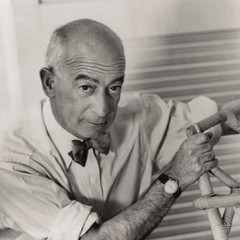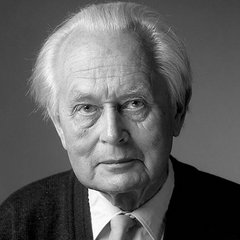
Vladimir Kagan
Vladimir Kagan is one of the towering figures of twentieth-century furniture design, celebrated for sinuous organic forms that redefined the possibilities of modern seating. His serpentine sofas, cloud-like silhouettes, and biomorphic sculptural pieces represent some of the most coveted and recognizable designs in the history of American modernism.
Designer Biography
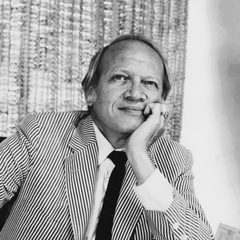
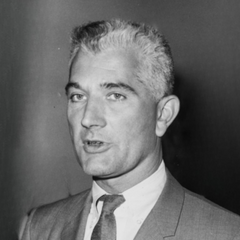
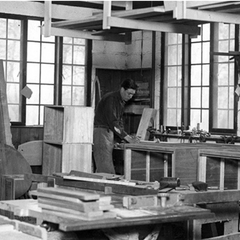
Born in Worms, Germany in 1927, Vladimir Kagan emigrated to the United States as a young boy, fleeing the rise of Nazism. His father, a master cabinetmaker, instilled in him a reverence for craftsmanship that would define his career. After studying architecture at Columbia University, Kagan opened his first shop on East 65th Street in New York City in 1947, launching a design practice that would span nearly seven decades.
Kagan's early work drew from organic modernism and biomorphic sculpture, producing furniture with flowing curves that rejected the rigid geometry favored by many of his contemporaries. His Serpentine sofa, introduced in the 1950s, became an instant icon—its sinuous form suggesting movement and fluidity in a way no previous sofa had achieved. Throughout the following decades, Kagan continued to innovate, creating designs for prestigious clients including Marilyn Monroe, the United Nations, and countless collectors worldwide.
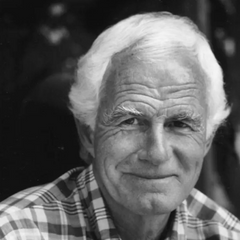
Vladimir Kagan continued designing actively until his passing in 2016 at age 88. His legacy is immense—his work is held in the permanent collections of major museums, and his designs continue to influence contemporary furniture makers. Today, original Kagan pieces are among the most valuable and sought-after examples of American modernist furniture.
"Vladimir Kagan's furniture doesn't sit in a room—it transforms it. His organic forms bring sculptural art and functional comfort together in ways that feel as revolutionary today as they did seventy years ago.
— Mod City Mad
Iconic Designs
Serpentine Sofa
Perhaps the most iconic sofa design of the twentieth century, the Serpentine features a continuous flowing curve that undulates gracefully across its length. Available in various configurations, from compact two-seat models to dramatic room-defining compositions, the Serpentine embodies Kagan's philosophy of organic modernism. Original examples command $8,000–$50,000+ depending on era, provenance, and condition.
Cloud Sofa
The Cloud sofa represents Kagan's mastery of soft, billowing forms. With its generous proportions and enveloping silhouette, the Cloud appears to float—inviting both visual appreciation and physical comfort. These designs typically range from $5,000–$25,000, with early production examples commanding higher prices.
Barrel Chairs & Swivel Seating
Kagan designed a variety of barrel-back and swivel chairs that brought his organic sensibility to compact seating forms. Featuring sculpted walnut bases, curved backs, and sophisticated proportions, these chairs serve as accessible entry points to Kagan collecting. Values range from $2,000–$10,000 depending on model and condition.
Sculpted Walnut Tables & Case Goods
Beyond seating, Kagan created extraordinary tables, credenzas, and shelving systems in sculpted walnut. His coffee tables often feature biomorphic bases with glass tops, while his case goods showcase dramatic wood grain and flowing lines. Table values range from $2,000–$15,000, with large case goods commanding $5,000–$30,000+.
Omnibus Collection
The Omnibus modular seating system demonstrated Kagan's innovative approach to flexible living. Comprising curved sectional elements that could be configured in countless arrangements, Omnibus pieces remain highly functional and visually striking. Complete configurations range from $5,000–$20,000+.
Design Signatures & Materials
Vladimir Kagan's design vocabulary is defined by organic curves, biomorphic forms, and a masterful integration of sculptural bases with luxurious upholstery. His preferred wood was American walnut, which he shaped into flowing pedestal bases, tapered legs, and dramatic structural elements. Kagan also worked extensively with lucite, chrome, and brass, incorporating these materials into bases and structural components that added visual lightness to substantial seating forms.
Construction quality in Kagan's workshop was exceptional. Frames were built from kiln-dried hardwoods with precision joinery. Upholstery was executed to the highest standards, with careful attention to the sculptural profile of each piece. Many Kagan designs were produced in limited quantities or as custom commissions, contributing to their rarity and collector value.
Collecting & Authentication
Authenticating Vladimir Kagan pieces requires careful attention to provenance, construction details, and design characteristics. Early pieces from the 1950s and 1960s may bear labels from Kagan-Dreyfuss (his partnership with Hugo Dreyfuss) or Vladimir Kagan Designs. Later production pieces often carry Kagan labels with model numbers. The Vladimir Kagan Design Group maintained detailed records, and published references can confirm specific attributions.
When evaluating condition, examine walnut bases for repairs or refinishing, upholstery for structural integrity, and any lucite or metal components for damage. Original upholstery is valued when in good condition, though professional reupholstery does not significantly impact value. Provenance documentation—including original purchase receipts, gallery records, or exhibition history—can substantially enhance value for important pieces.
Our pieces are sold as-is in their authentic vintage condition. For collectors seeking restored examples, we offer optional professional restoration through our in-house workshop. All pieces ship worldwide with insurance.
Frequently Asked Questions
How do I identify authentic Vladimir Kagan furniture?
Look for labels from Vladimir Kagan Designs or Kagan-Dreyfuss on the underside of pieces. Construction quality, sculpted walnut bases, and organic flowing forms are reliable visual identifiers. Published catalogs and the Kagan Design Group archives can confirm specific attributions for important pieces.
What is the typical price range for Vladimir Kagan pieces?
Pricing varies dramatically by design and provenance. Barrel chairs start around $2,000–$5,000, while Serpentine sofas range from $8,000–$50,000+. Rare early production pieces and documented commissions can exceed these ranges significantly at auction.
What makes Vladimir Kagan furniture so valuable?
Kagan's designs combine artistic vision with exceptional craftsmanship. Limited production quantities, museum representation, celebrity provenance, and growing global recognition of his contributions to modernist design all support premium valuations. His organic forms remain uniquely recognizable and highly influential.
What is the difference between early and later Kagan production?
Early Kagan pieces from the 1950s–1970s were produced in smaller quantities, often as custom commissions, and command the highest prices. Later productions—including licensed reissues—are more accessible but carry different collector valuations. Labels and construction details help distinguish production eras.
Are Vladimir Kagan pieces investment-grade?
Kagan's work has appreciated dramatically over the past two decades. His Serpentine sofas and early sculptural pieces have set auction records repeatedly. Museum exhibitions, scholarly publications, and growing international demand continue to drive valuations upward across his body of work.
Explore Related Designers
-
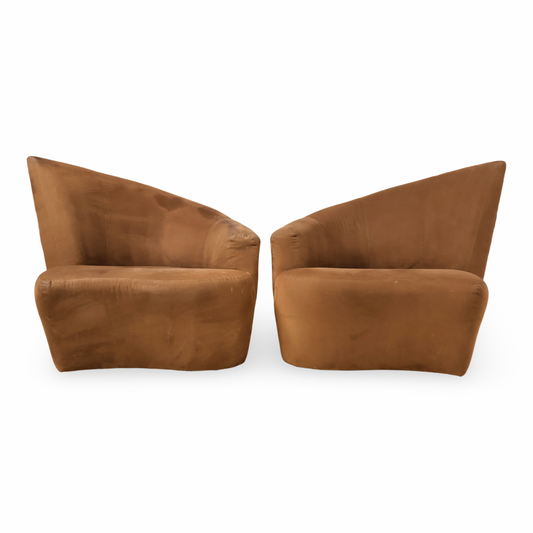
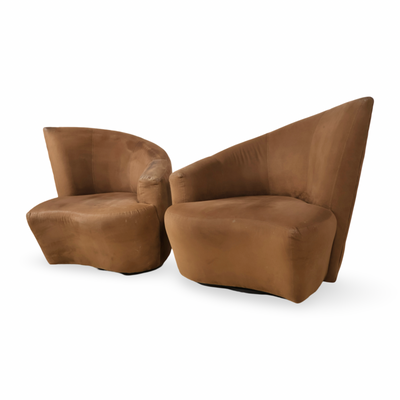
Vladimir Kagan Bilbao Pair of Post Modern Swivel Lounge Chairs c. 1980s
Vendor:Vladimir KaganRegular price $2,975.00 USDRegular priceUnit price per -
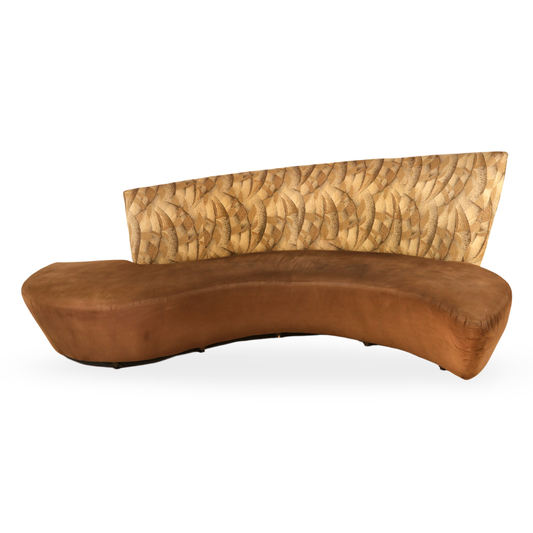
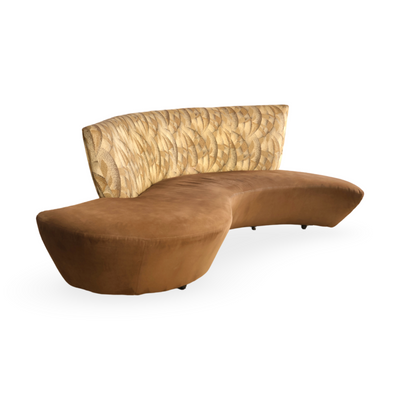
Vladimir Kagan Bilbao Vintage Post Modern Sculptural Sofa c. 1980s
Vendor:Vladimir KaganRegular price $2,975.00 USDRegular priceUnit price per -
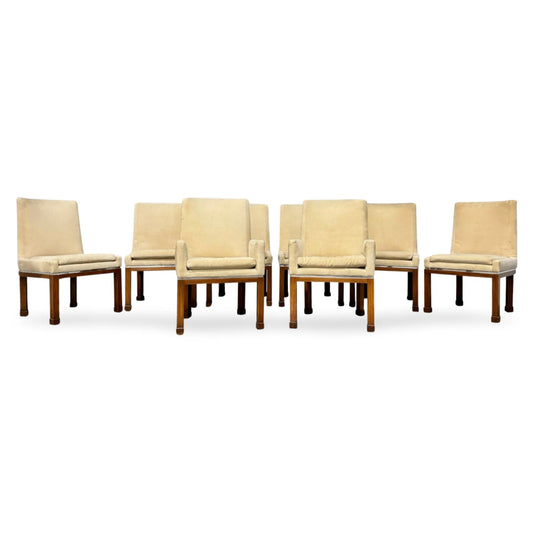
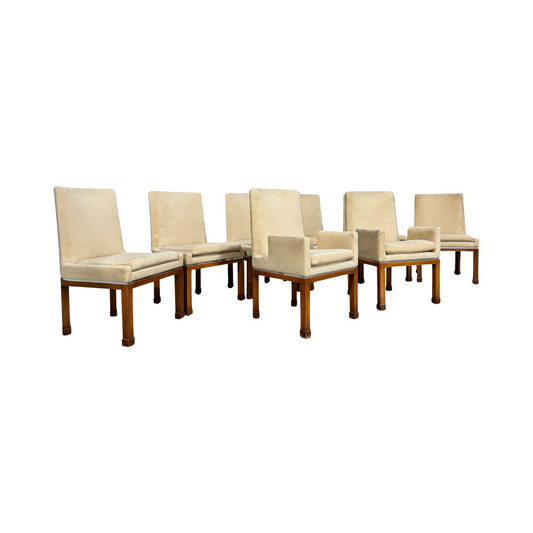
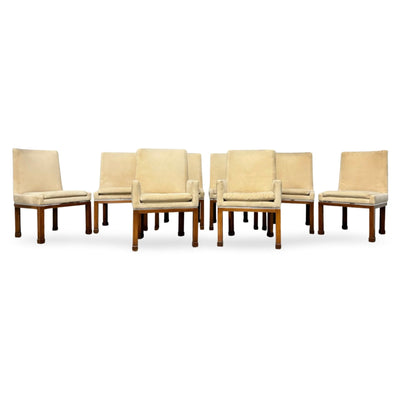
Vladimir Kagan Vintage Postmodern Handmade & Signed Dining Chairs, Set Of Eight c. 1970s
Vendor:Vladimir KaganRegular price $5,975.00 USDRegular priceUnit price per